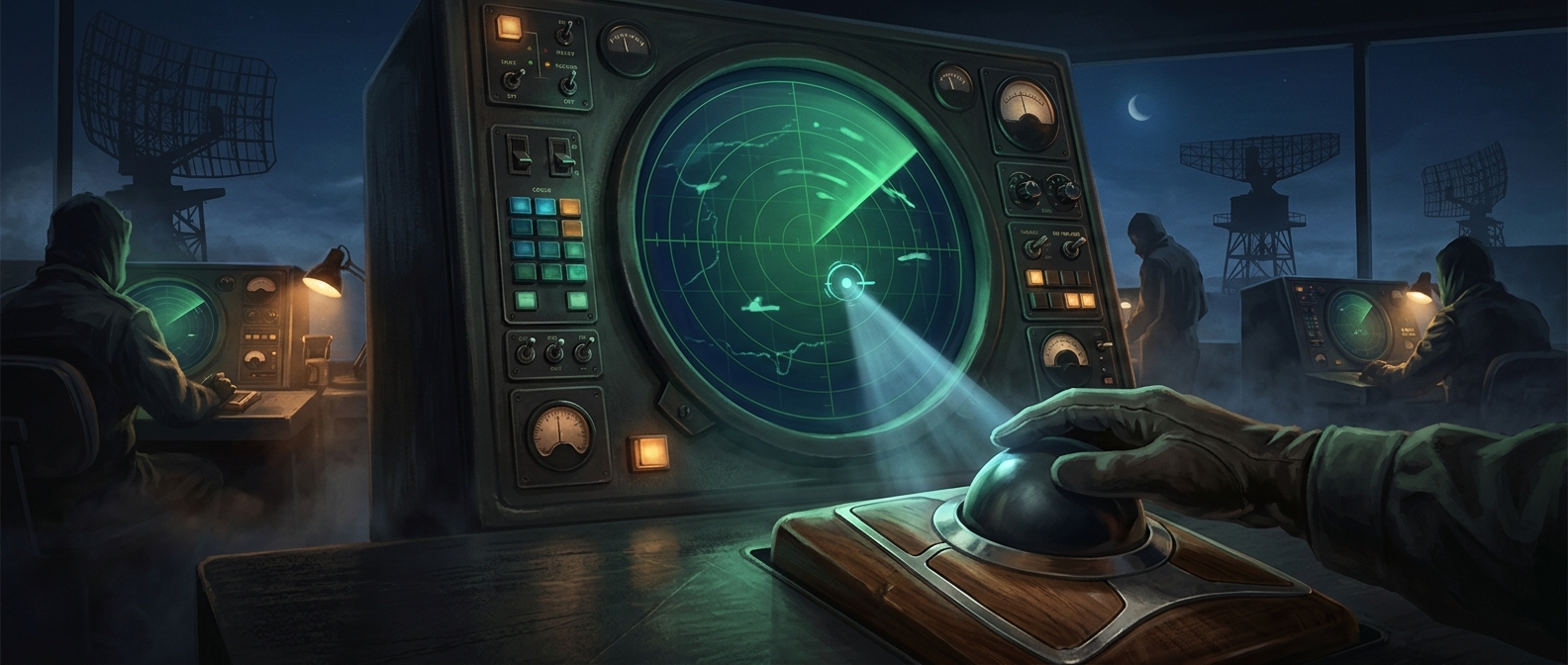
A bowling ball became a radar control
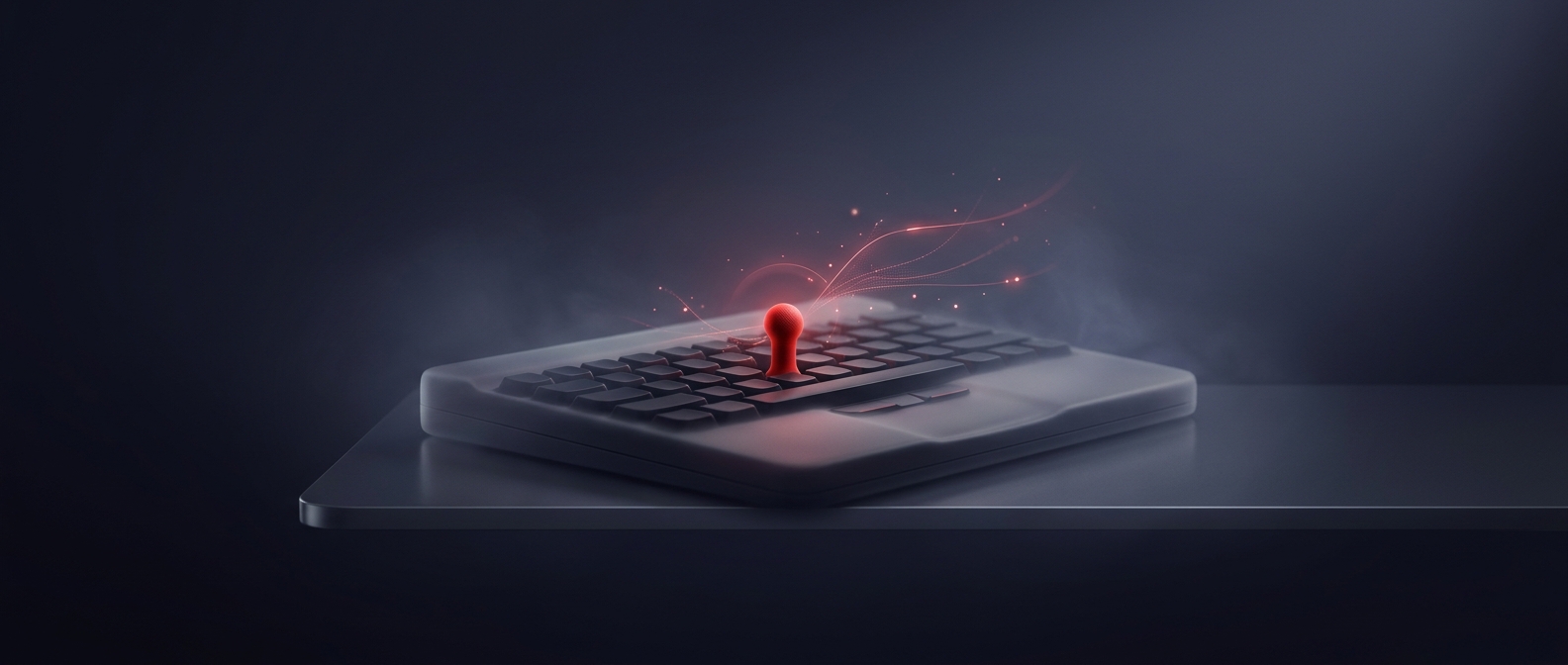
In 1952, Canadian Navy engineers working on a system called DATAR needed a practical way for an operator to mark a target’s position on a screen. Their solution was a trackball: a five-pin bowling ball mounted in hardware so it could be rolled by hand while staying in place.
The operator did not move a mouse across a desk. Instead, the ball itself turned against internal rollers. Those rollers detected movement in two directions—left and right, up and down—and converted it into corresponding movement on the display. The same basic idea survives in modern trackballs, where a stationary device lets a user control an on-screen pointer by rotating a ball.
Why a trackball suited the job
Radar operators needed to work with changing positions, not simply watch a screen. A hand-controlled ball offered a direct way to enter or adjust a target’s location without requiring a large moving surface. That mattered in a cramped shipboard setting, where equipment and operators had to fit into a limited space.
DATAR was designed to help ships share information about detected targets. The trackball was therefore part of a larger effort to turn radar observations into usable, coordinated data—not a device invented for browsing or office work. Its role was an early example of people controlling computer-like displays by moving a physical object and translating that motion into screen coordinates.
The memorable part is also the practical one: a piece of bowling equipment became an input device because the Navy needed a compact, intuitive way to place targets on a radar display.