Why steel wears a tin name
Steel gives a can the stiffness to hold its shape through filling, stacking, and shipping. But its iron can react with oxygen and moisture, gradually forming rust. Tin resists corrosion much better in ordinary storage conditions, so a very thin coating can shield the steel from the contents and the surrounding air without making the whole container out of tin.
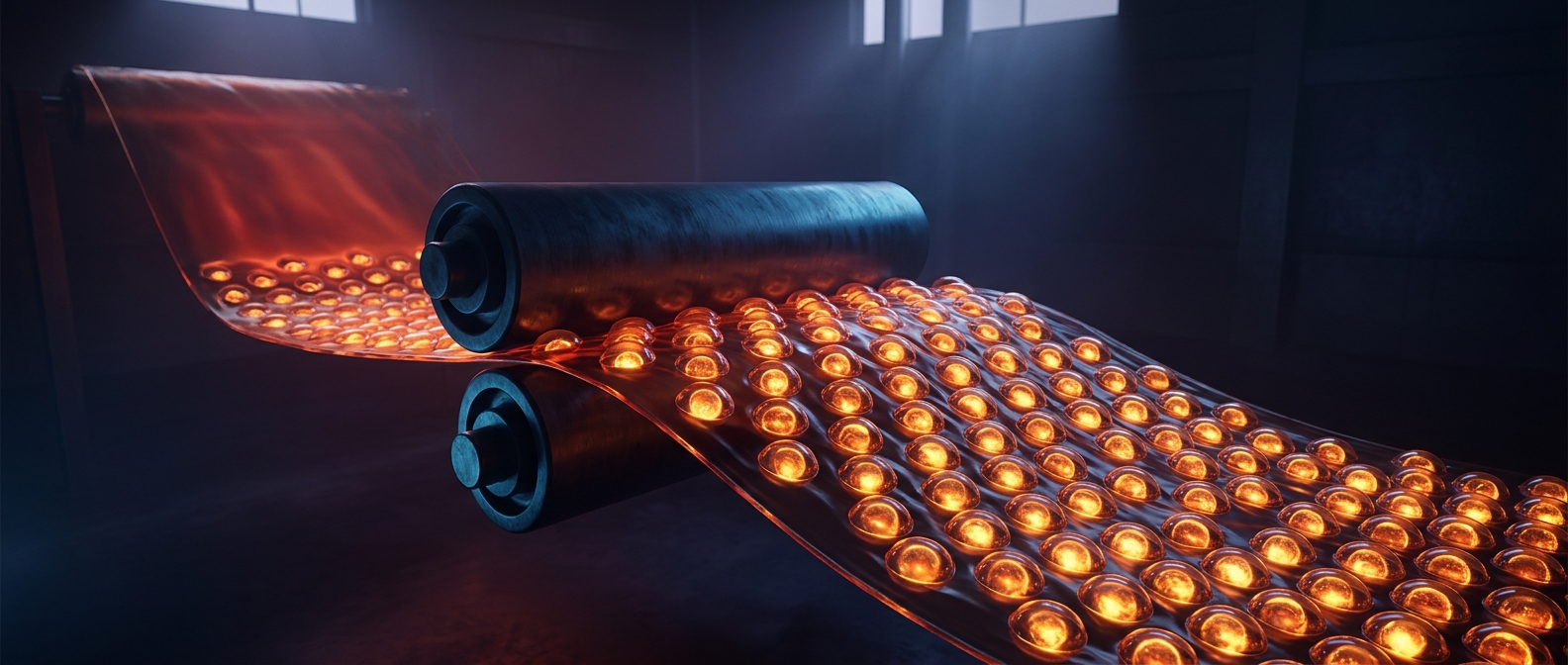
That coating is applied as a thin metallic layer, commonly by electroplating: an electric current helps deposit tin onto the steel sheet. The sheet is then cut and formed into can parts. The challenge is keeping the protective layer continuous as the metal is bent and joined; a damaged spot can expose the steel underneath.
A barrier with a practical tradeoff
Tin is not just a decorative surface. By separating steel from food and moisture, it helps prevent corrosion that could weaken the package or affect what is inside. The steel beneath does the structural work, while the tin uses far less material than a solid-tin container would require.
The familiar name stuck because tin is the visible, protective ingredient, even though steel makes up most of the can. It is a small example of packaging engineering: put an expensive, corrosion-resistant material where it is useful, and rely on a stronger, cheaper material for the bulk of the job.