stackyFACTS
Technology

Emojis began as a sales pitch for pagers

HERE’S THE INTERESTING PART

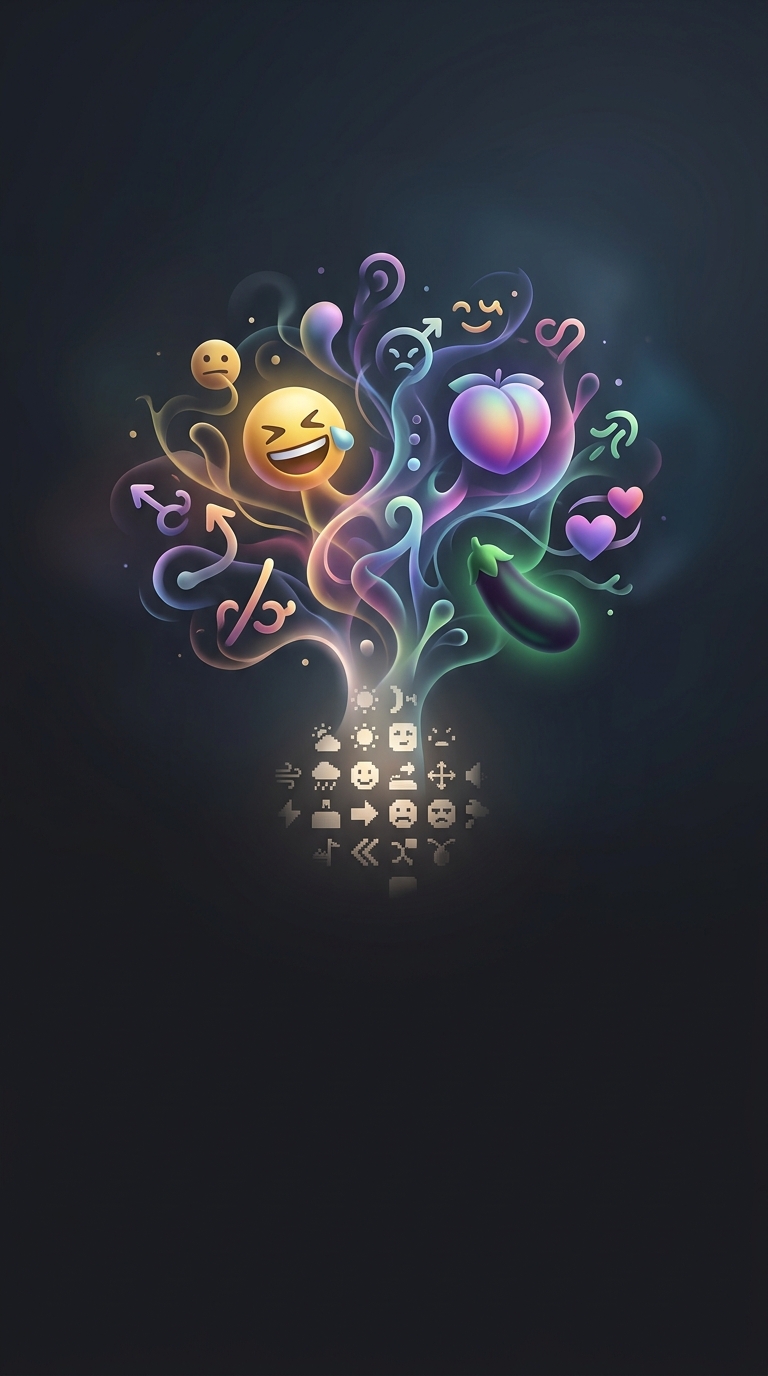
Your ability to send a laughing face to your friends stems from archaic corporate communication. The first standardized set of digital expressions was created in the late nineties specifically to sell pagers to Japanese teenagers, proving that human emotion has always been secondary to moving electronic inventory.
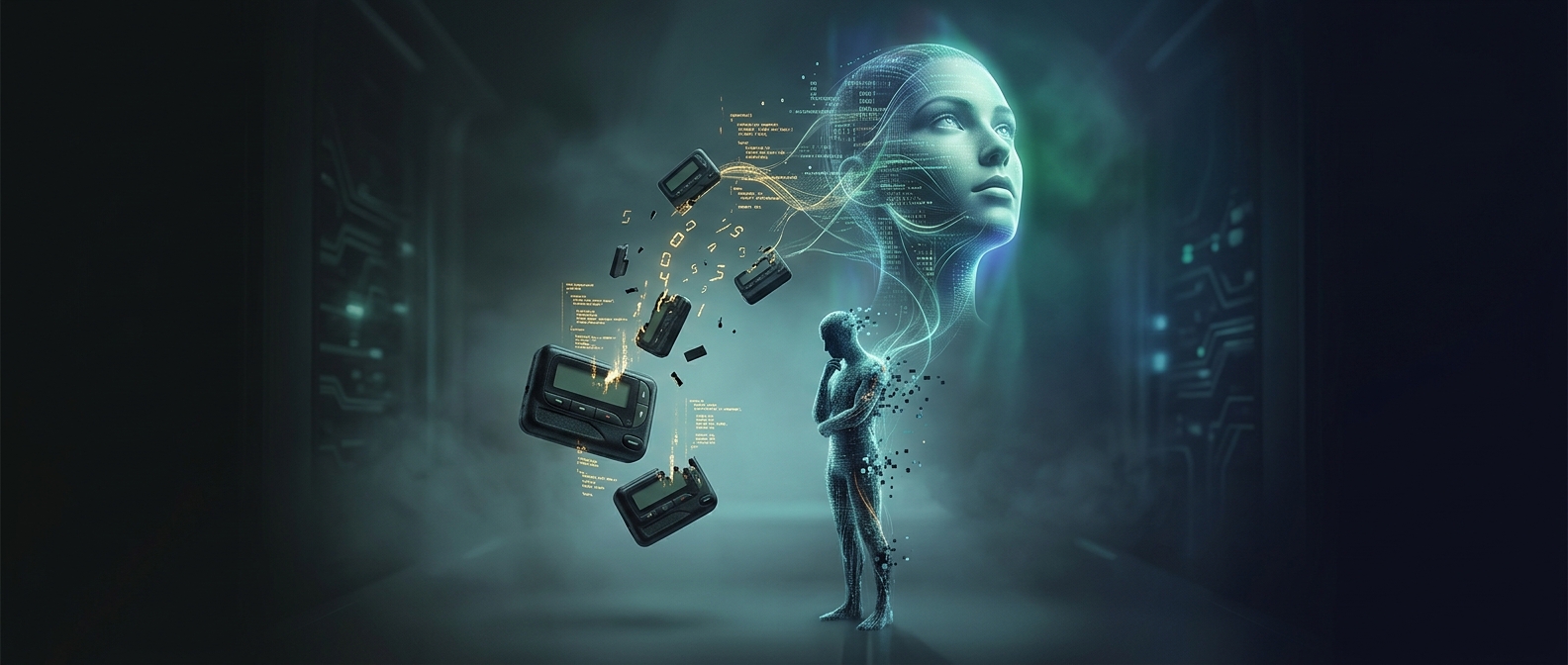
Emojis began as a sales pitch for pagers
STACKY / Technology
One discovery leads to another.

Keep exploring facts in this topic.

Technology →


STACKY FOR IPHONE

A bigger world.
One discovery
at a time.

Keep discovering with Stacky. Interesting facts in an app that is always within reach.

Download on the App Store
ONE MORE DISCOVERY?

Keep exploring

All in this topic →
Why :-) was invented
Technology

Why :-) was invented

The entire concept of relying on little yellow faces to convey human emotion started because scientists lack a sense of humor. In 1982, computer scientist…

Discover more
Emoji has nothing to do with emotion
Technology

Emoji has nothing to do with emotion

You thought it was just a cute abbreviation for emotion? Nope. It’s purely a linguistic coincidence that makes us all look uncultured. In Japanese, 'e' means…

Discover more
Why most texts are read within minutes
Technology

Why most texts are read within minutes

We are officially, hopelessly tethered to our notification chimes. Studies show that over 90% of all text messages are opened and read within just three…

Discover more
Why do your carefully chosen emojis sometimes look completely sarcastic or angry when sent to a friend's phone?
Technology

Why do your carefully chosen emojis sometimes look completely sarcastic or angry when sent to a friend's phone?

Why do your carefully chosen emojis sometimes look completely sarcastic or angry when sent to a friend's phone?

Discover more
Shigetaka Kurita, an interface designer for a Japanese mobile provider, created the original set of one hundred and seventy-six emojis in 1999 on a grid of merely twelve by…
Technology

Shigetaka Kurita, an interface designer for a Japanese mobile provider, created the original set of one hundred and seventy-six emojis in 1999 on a grid of merely twelve by…

Shigetaka Kurita, an interface designer for a Japanese mobile provider, created the original set of one hundred and seventy-six emojis in 1999 on a grid of…

Discover more
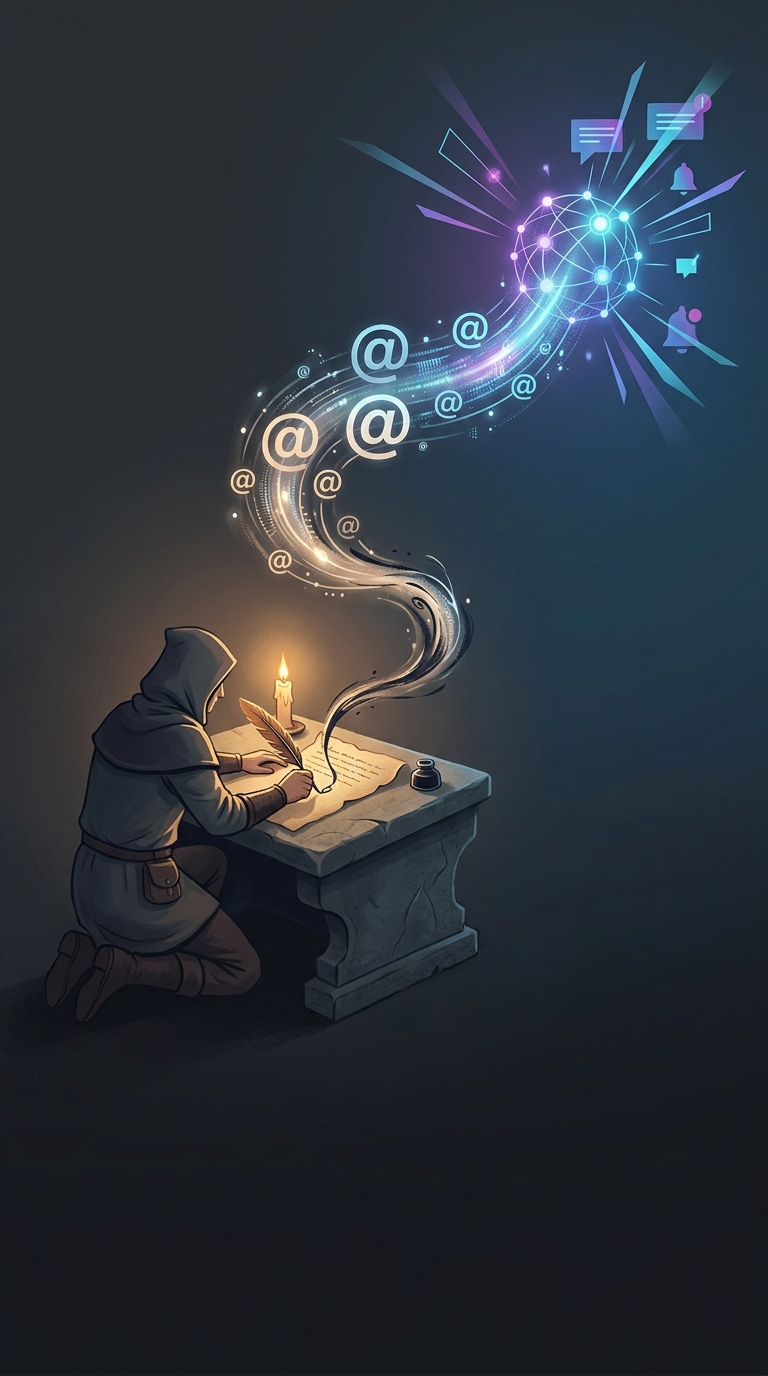
Monks in the Middle Ages originally used the at-symbol as a shorthand abbreviation for the Latin word 'ad', which meant 'toward' or 'at', strictly as a way to save valuable ink…
Technology

Monks in the Middle Ages originally used the at-symbol as a shorthand abbreviation for the Latin word 'ad', which meant 'toward' or 'at', strictly as a way to save valuable ink…

Monks in the Middle Ages originally used the at-symbol as a shorthand abbreviation for the Latin word 'ad', which meant 'toward' or 'at', strictly as a way to…

Discover more
StackyMore discoveries in the app
Download on the App Store