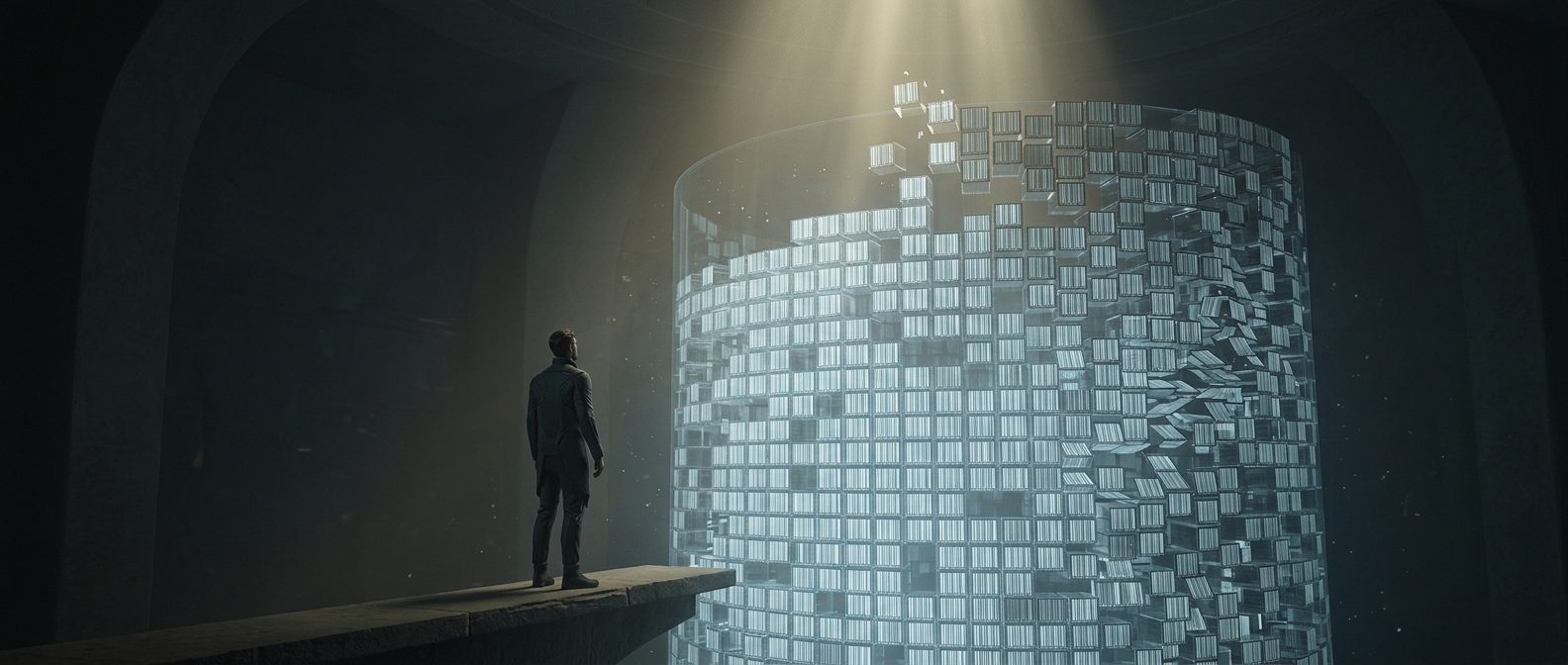
Why the number of QR codes has a limit
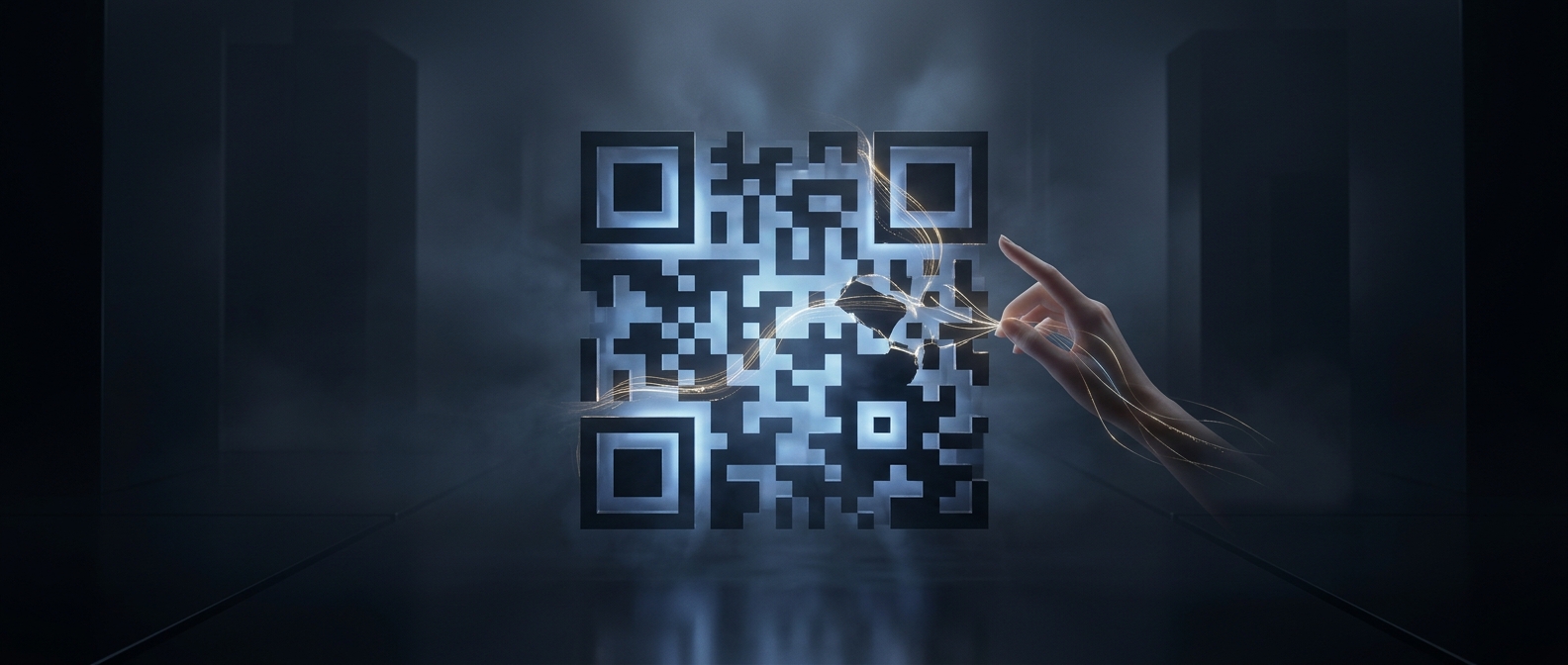
A QR code is a small grid of black and white squares called modules. The grid can’t grow without bound: the QR standard defines a set of symbol sizes, from a compact grid to a much larger one. Each size has room for only a finite number of squares, so there are only finitely many possible arrangements.
But most squares aren’t free to carry whatever information a creator wants. The three large corner markers help a camera locate and orient the code. Other areas hold timing and format information, while the remaining space stores the message along with extra data used to recover it if part of the image is damaged. As a result, the number of usable message patterns is smaller than the number of all imaginable black-and-white grids.
A vast supply, with practical limits
QR codes can represent text, numbers, or other data, and larger symbols can hold more than smaller ones. Still, every symbol has a maximum size and capacity. A code can’t directly contain an unlimited web address or an arbitrarily large file; it can instead point to information stored elsewhere.
There are also multiple ways to encode the same message, including different error-correction levels and square patterns called masks, which help the code scan reliably. So “a QR code” doesn’t always correspond to one unique visual pattern for a particular message.
The practical supply is enormous, but not infinite. If a system creates codes without checking for repeats, a duplicate is possible in principle—and what matters is whether the code leads to the intended information, not whether its pattern has never appeared before.