How an ATM separates a stack of cash
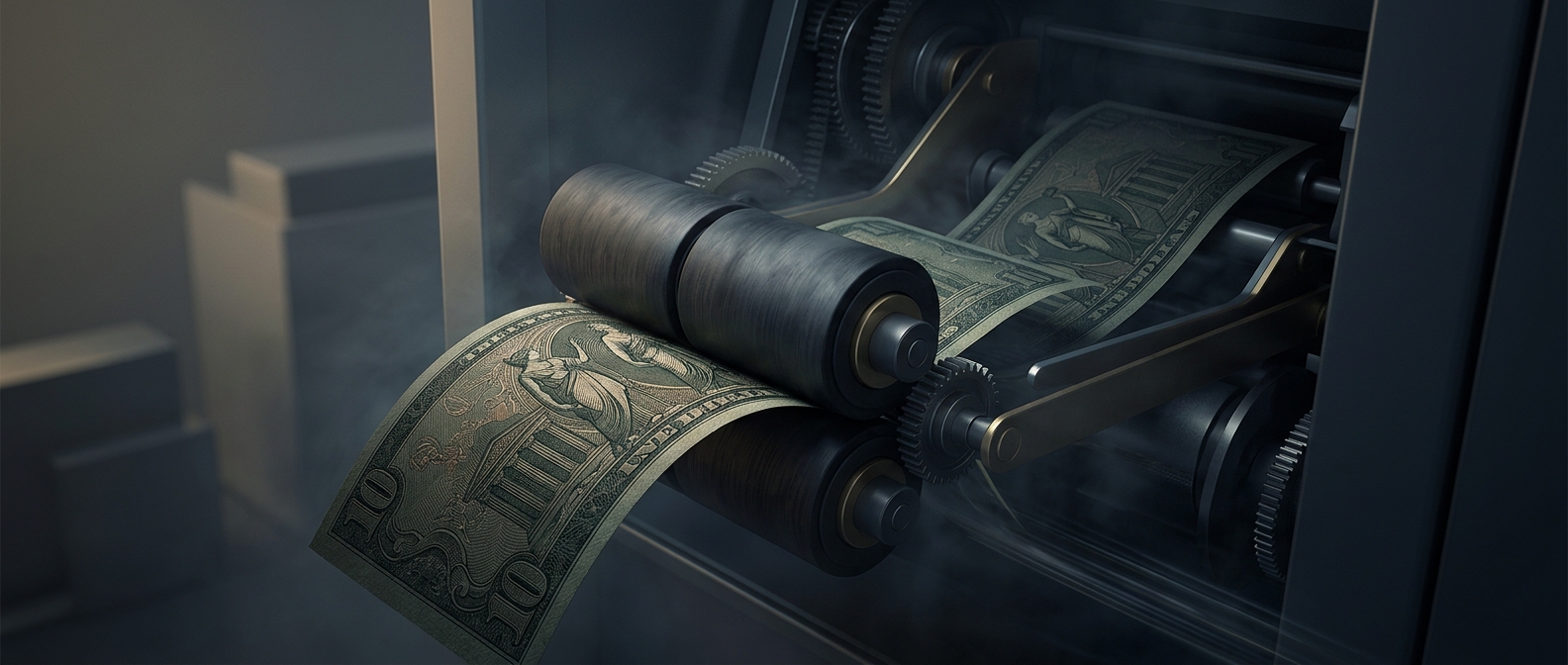
Inside an ATM, bills are stored in a removable cassette, stacked in a fixed orientation. When a withdrawal is approved, a motor turns a pickup roller against the top bill. Its rubber surface creates enough friction to move that sheet forward, while nearby guides and separation parts resist the bills beneath it. The goal is to let the top note slide free rather than drag the whole stack along.
That balance is the key: too little grip and a bill may not move; too much, or a poorly aligned stack, can pull two notes together. The rollers are calibrated for steady contact, but they do not rely on friction alone. The machine’s feed path helps constrain the paper as it leaves the cassette.
The machine checks the feed
As a note travels toward the cash slot, sensors can check whether it has arrived and whether more than one bill is moving together. A double feed—two notes passing as one—can disrupt the requested amount, so the dispenser may stop the feed and route the notes away from the customer-accessible opening. Exact mechanisms vary by ATM design, but the basic challenge is the same: move a known number of thin, flexible sheets reliably through a compact machine.
Rubber is useful because it can grip paper without needing a toothed mechanism that would tear or puncture it. The small rollers therefore do a precise job: turn a flat stack into a controlled stream of individual bills.