How a Wiper’s Frame Shares Its Force
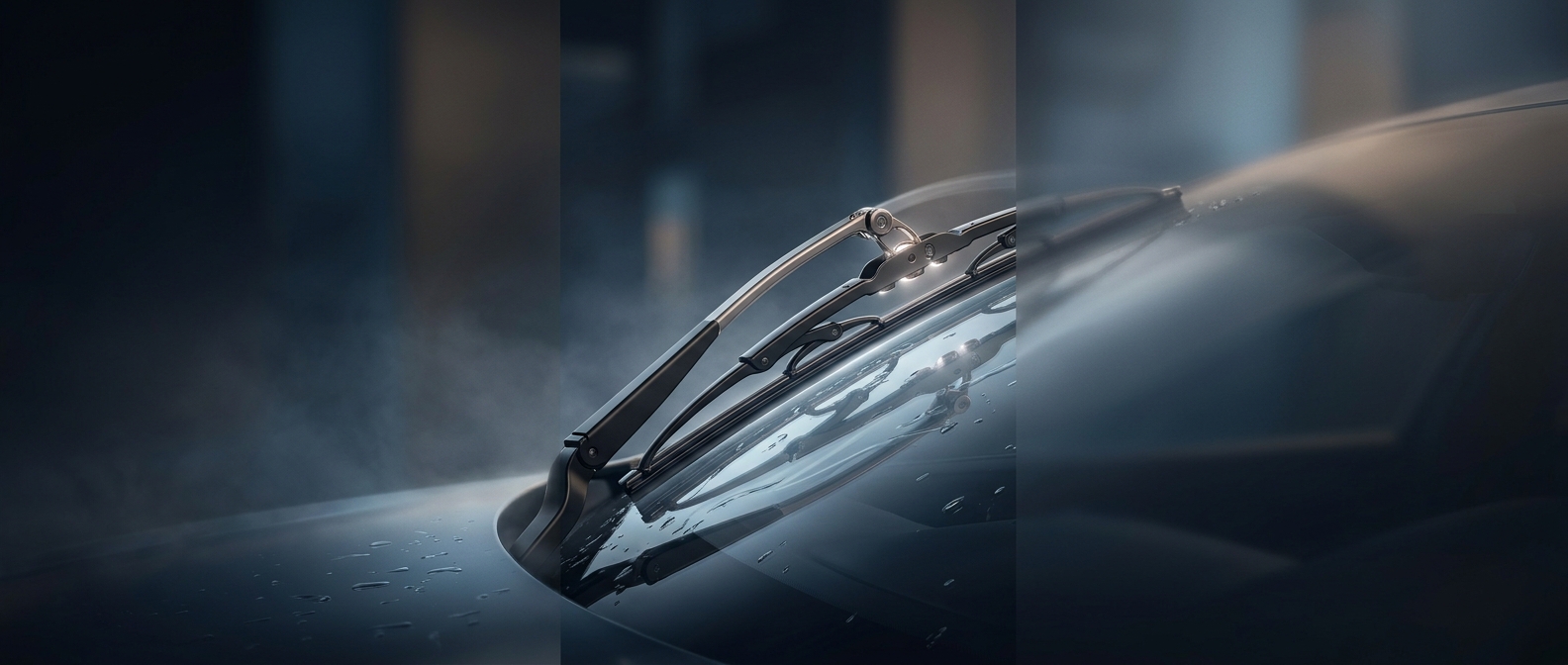
A wiper arm presses the blade against the glass, but that force has to reach the rubber edge along the blade’s full length. A rigid strip would tend to press hardest near its mounting point and leave gaps where the windshield curves away. A framed blade solves this with a chain of small pivots.
The arm’s force enters the frame at a central connector. From there, articulated brackets—sections joined so they can move relative to one another—pass the load outward to smaller contact points along the blade. As the blade sweeps across glass with changing curvature, the joints can tilt and settle rather than forcing the whole frame to stay flat.
Why Contact Matters
The rubber edge must stay against the windshield to push away water. If a section lifts, water can remain in a narrow band; if pressure is badly distributed, the rubber may drag unevenly and wear faster. The frame’s job is therefore not simply to hold the rubber in place, but to let it conform while maintaining useful pressure across the blade.
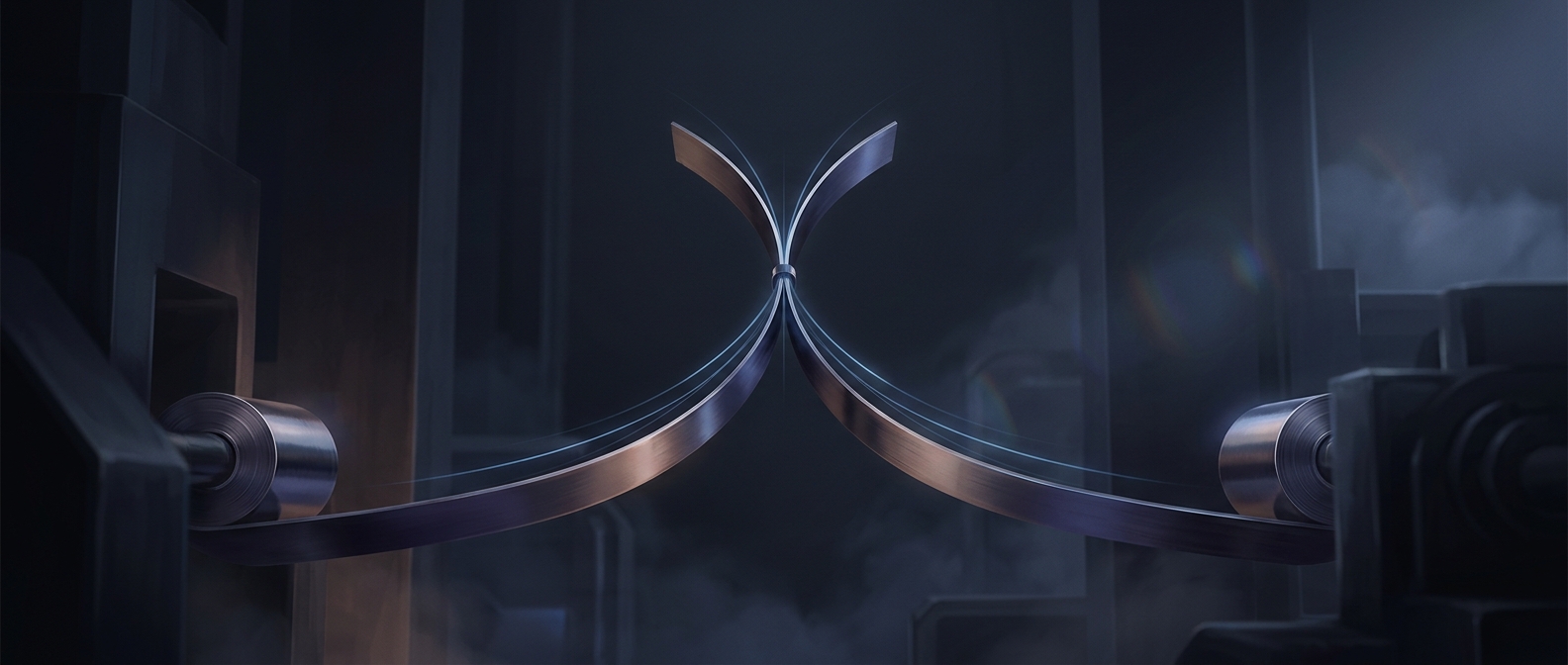
This is a mechanical compromise: more joints help a blade adapt to a curved surface, but they also add parts that can collect ice or dirt and become less flexible. Some newer beam-style blades use a springy internal strip instead of a visibly jointed frame. Both designs address the same challenge—transferring force from one mounting point to a long, curved edge.