Why a Coiled Steel Strip Pulls So Evenly
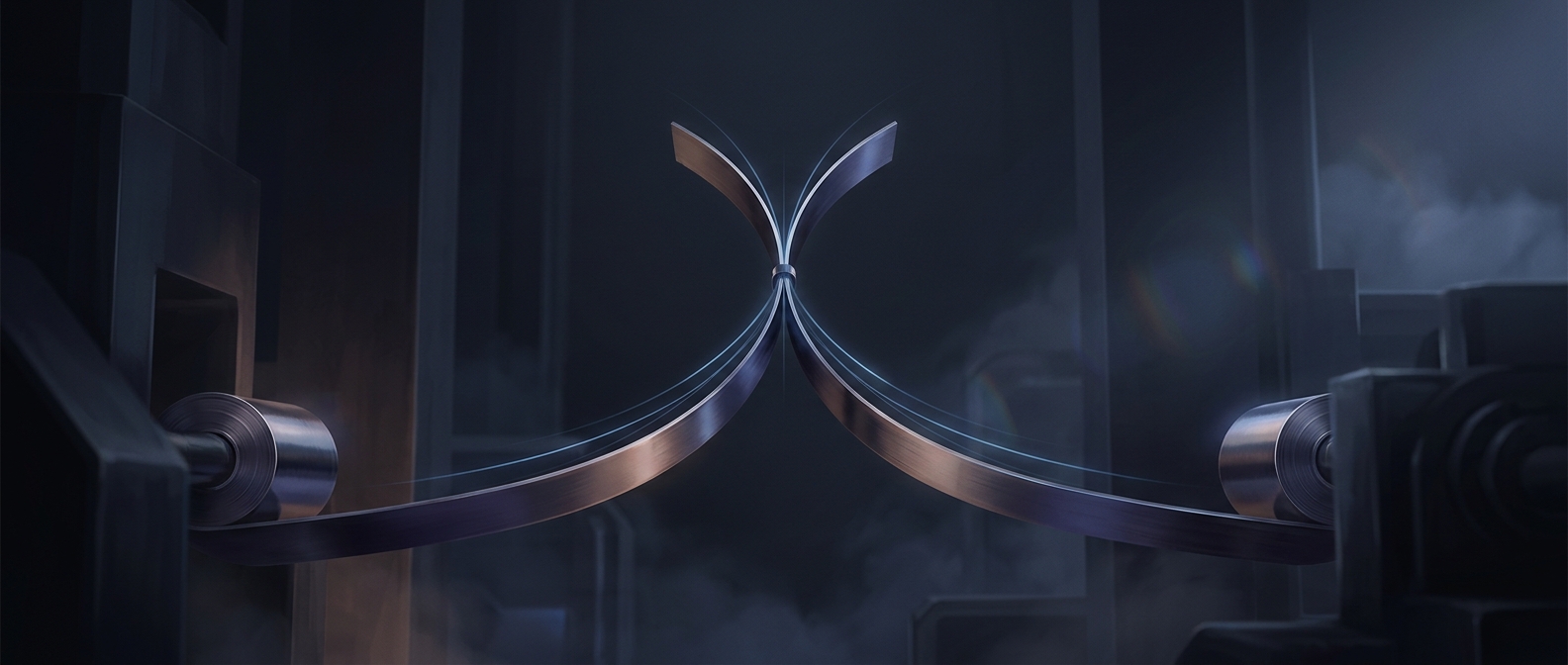
A constant-force spring is a thin strip of spring steel wound tightly into a coil. When its free end is pulled, the strip peels away from the outer loop and straightens. The steel resists that change because it is trying to return to its tightly curled shape; that restoring force pulls the strip back toward the coil.
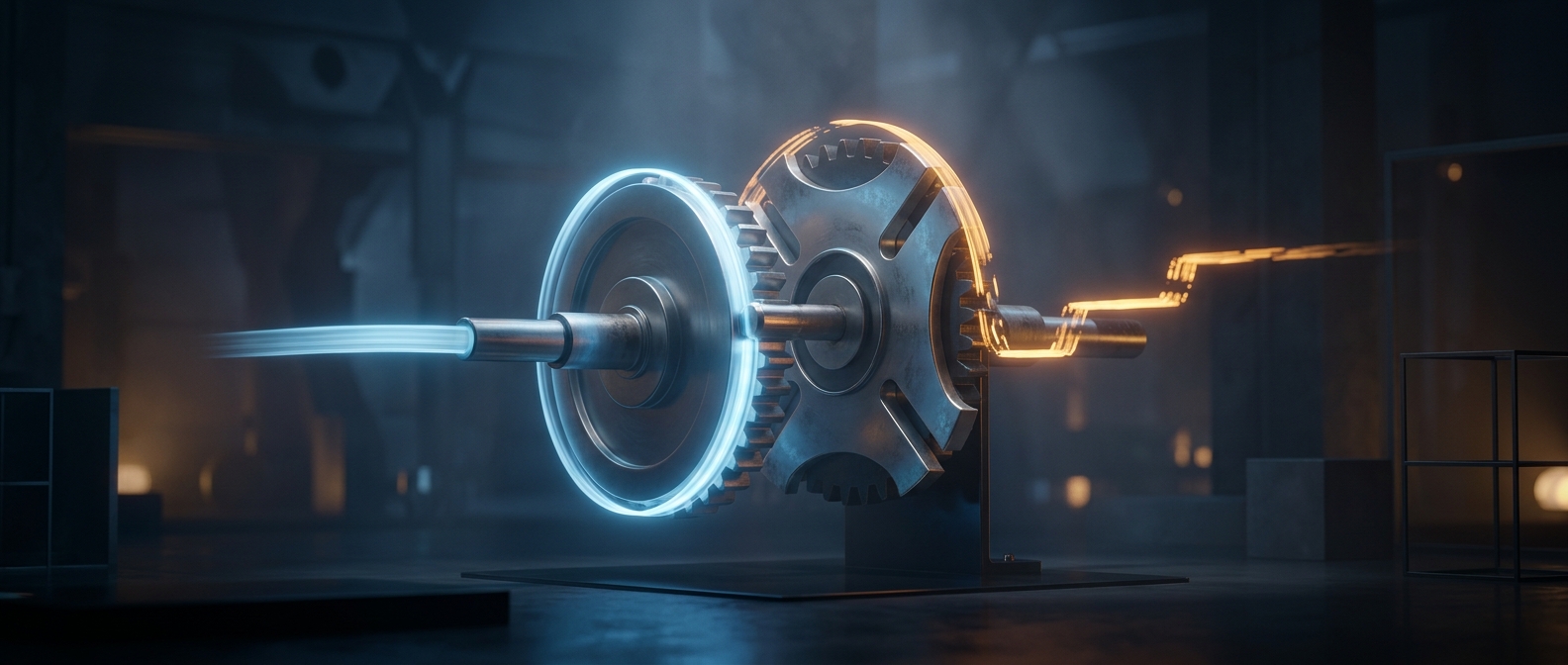
The useful trick is that the spring’s changing shape also changes its leverage. As the outer loop unwinds, its radius shrinks, so the torque—the turning force—acts through a shorter distance. Those changes largely offset one another, leaving the pull at the strip’s end nearly steady over much of its travel.
A Different Feel From an Ordinary Spring
In a typical extension spring, stretching the spring farther increases the force: the coils deform more, and the spring pulls back harder. A coiled steel strip works mainly by unbending and rewinding, rather than by progressively stretching a long row of coils. That difference gives it a much flatter force over its working range, though friction, material limits, and the spring’s design can cause some variation.
This makes the mechanism useful when a device needs to move through a distance without a sharply rising pull. It can retract a cord or balance a moving component while keeping the effort more consistent. The surprising part is that the spring does not need to maintain one unchanging shape to deliver a steady pull: its shrinking coil supplies a built-in adjustment to its leverage.