How a Low Gear Gets a Car Moving
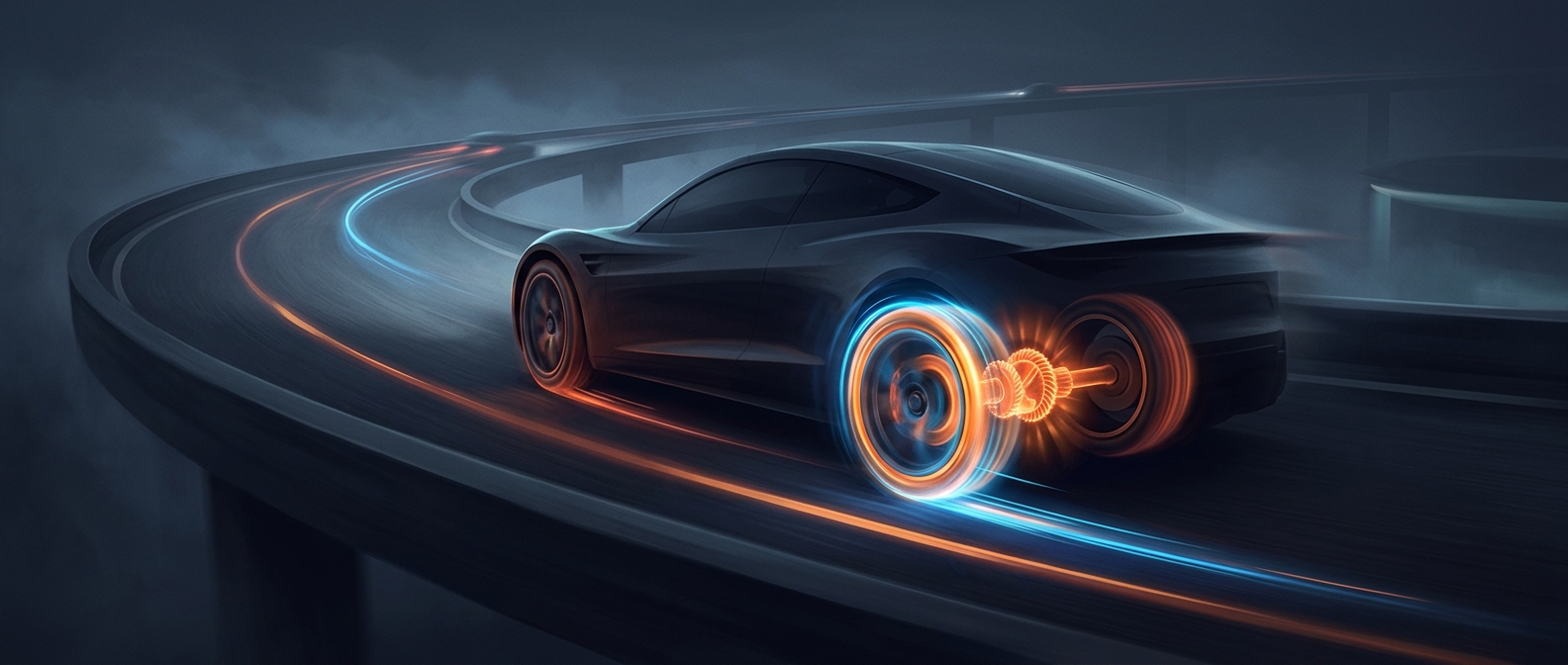
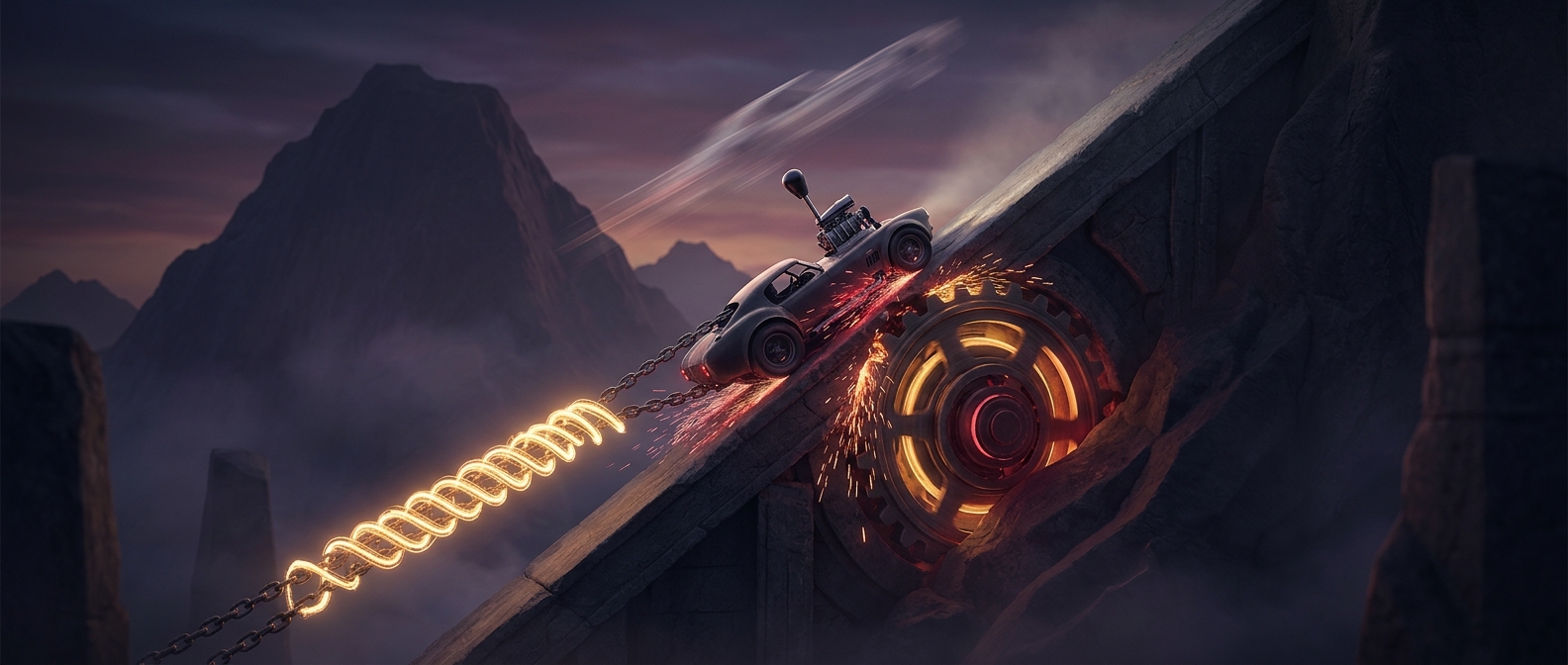
An engine works best within a limited range of speeds, and it cannot produce enough turning force at the wheels to move a stationary vehicle efficiently in every situation. A transmission bridges that gap. In a low gear, the engine turns several times for each turn of the wheels, multiplying the force delivered to them. The wheels rotate more slowly, but they push harder against the road—useful for pulling away from a stop, climbing a hill, or carrying a heavy load.
That multiplication is a tradeoff, not free power. Gears exchange speed for turning force, much as a long wrench makes a stubborn bolt easier to turn while moving your hand through a greater distance. The engine’s output is divided between how hard it turns and how quickly it turns; the transmission changes the balance.
Why the Driver Shifts Up
As the vehicle gains speed, the wheels no longer need as much force to keep it moving. Shifting to a higher gear makes the wheels turn more for each engine revolution. That reduces the engine’s leverage at the wheels but lets the car travel faster without pushing the engine to extremely high speeds.
In a manual transmission, the driver chooses when to make that change. Pressing the clutch briefly disconnects the engine from the transmission, allowing the driver to select another gear; releasing it reconnects them. A good shift keeps the engine in a useful operating range while providing the force the vehicle needs.
The same principle explains why a car may feel strong in first gear but cannot keep accelerating indefinitely in it: low gears are for leverage, while high gears are for covering more ground per engine revolution.