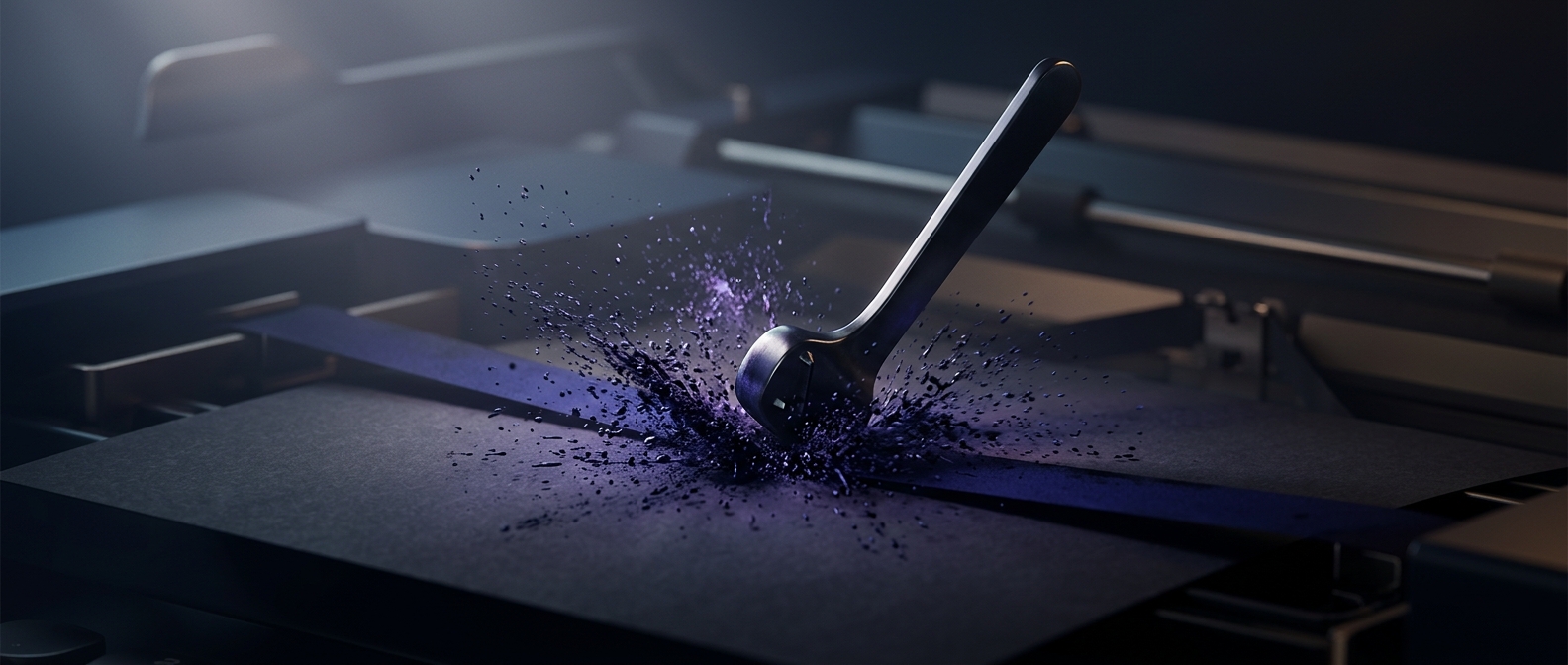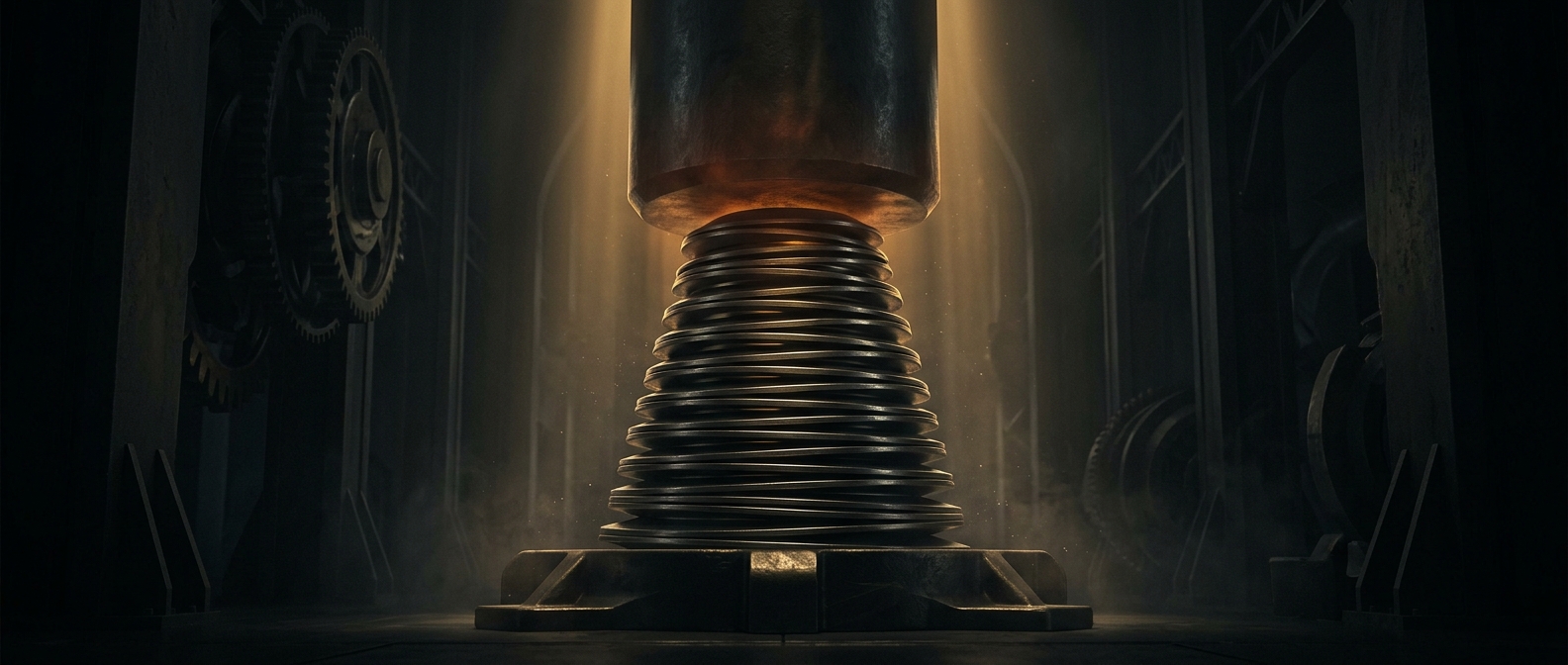
A paperclip works by trying to unbend
A paperclip is made from wire bent into overlapping loops. Sliding it over a stack pushes those loops apart. The wire flexes, then pushes back toward its original shape, squeezing the paper between the inner and outer sections of the clip.
That squeeze is the clamping force: pressure that keeps the sheets from slipping past one another. Friction between the paper surfaces and the wire resists movement, so the pages stay together without being pierced.
Shape turns flexibility into a grip
The loops do more than make the clip easy to handle. Their curves let the wire bend as the clip opens and help distribute its pressure along the edge of the stack. The wire must be springy enough to flex and recover, but not so stiff that it is difficult to slide over the pages—or so soft that it stays bent open.
A paperclip is therefore most effective on a modest stack. Add too many sheets and the loops spread farther, reducing their inward pressure; the growing stack can also slip more readily. The clip’s grip comes from a small, elastic squeeze, not from a lock or a sharp point.