Why the Plastic Comes Out as a Thread
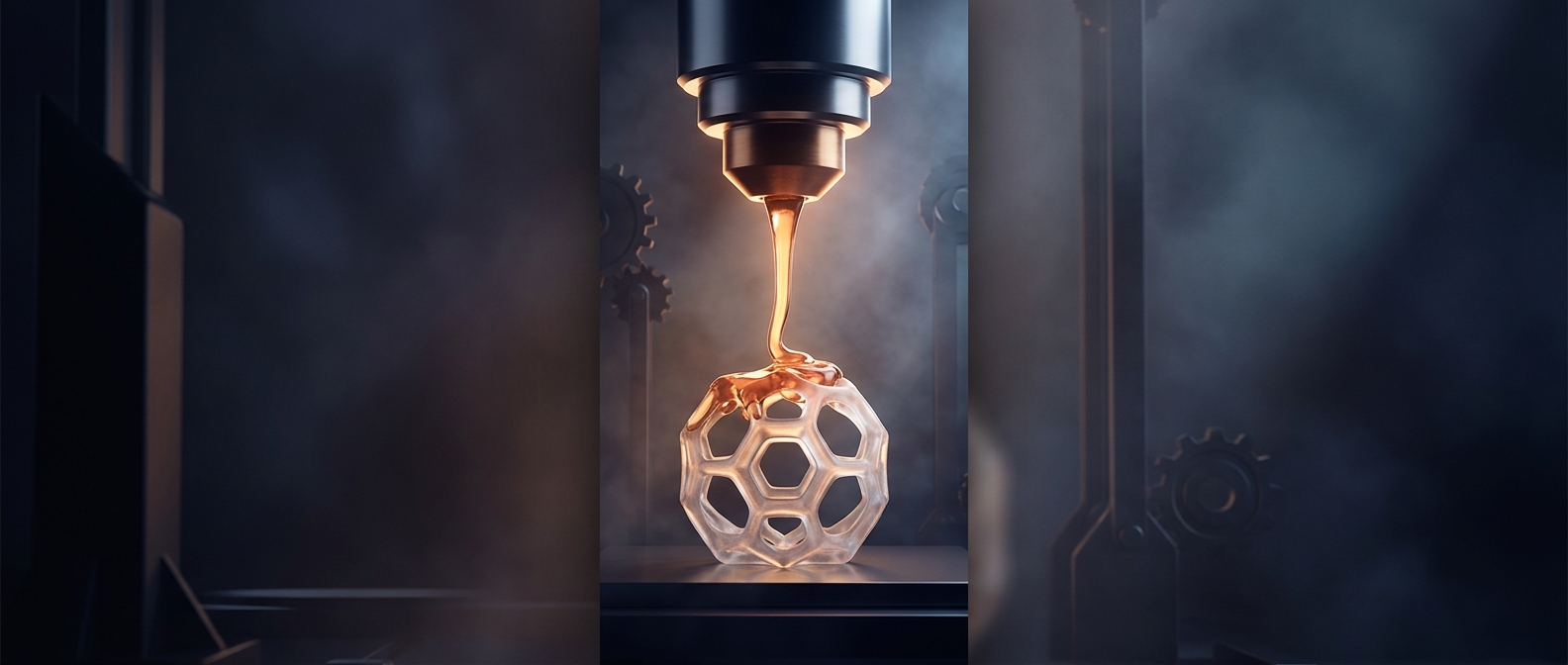
A desktop printer that uses filament relies on a process called fused filament fabrication. A motor grips a long strand of plastic and feeds it into a heated nozzle. The nozzle softens the plastic until it can flow, then squeezes it through a tiny opening as the printer moves across the build surface.
That thin strand is not placed randomly. The printer follows a path computed from a digital model, tracing the outline of each layer and filling its interior with repeated lines. The hot plastic bonds to the material beneath it as it cools. Once one layer is complete, the printer raises the nozzle or lowers the platform by a small amount and starts the next.
Why It Must Move Slowly
The printer has to coordinate two things: how quickly plastic is fed and where the nozzle travels. If the nozzle moves too fast for the feed rate, the line can become thin or break; too much plastic in too little space can leave bumps and blobs. The plastic also needs time to cool enough to hold its shape without losing its grip on the layer below.
This is why a small object can take a surprisingly long time. The machine is not simply drawing its outer surface: it may also lay down internal support lines, and it must repeat the same controlled motion across many layers. Overhangs—parts that extend out over empty space—can require temporary supports so fresh plastic has something to rest on.
A Shape Built from Paths
The result is a solid object assembled from many narrow beads of plastic, rather than one piece molded all at once. Its strength can depend on how those paths and layers meet: a part may resist force differently along the layers than across them. The printer’s defining trick is also its constraint: it can make complex shapes by laying material only where the planned paths go, but every feature must be built up from those successive strands.