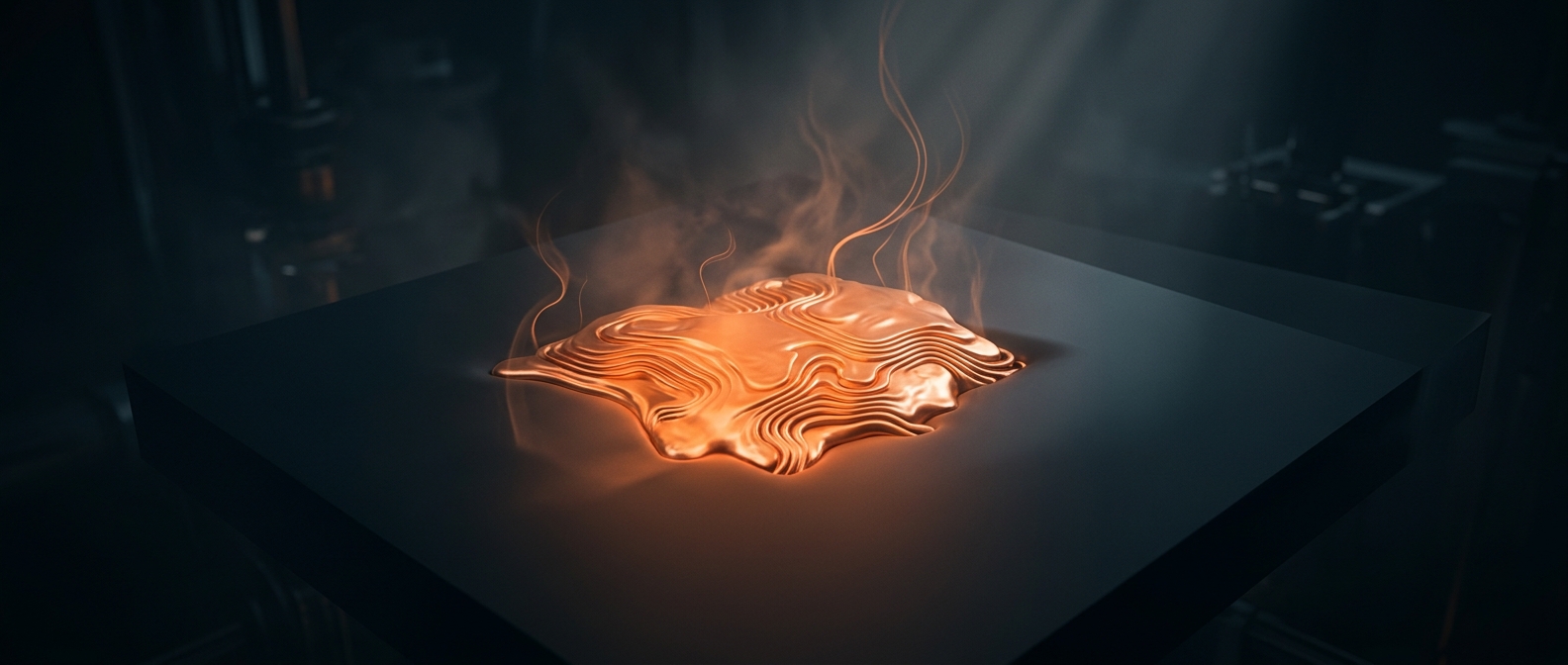
How light turns a drawing into a solid object
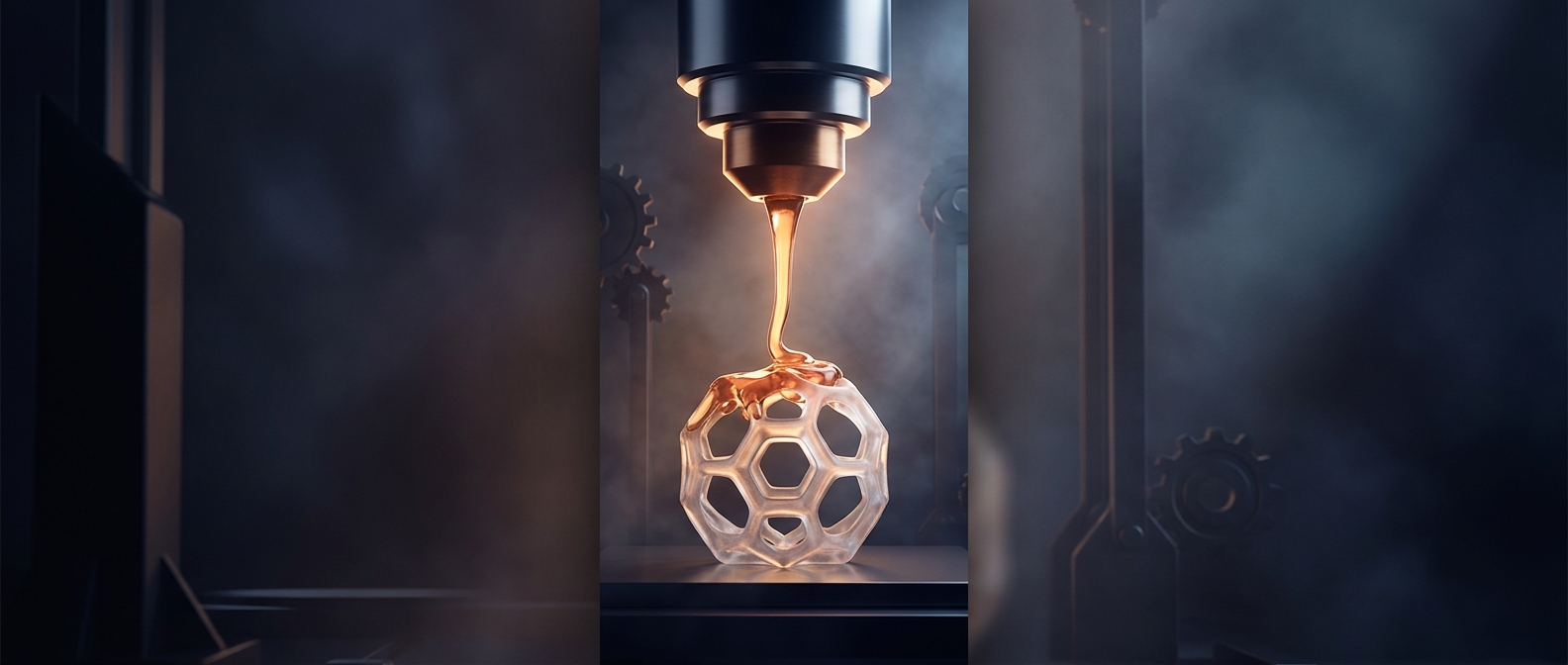
Stereolithography works by building a shape in thin horizontal layers. A computer slices a 3D design into cross-sections, and ultraviolet light traces one cross-section at a time across a tray of liquid photopolymer—a plastic-forming resin that hardens when exposed to the light. The cured layer sticks to the one below it, gradually turning a digital outline into a physical part.
That layer-by-layer approach makes it possible to form shapes that would be difficult to carve from a solid block. But it also means a printer must translate the design into many small exposures: the object takes shape incrementally, not in one flash.
From resin vat to usable part
In an early stereolithography setup, a platform sat just below the resin’s surface. After the light hardened a layer, the platform moved down so fresh liquid resin could cover it. The next exposure bonded another layer to the growing object. Repeating this cycle made the machine, in effect, a light-guided construction tool.
The process also has practical constraints. A newly printed resin object may need to be cleaned and exposed to additional ultraviolet light so it finishes hardening. Delicate or overhanging sections can require temporary supports, which must be removed afterward.
Hull’s approach made rapid physical prototypes possible without first making a mold or machining every feature by hand. That changed what designers could test: they could turn a digital model into a tangible part, inspect its shape, and revise the design before committing to more involved manufacturing.