How a living print is built
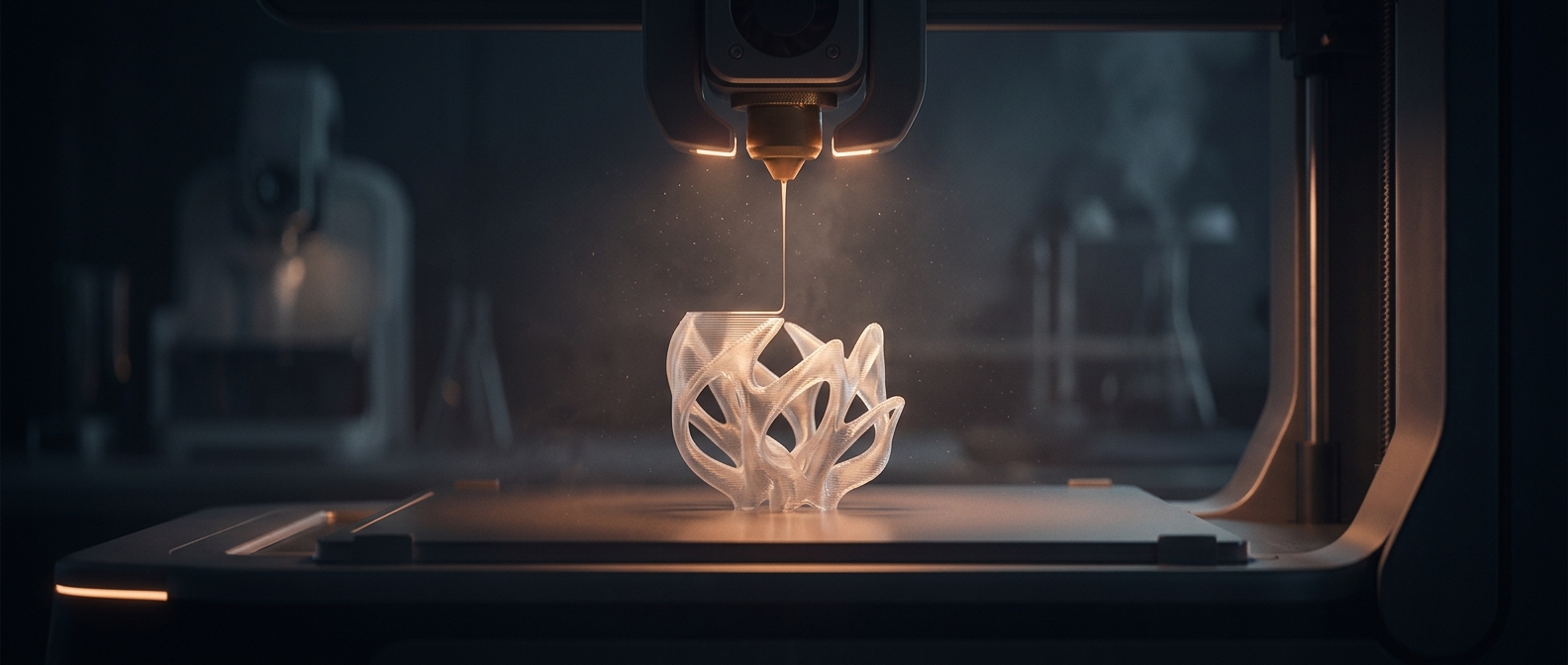
A bioprinter works more like a precision dispenser than a conventional printer. It lays down bio-ink—a soft material containing living cells—in planned patterns, building a three-dimensional structure one layer at a time. The cells may be stem cells, which can develop into different cell types under the right conditions. A scaffold, a temporary framework that supports the growing tissue, helps hold the printed shape in place.
The pattern matters because cells do not function simply by being packed together. Their surroundings help determine what they become and how they behave. Placing cells and supporting material in specific locations can begin to reproduce some of the organization found in natural tissue.
Why printing is only the beginning
A printed shape is not automatically a working organ. Cells must survive the printing process, settle into their intended roles, and form connections that let the tissue operate as a whole. In a large structure, cells also need access to oxygen and nutrients; without a way to deliver them through the tissue, cells far from the surface may not survive. The body’s organs add further complexity, combining multiple cell types, fine internal structures, and coordinated functions.
That is why organ bioprinting remains a developing approach, not a way to print a replacement kidney ready for transplant. Printing can help position living cells and create tissue-like structures, but those structures still have to mature and work reliably. The striking step is not merely shaping material into an organ outline—it is getting living cells inside that shape to organize into functioning tissue.