How a moving image became DNA
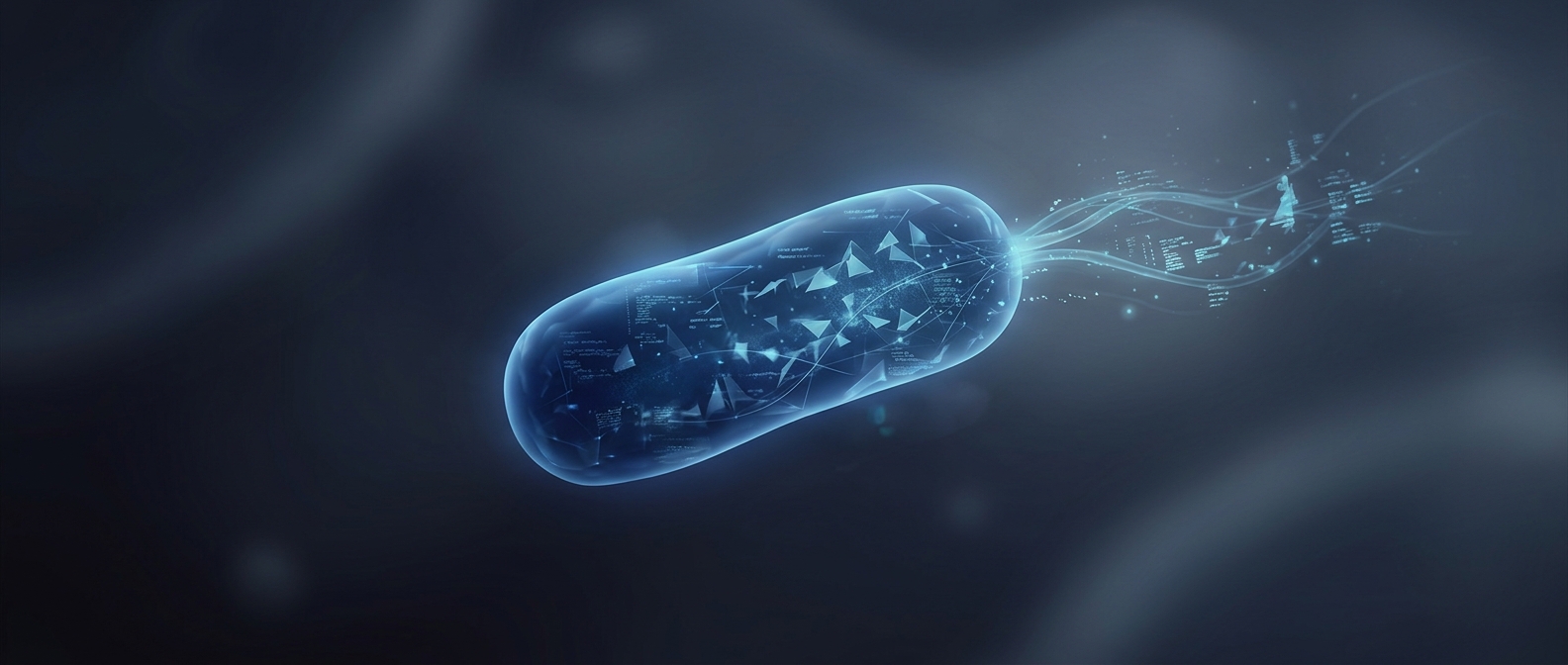
A digital video is a stream of numbers: each frame is a grid of pixels, and each pixel has a value for its color or brightness. To store images in bacteria, researchers translated those values into short sequences made from DNA’s four chemical “letters”—A, C, G, and T. The result was not a video the cells could watch, but information that could later be read back from their genomes.
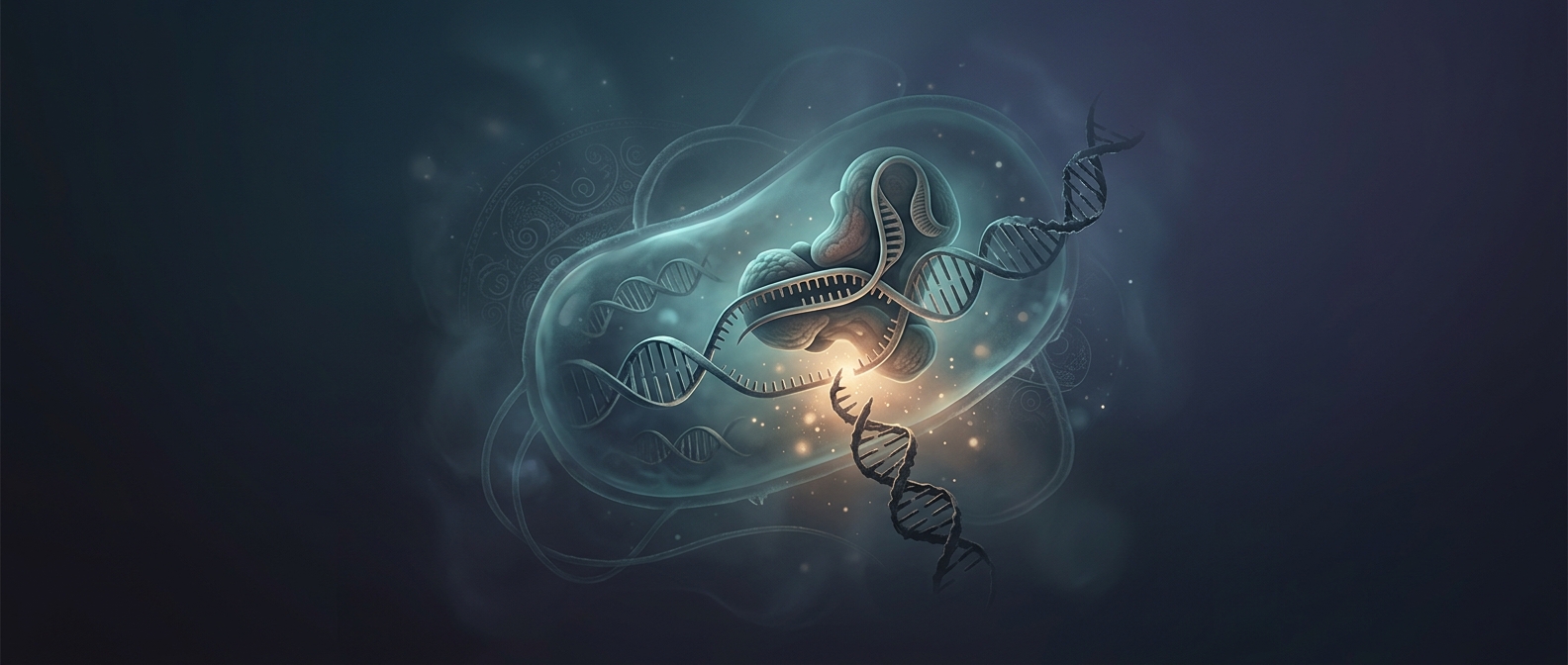
The harder part was getting the data into living cells in a useful order. Researchers used a bacterial CRISPR system, best known for helping microbes recognize viruses. Its recording machinery can take small pieces of incoming DNA and insert them into a CRISPR array—a region of the genome that accumulates these sequences. By supplying encoded pieces over time, the team could record a series of frames rather than just one static image.
A record that copies itself
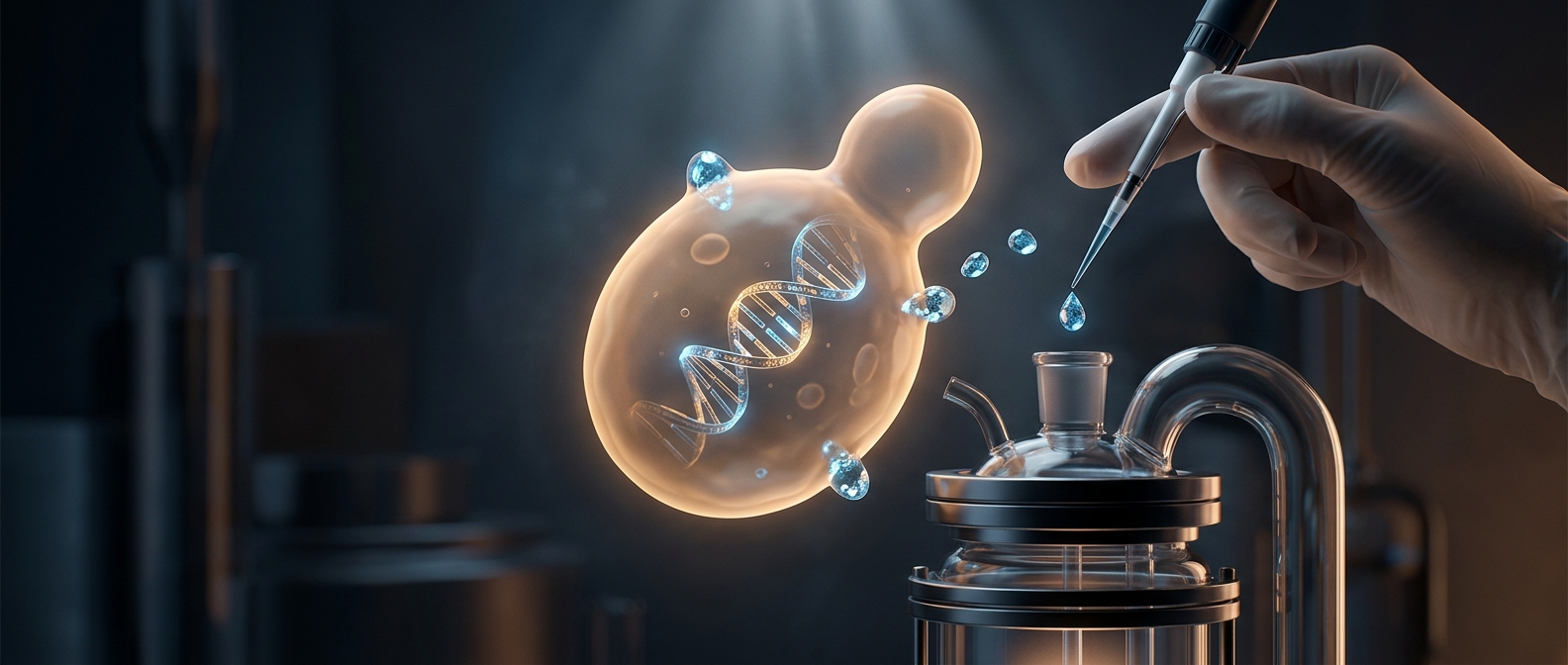
Once a piece of information had been added to a bacterium’s DNA, ordinary cell division copied it along with the rest of the genome. The encoded data could therefore pass to descendant cells. Sequencing the CRISPR array—the process of determining its DNA-letter order—let researchers recover the stored information and reconstruct the images.
This is very different from saving a video on a flash drive. The bacterial record was tiny and required specialized steps to encode and retrieve; DNA storage is not a practical replacement for everyday digital media. Its unusual advantage is that a living cell can both maintain genetic information as it grows and, with the right recording system, acquire new pieces over time.
That points toward a different use for DNA: not simply storing a file, but keeping a molecular log of events inside cells. In principle, such records could help researchers trace what a cell encountered or how it changed—information that might otherwise disappear as the cell continues to live and divide.