Turning a human instruction into a yeast-made protein
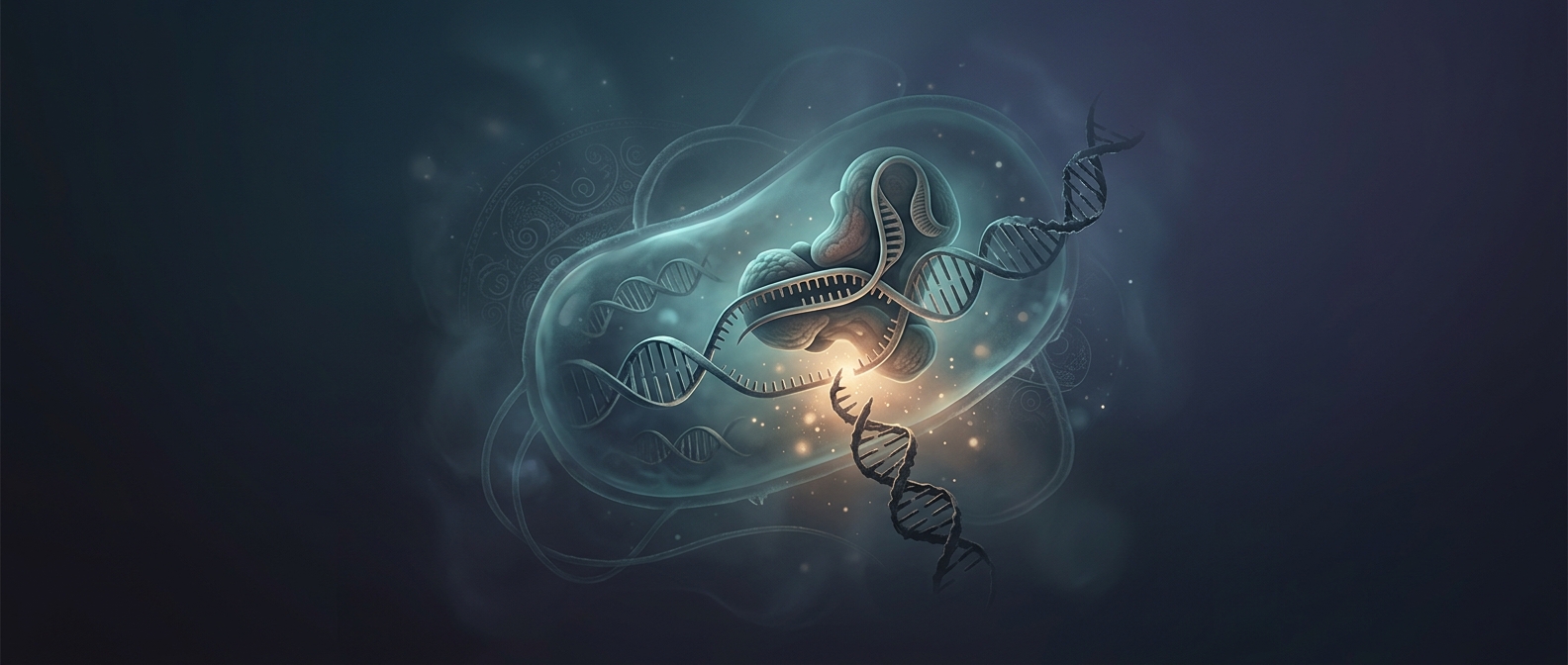
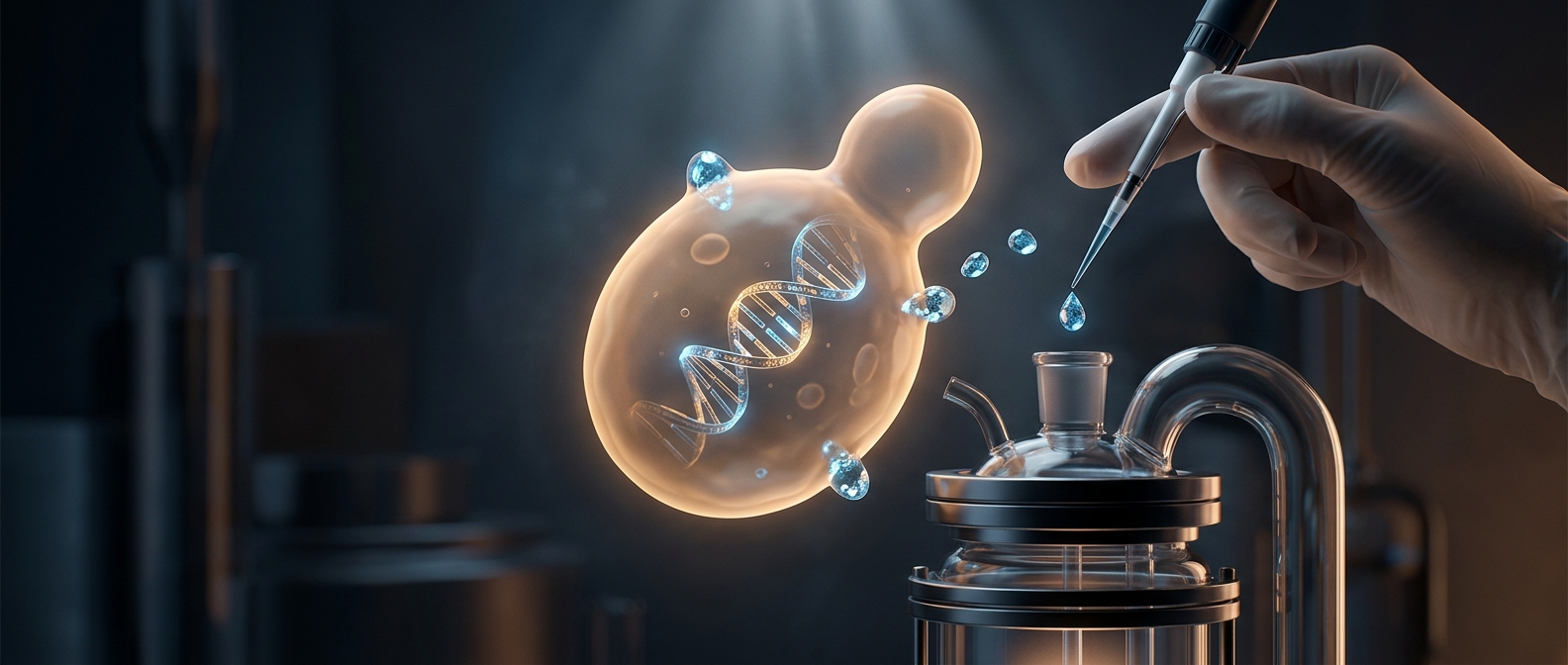
A gene is a stretch of DNA that cells use as instructions for building a protein. In insulin production, scientists place the human insulin instructions into yeast cells. The yeast’s own machinery reads those instructions and assembles insulin-related protein molecules from amino acids—the same basic building blocks used by human cells.
The yeast is a production host, not a tiny model of the human pancreas. It can multiply quickly in a controlled tank and make protein as it grows. Manufacturers feed and monitor the culture so the cells remain productive, then separate the protein from the yeast and the rest of the fermentation mixture.
From protein mixture to medicine
Freshly made protein is not automatically ready to inject. Insulin must have the right structure: its folded shape and chemical links between parts help it work properly. Depending on the production process, the yeast may make insulin itself or a precursor—a protein that is later converted into insulin. The product is purified and checked to ensure it has the intended identity, structure, and quality.
This approach made it possible to manufacture human-identical insulin in bulk without relying on insulin extracted from animal pancreases. The key engineering idea is that a familiar microbe can serve as a programmable factory: change the genetic instructions, and its living cells can make a useful human protein.