Why cell cultures needed calf serum
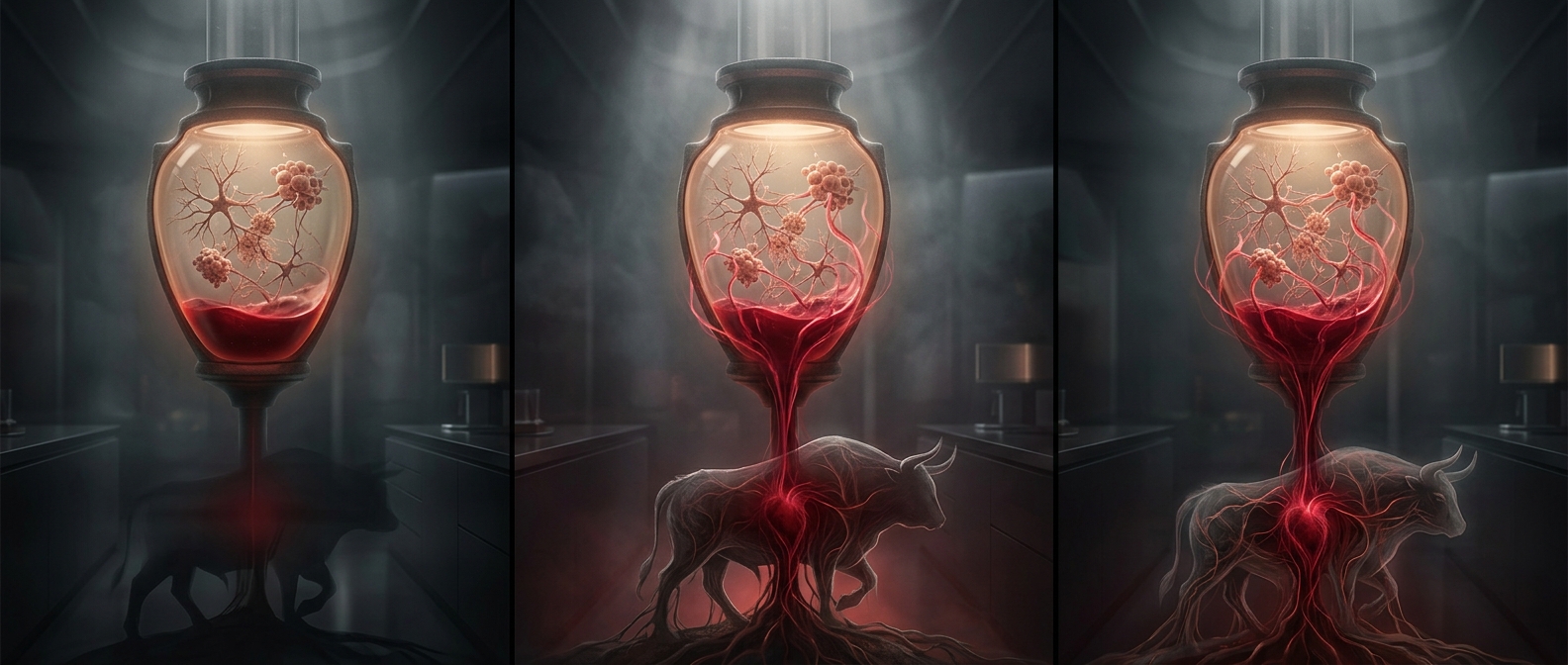
A cell growing in a dish has no access to the bloodstream that would normally deliver nutrients and growth signals. Researchers therefore give cultured cells a liquid medium containing materials that help them survive and multiply. For years, a common ingredient was fetal bovine serum, or FBS: a complex mixture collected from the blood of unborn calves.
Serum was useful partly because it supplied many substances at once, including proteins and growth factors that cells need. But that complexity also made it hard to know exactly which components were doing the work—and difficult to reproduce the mixture consistently.
The animal-use tradeoff
This created a practical contradiction for cultivated meat. The goal was to grow meat from animal cells without raising and slaughtering animals for each batch, yet a key part of the cell-growing process came from an animal-derived material. FBS collection is associated with the slaughter of pregnant cattle, so its use raised ethical concerns as well as questions about cost and supply.
The serum was not the meat itself; it was an input used to keep cells growing. That distinction matters, but it does not erase the reliance on animals in the production process.
Replacing a biological mixture
A major challenge is that FBS is not one ingredient that can simply be swapped out. It is a variable blend, and different cell types may depend on different parts of it. Researchers have worked toward serum-free media—nutrient liquids made without animal serum—by identifying the needed components and supplying them in controlled amounts.
That shift can make cell growth more defined and reduce reliance on animal-derived inputs. It also puts a demanding task on the process: the replacement must support healthy, reliable growth at production scale. In other words, making meat without raising animals depends not only on the cells, but also on what sustains them while they grow.