How a gene drive changes inheritance
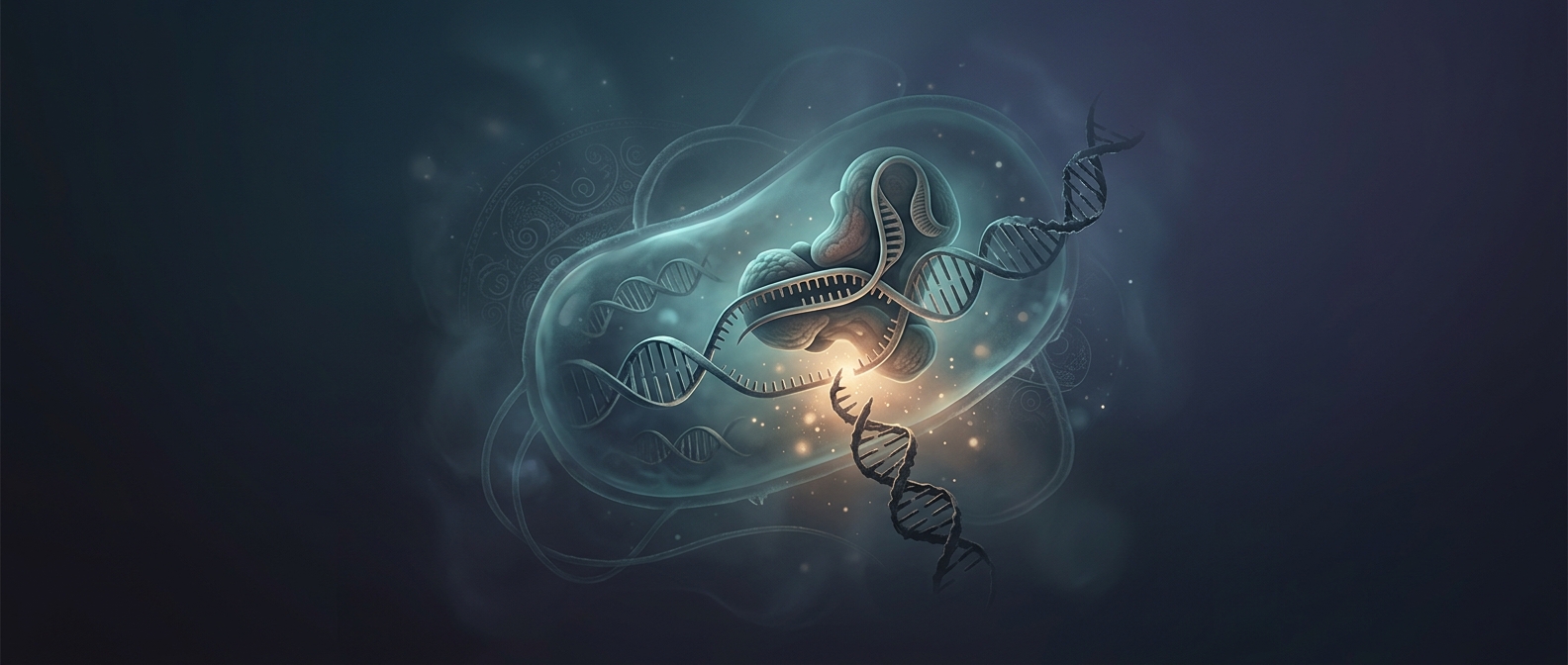
Most versions of a gene drive use a genetic tool such as CRISPR to copy a chosen DNA sequence onto the matching chromosome in reproductive cells. Normally, an offspring has an equal chance of inheriting either version of a gene from a parent. With a copying drive, an embryo that first receives the drive on one chromosome may end up with it on both. The drive can then be passed on more often than ordinary inheritance would allow.
That bias gives the trait a way to spread without needing every generation to inherit it by chance. As organisms carrying the drive reproduce, more of their descendants may carry it, and those descendants can pass it on in turn.
A population-level effect depends on the design
A drive might be built to spread a particular trait, or to disrupt a gene needed for reproduction. In the latter case, the aim could be to reduce a population over generations rather than simply alter an individual organism. The drive does not make an organism change instantly; its effect depends on reproduction and on how readily it spreads through the population.
The inheritance advantage is not guaranteed to work perfectly. If the target gene changes in a way that prevents the drive from copying itself, that altered version can resist the drive. Even so, the design changes the basic arithmetic of inheritance: a genetic change can be engineered to become more common across generations, rather than relying on a coin-flip chance each time parents pass genes to offspring.