How an inherited trait can replace dehorning
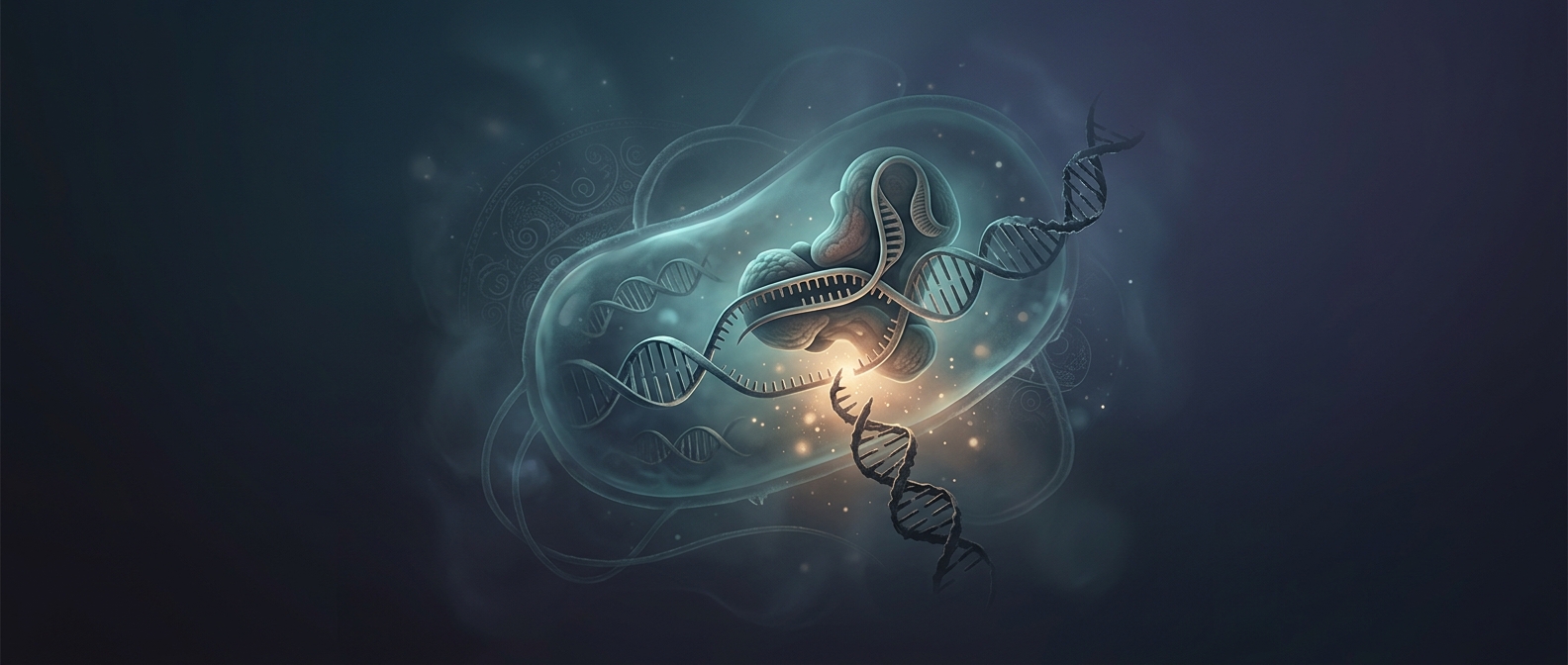
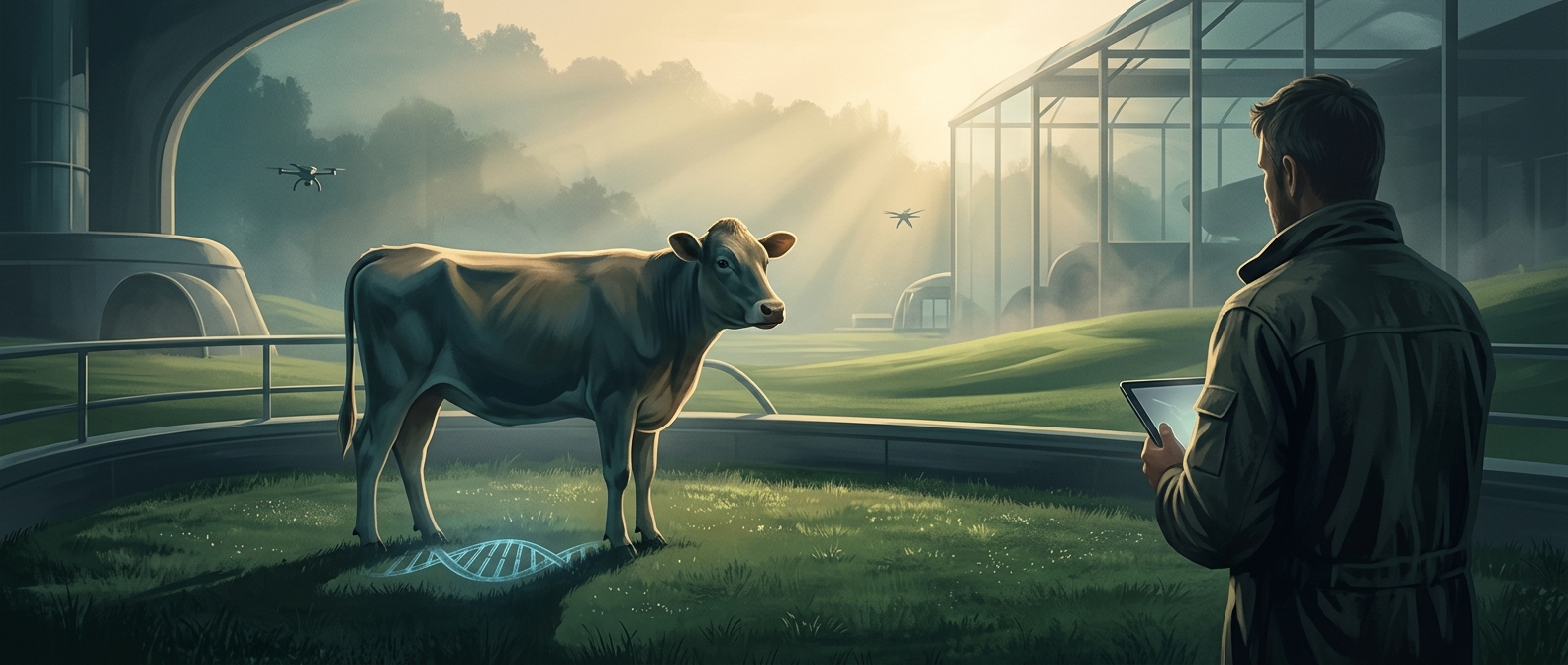
A calf’s horns begin as small growth sites on the skull, not as detachable structures that appear fully formed. In horned cattle, those sites develop into horns; in naturally hornless, or polled, cattle, a genetic variant prevents that development. The editing approach takes a polled version of the relevant DNA found in some beef cattle and introduces it into dairy cattle.
That changes the animal’s inherited instructions before birth. It does not remove horns after they grow: the aim is for calves to be born without them, so they never undergo the procedure used to dehorn horned animals.
Why dairy breeds are the target
Many dairy herds use dehorning to reduce the risk that cattle will injure one another or the people handling them. But dairy breeds have been selected for traits such as milk production, and the hornless trait is more common in some beef-cattle lines. Conventional crossbreeding can bring in the polled trait, but it also introduces other genetic material from the beef breed. Editing offers a way to add the desired variant without relying on that broader mix of inherited traits.
The change can also be passed to future calves if an edited animal breeds. That makes the approach potentially more than a one-animal fix: it could help establish hornlessness within a dairy line. The practical consequence is simple but meaningful—a genetic change made before birth can spare an animal a painful intervention later in life.