Why a Small 3D Print Can Take All Day
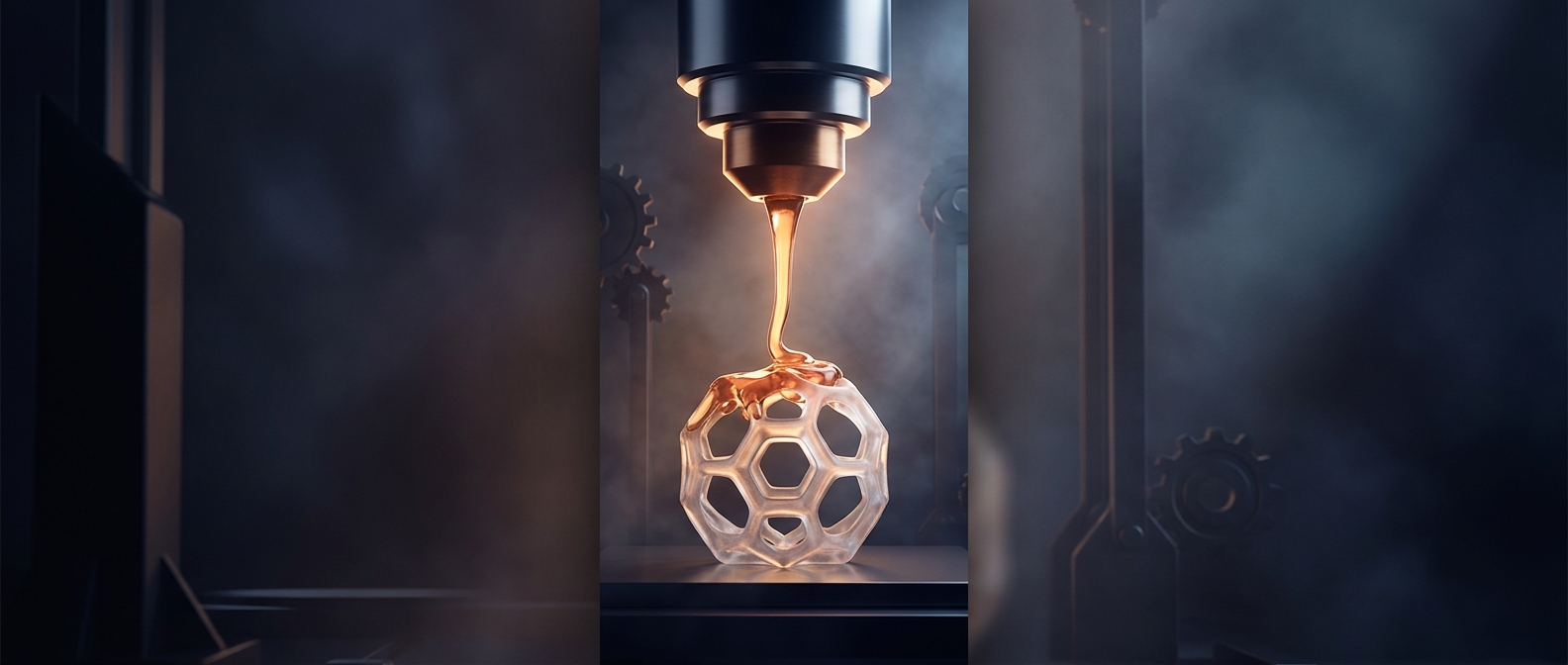
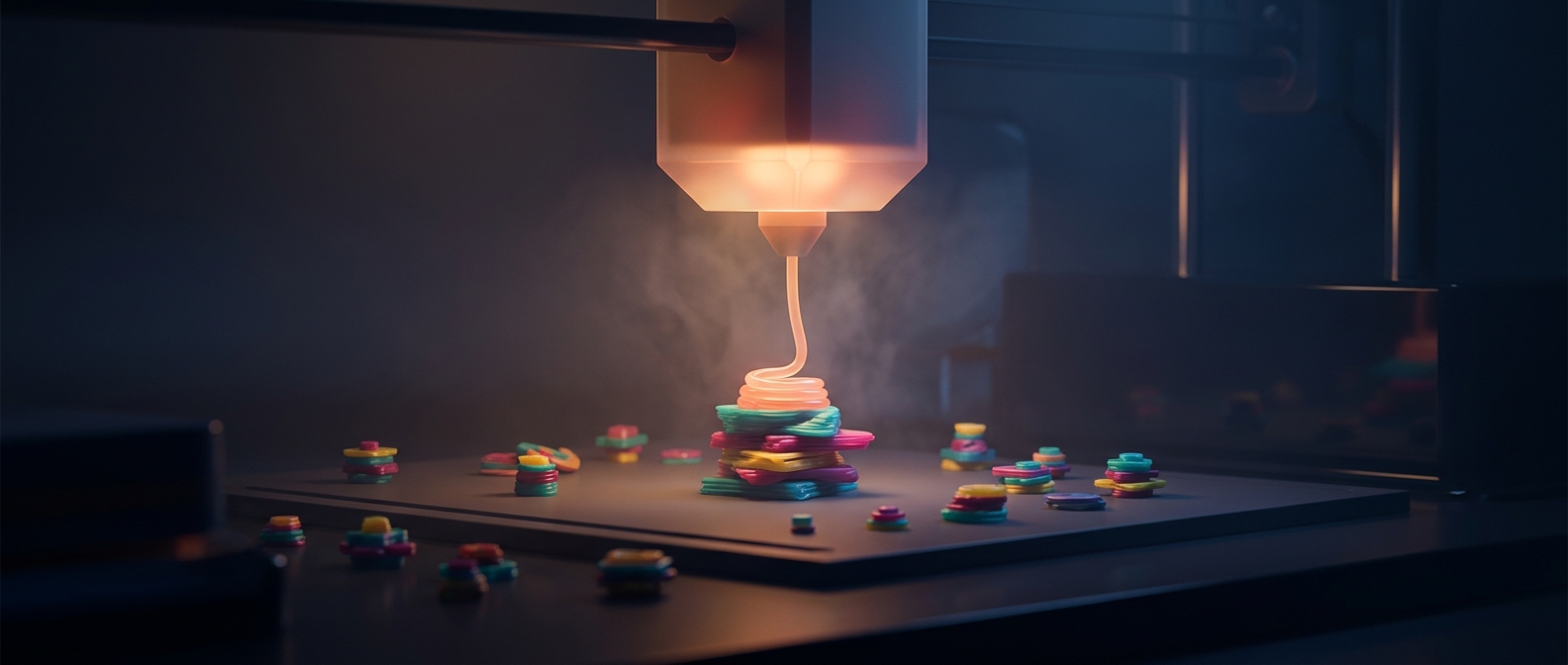
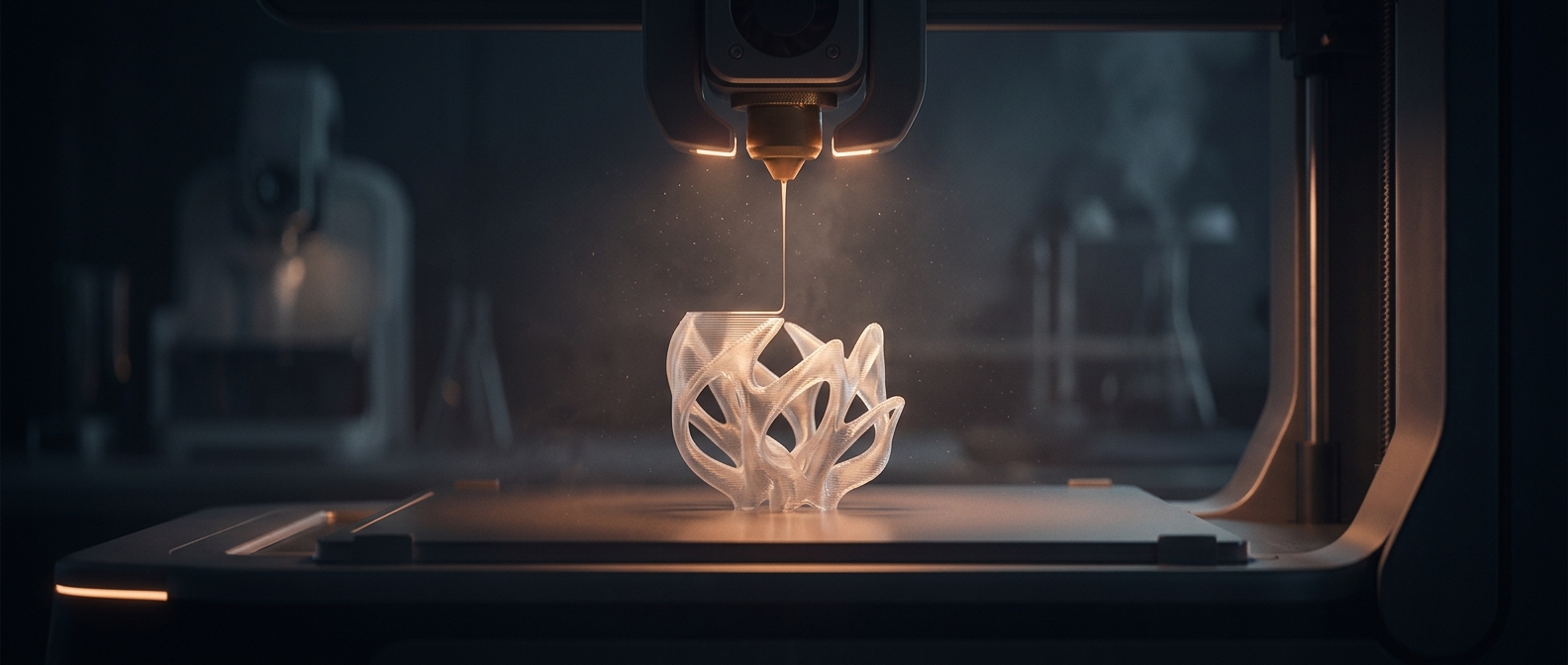
A desktop filament printer does not form an object all at once. It softens a thin strand of plastic and traces a path across a platform; then it moves up by a fraction of a millimeter and traces the next layer. The printer must repeat that cycle until the object is complete.
That makes a print’s surface area and detail—not just its overall size—important to the clock. A small object with tiny features may need many short, careful movements. Curved walls are built from numerous narrow passes, while overhangs may require slower printing or temporary support material beneath them.
The printer has to manage heat and motion
The plastic must be hot enough to flow through the nozzle, but each new layer also needs to cool enough to hold its shape before more material is added. Moving too quickly can leave layers poorly formed or details blurred. The printer also has to accelerate, slow down, and change direction repeatedly; it cannot maintain its top speed through every tight corner.
Before printing, software called a slicer converts a 3D model into the printer’s layer-by-layer instructions. It decides how thick each layer will be, how much of the inside to fill, and whether supports are needed. Finer layers and extra internal material generally mean more passes and more time.
The result is that a tiny, intricate piece can demand hours of steady work. Its size fits in a hand, but its shape may require the nozzle to trace thousands of precise paths—and every one must be laid down in sequence.