A printer builds the boat one thin pass at a time
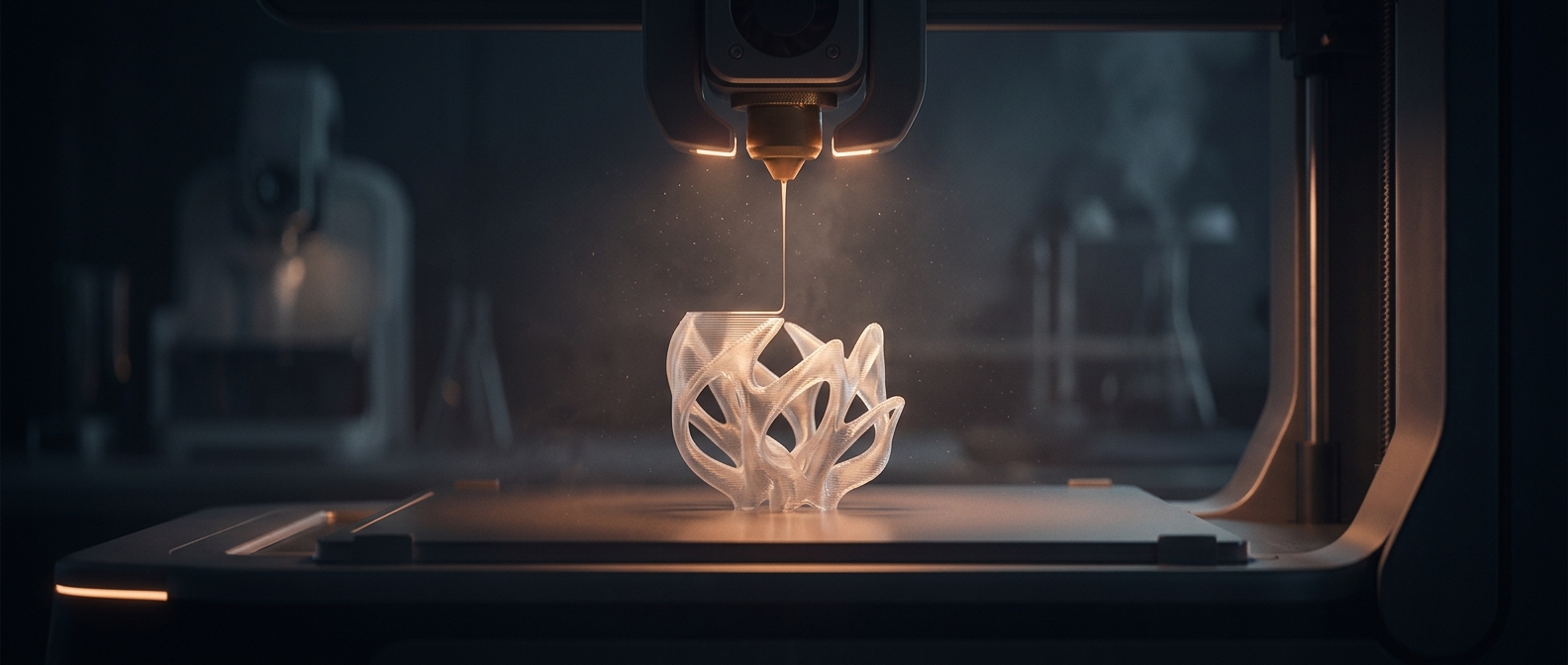
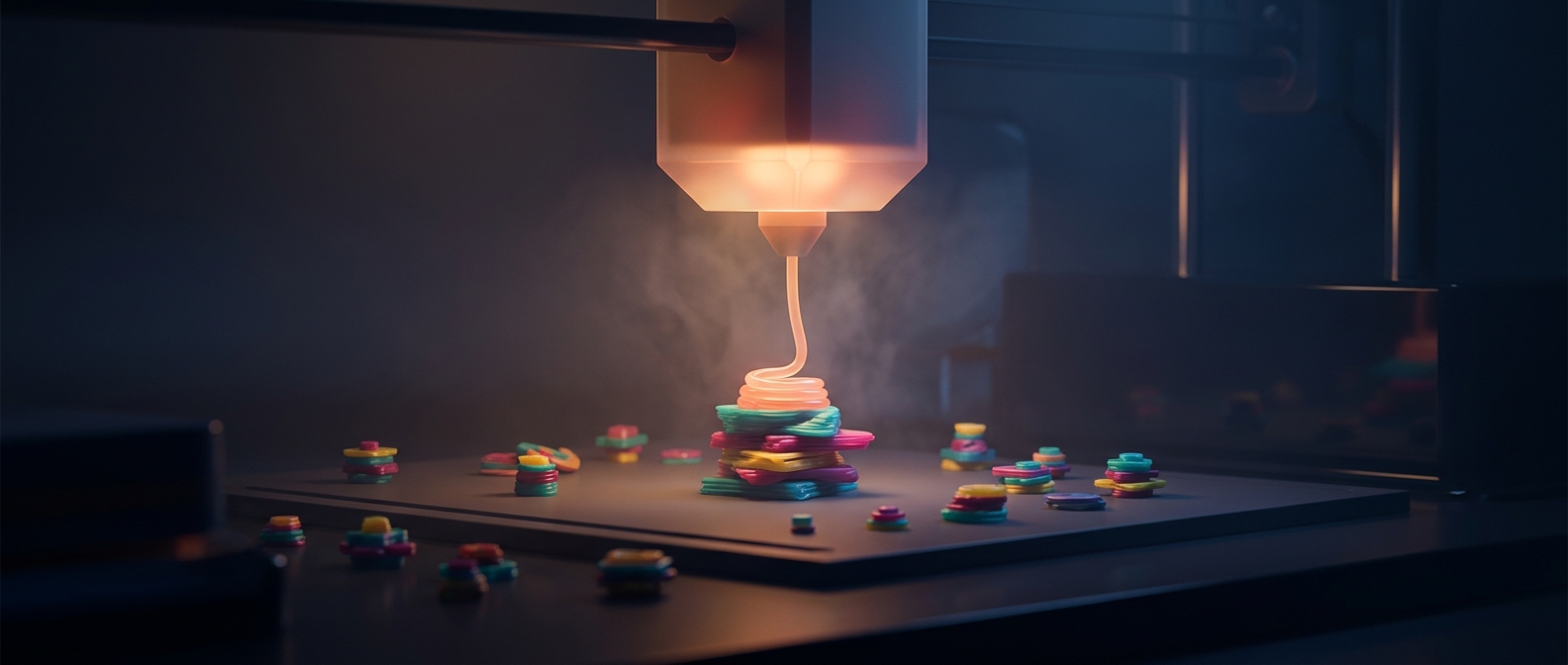
In a common kind of 3D printing, called fused-filament fabrication, a motor feeds plastic filament into a heated nozzle. The nozzle softens the plastic and traces a planned path, laying down a narrow strand that cools and hardens. The printer repeats the process in layers, moving upward as the object grows.
That means a small object is not made in one quick pour. The nozzle must travel around the boat’s outline, fill some of its interior, and return repeatedly to form details such as the hull, deck, and raised edges. The printer also has to change direction at corners and pause or reposition between parts of the path. A tiny model can therefore require many careful movements even though it uses little plastic.
Finer detail means more passes
A printer can make layers thinner or use narrower paths to capture small features, but that usually adds more passes. Printing faster is possible, yet the nozzle cannot move arbitrarily quickly: plastic must flow steadily, and each new strand needs a firm surface beneath it. If the material is still too soft or the nozzle moves too fast, the layers may not hold their shape.
The design itself matters, too. A hollow or lightly filled boat may use less plastic than a solid one, but it still needs its outer walls and many layers. Overhangs can require temporary support material, adding paths that will be removed after printing. Print time depends less on an object’s apparent size than on how much precise motion it takes to construct it. That is why a little boat can spend hours emerging from a machine a thin layer at a time.