From a CAD file to a physical tool
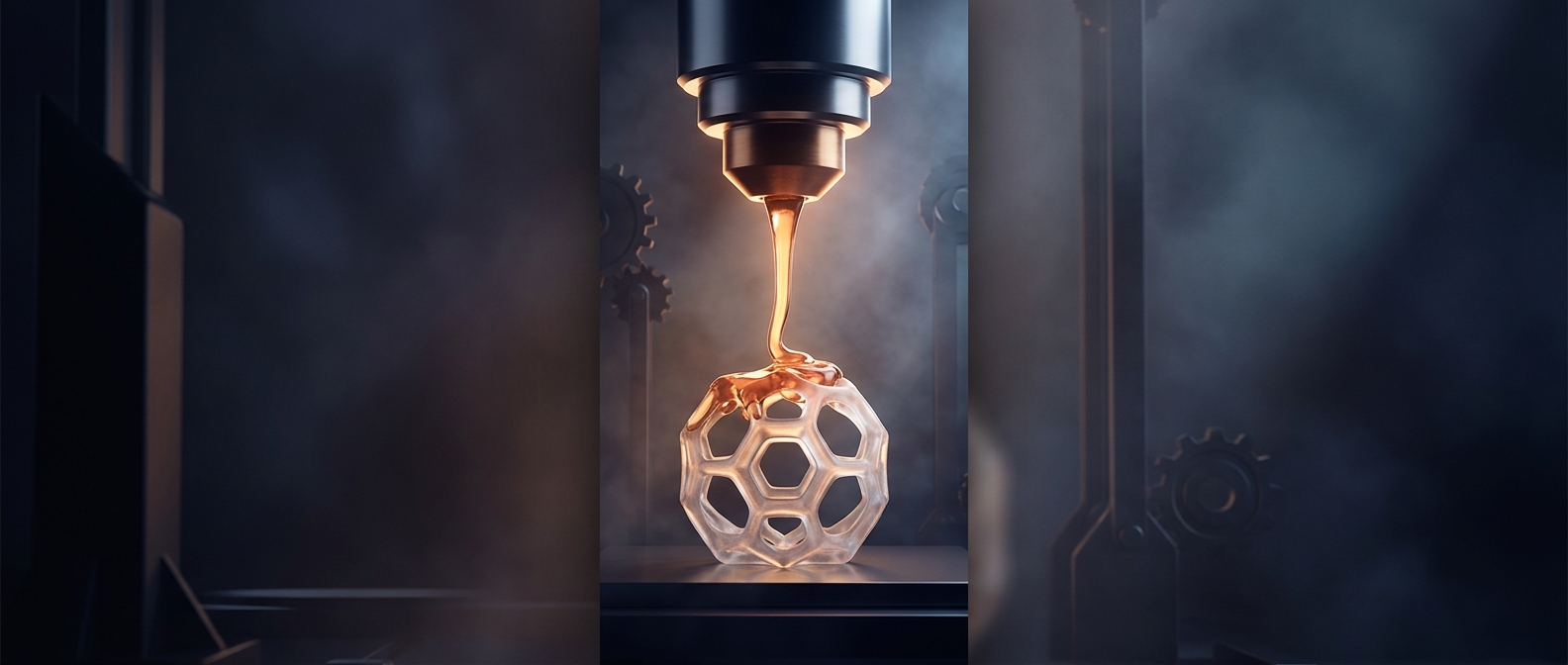
A space-based 3D printer turns a computer model into an object one thin layer at a time. In the printer aboard the International Space Station, plastic is heated until it softens, pushed through a small nozzle, and laid down along a programmed path. As each layer cools and hardens, it bonds to the one beneath it.
That process changes what “spare parts” can mean. Instead of launching every possible wrench, bracket, or replacement component in advance, a crew can keep approved designs as digital files and make certain items when needed. The file is only a blueprint, though: it must describe an object the printer can make, and the finished part must be suitable for its intended job.
Why printing in orbit takes special care
On Earth, gravity helps keep loose materials and objects in place. In orbit, the station and everything inside it are in continuous free fall, so gravity provides almost no useful settling force. A printer cannot simply rely on a part staying put because of its weight. The machine therefore controls the material and print area, while its software guides the nozzle through the planned layers.
Microgravity also makes the finished object’s performance an important question. A tool that looks right may not be strong enough for a particular task, and printed plastic is not a substitute for every metal or precision part. Design, material, and intended use all limit what is sensible to produce in orbit.
A different kind of supply chain
Printing does not eliminate resupply: crews still need the printer, its feedstock, and designs for the objects they may require. But digital files take up little room compared with a stock of physical items, and a locally made tool can reduce dependence on having that exact object aboard already. The practical shift is from carrying every possible tool to carrying the means—and the knowledge—to make some of them when a need arises.