The Pinsetter Separates Fallen Pins From the Ones Still Standing
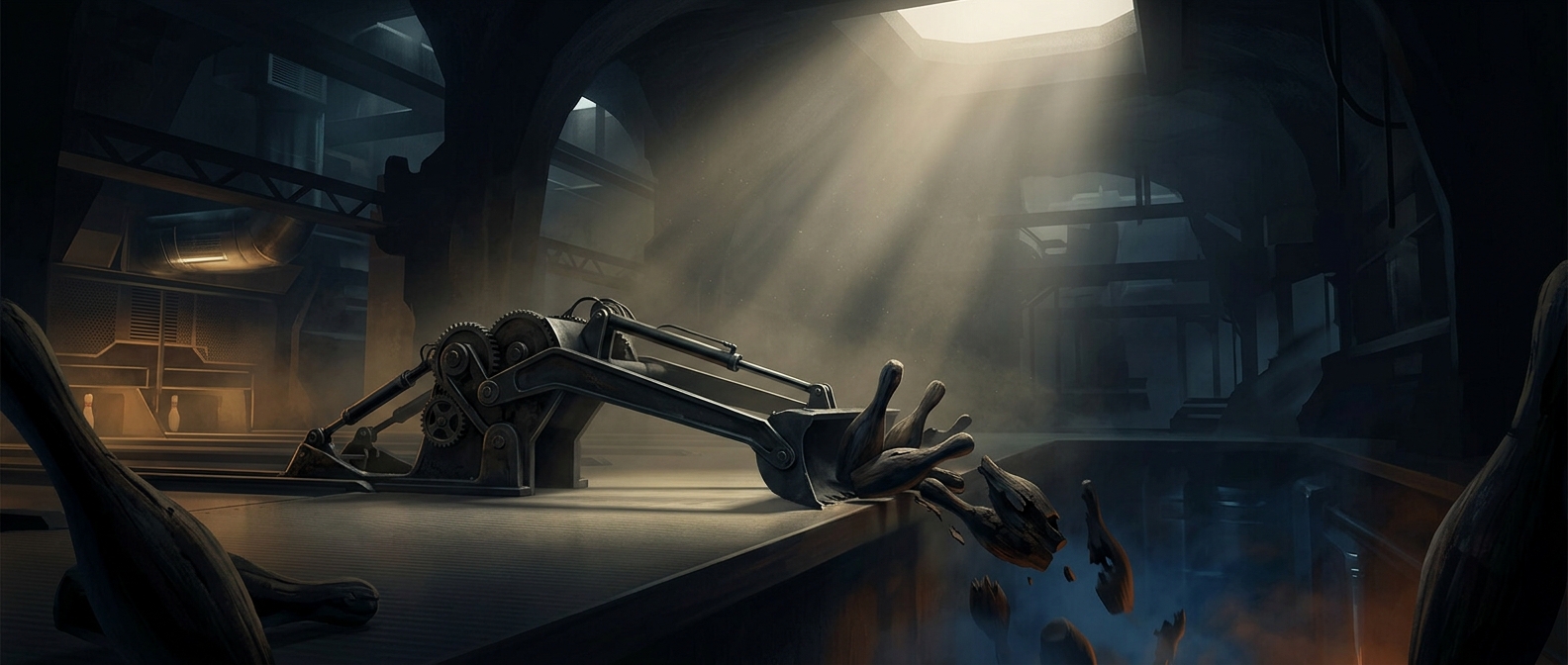
After a ball hits, the machine has to clear the pins that fell without disturbing any that remain upright. A broad sweep drops in front of the standing pins, acting as a barrier while pushing fallen pins toward the pit behind the lane. It also clears “deadwood”—fallen pins that could otherwise interfere with the next delivery.
That distinction matters after the first ball of a frame. If pins remain standing, they stay in place for the bowler’s second shot; only the fallen pins are removed. After the frame ends, the machine clears the remaining pins too, preparing the lane for a fresh rack.
From the Pit Back to the Lane
In the pit, pins are gathered and fed into an elevator. The elevator raises them to a sorting rack, which organizes them so the machine can send the needed pins back to their assigned spots. The system is not simply dumping a pile back onto the lane: it has to deliver pins in a controlled way and place them accurately enough for the next setup.
The sweep and elevator divide the work. The sweep clears the playing surface; the elevator and rack handle the pins’ return. Meanwhile, the bowling ball is routed toward its own return path. What looks like one quick cleanup is a small traffic system, keeping pins and ball moving through separate routes so the lane is ready again within seconds.