The tiny oscillator that keeps time
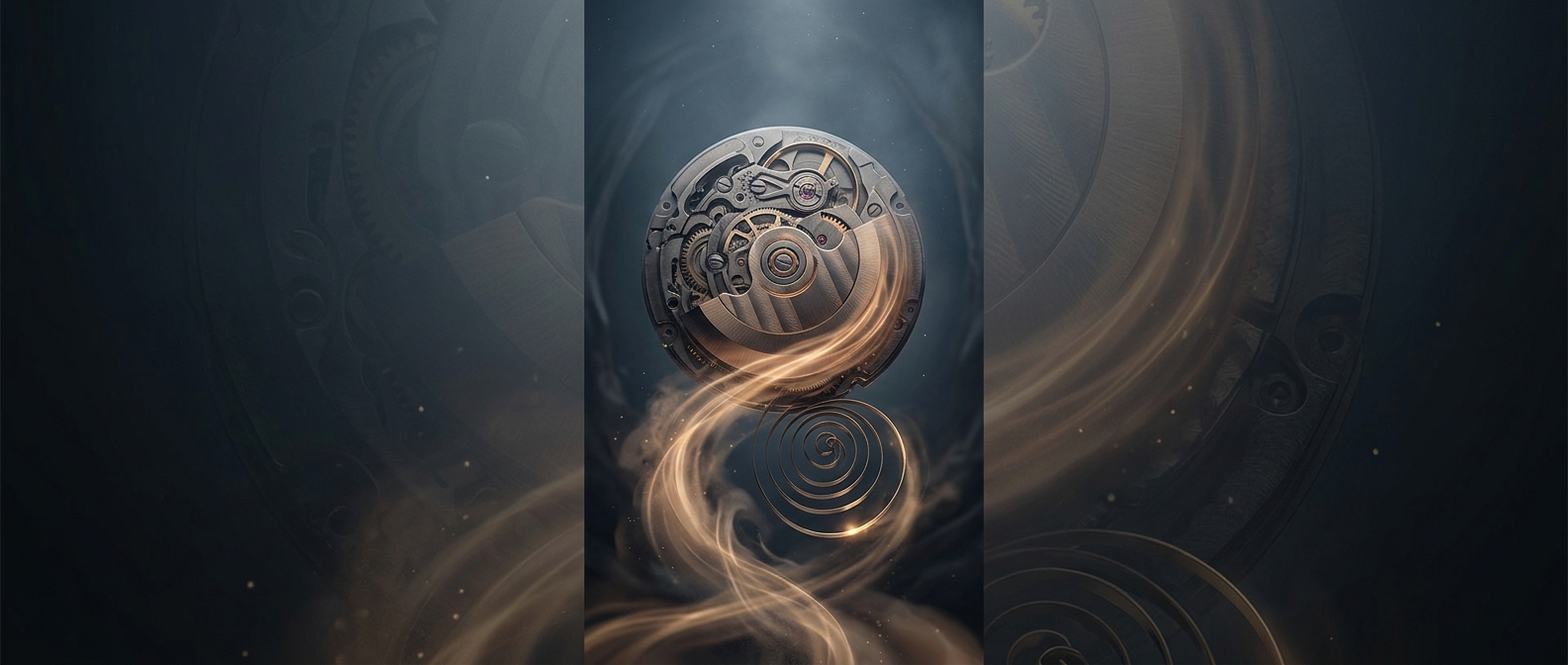
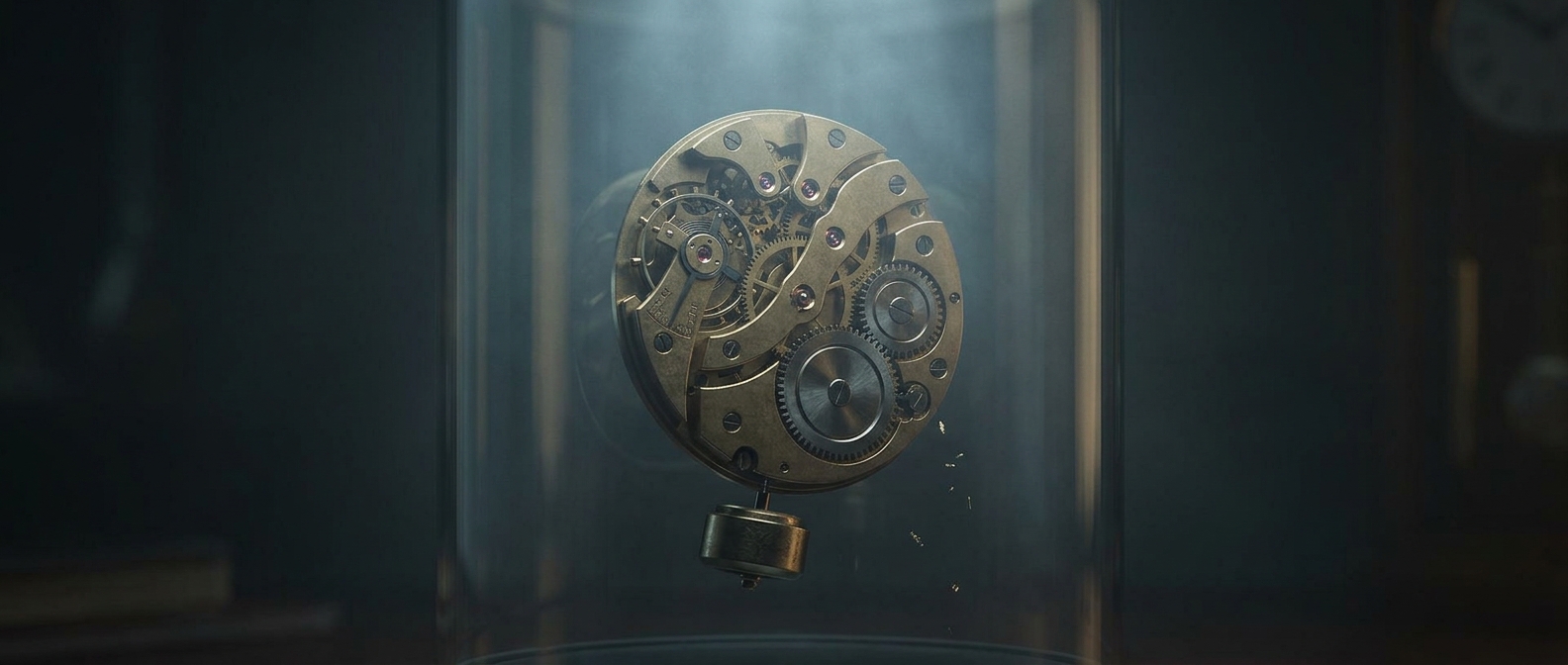
A mechanical watch measures time by counting the repeated swings of a balance wheel, a small wheel that rocks back and forth against a coiled spring. The escapement—the mechanism that releases the gears in small steps—keeps those swings going and turns them into the steady motion of the hands.
For accurate timekeeping, each swing needs to take nearly the same amount of time. But the balance wheel and spring are moving parts, not an ideal clockwork abstraction. Gravity can affect how they behave when the watch is held in different positions.
Why position changes the rate
Turn a watch from face-up to edge-on, and gravity acts on its parts from a different direction. It can slightly change friction at the balance wheel’s pivots, while the hairspring’s shape and motion may also vary with position. Those small changes can make the balance swing a little faster or slower. A faster rhythm makes the watch gain time; a slower one makes it lose time.
Wrist movement changes the watch’s orientation repeatedly, so the rate can shift throughout the day. The effect is not simply that motion makes a watch inaccurate: the positions it spends time in, along with the movement’s construction and condition, all matter. A watch might run slightly fast in one position and slightly slow in another, with the differences partly offsetting each other.
Built to reduce the difference
Watchmakers adjust and test movements in different positions, and careful construction can limit positional variation. Some designs use a rotating cage called a tourbillon to continually change the balance assembly’s orientation, averaging certain position-related effects. It does not make a watch immune to every source of error, but it illustrates the central challenge: keeping a tiny oscillator regular while gravity keeps changing its relationship to the parts.
That is why a mechanical watch can keep time well overall yet show a small daily gain or loss—and why leaving it in a different position overnight can sometimes change what the owner sees the next morning.