Why the Snooze Became Nine Minutes
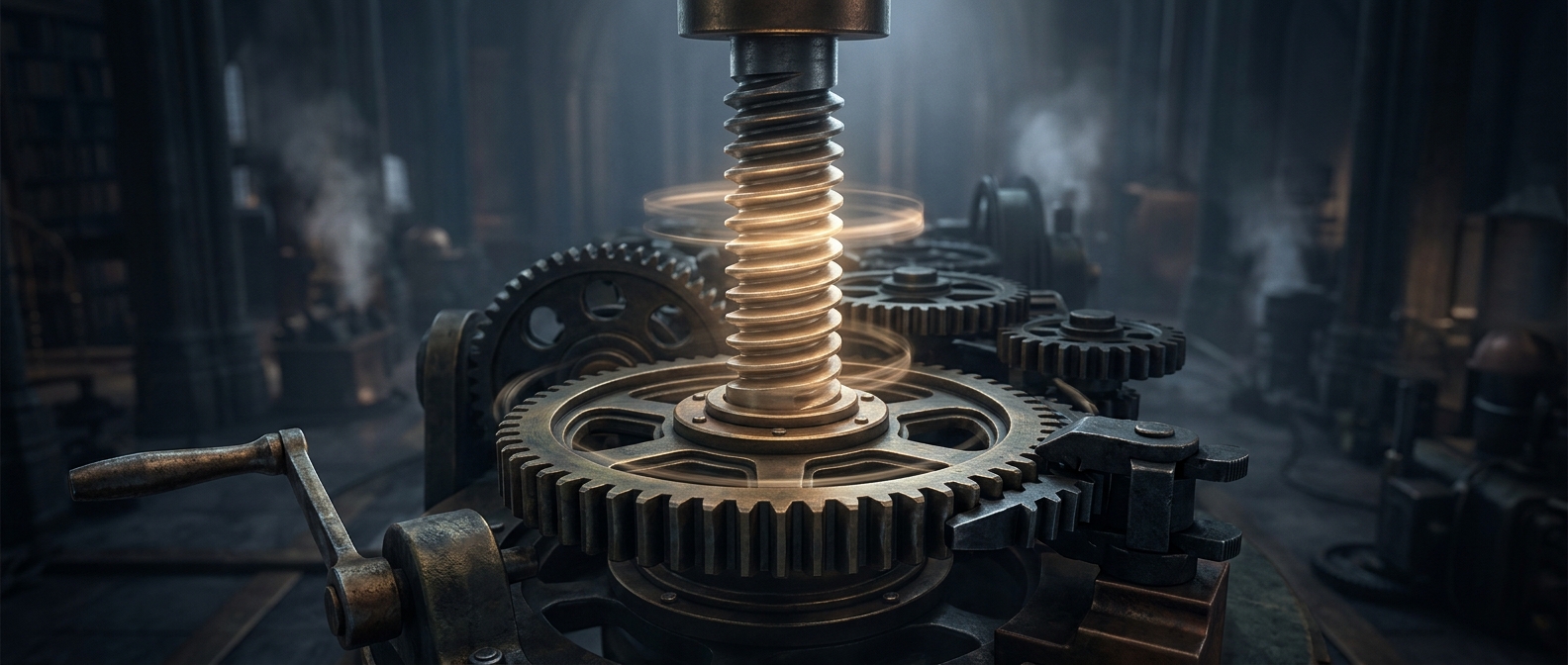
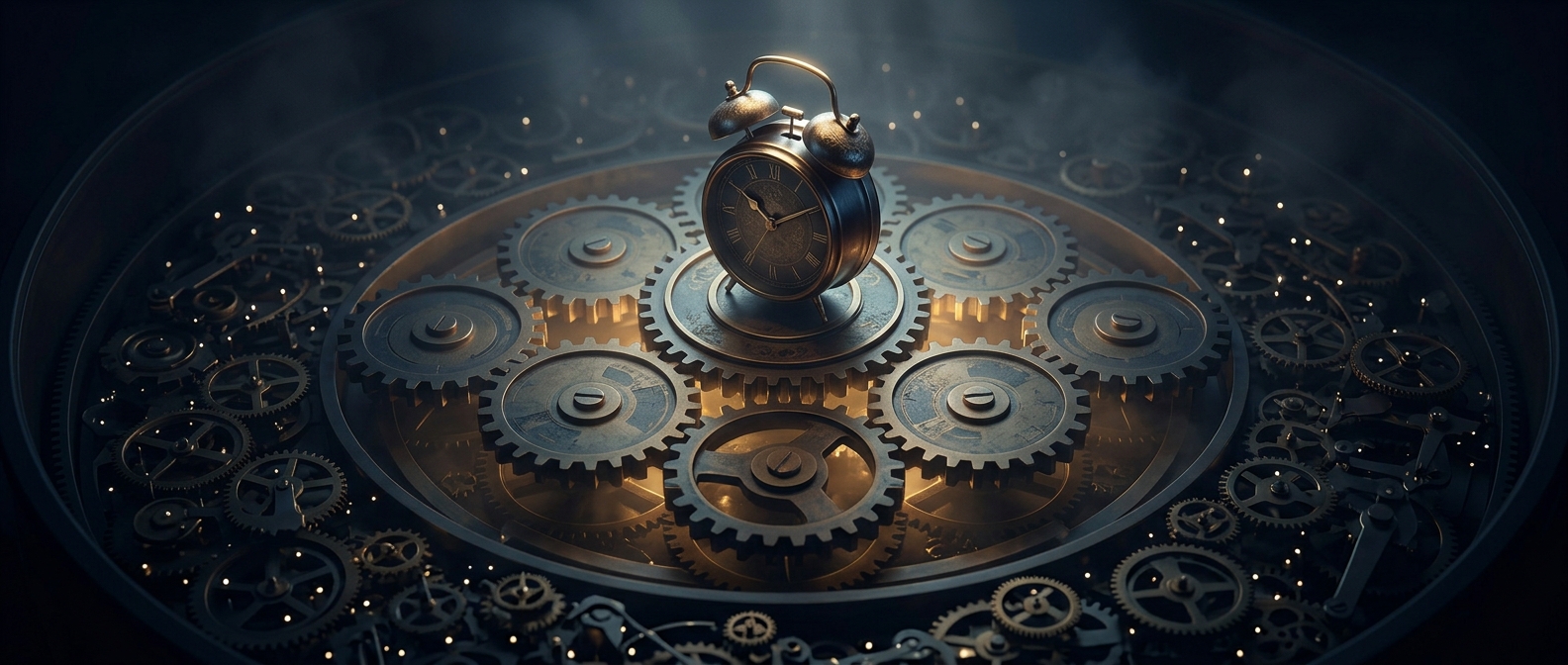
The familiar nine-minute snooze is a legacy of mechanical clockwork. In a mechanical clock, gears transfer motion at fixed ratios: each gear’s teeth determine how quickly another gear turns. Setting a repeat alarm meant designing a mechanism that could move the alarm trigger forward by a chosen interval, then ring again.
A nine-minute delay fit the gear arrangements used in early snooze mechanisms more readily than a clean ten-minute interval. The number was a practical result of how the clock’s parts could be made to move—not a duration chosen to match a stage of sleep. It was never a measurement of how long people need to become alert.
A Mechanical Quirk Becomes a Standard
Once clocks offered a dedicated snooze control, nine minutes became a familiar convention. Later, electronic clocks and phones could count out ten minutes—or almost any interval—without relying on the same physical gear train. But manufacturers often kept nine minutes because people already recognized it as the default.
That persistence is the surprising part: a small constraint in clock design outlived the machinery that helped create it. The next time an alarm offers nine minutes, the setting is echoing the logic of gears, not the rhythms of the sleeper.