The Pressure Difference That Moves the Flap
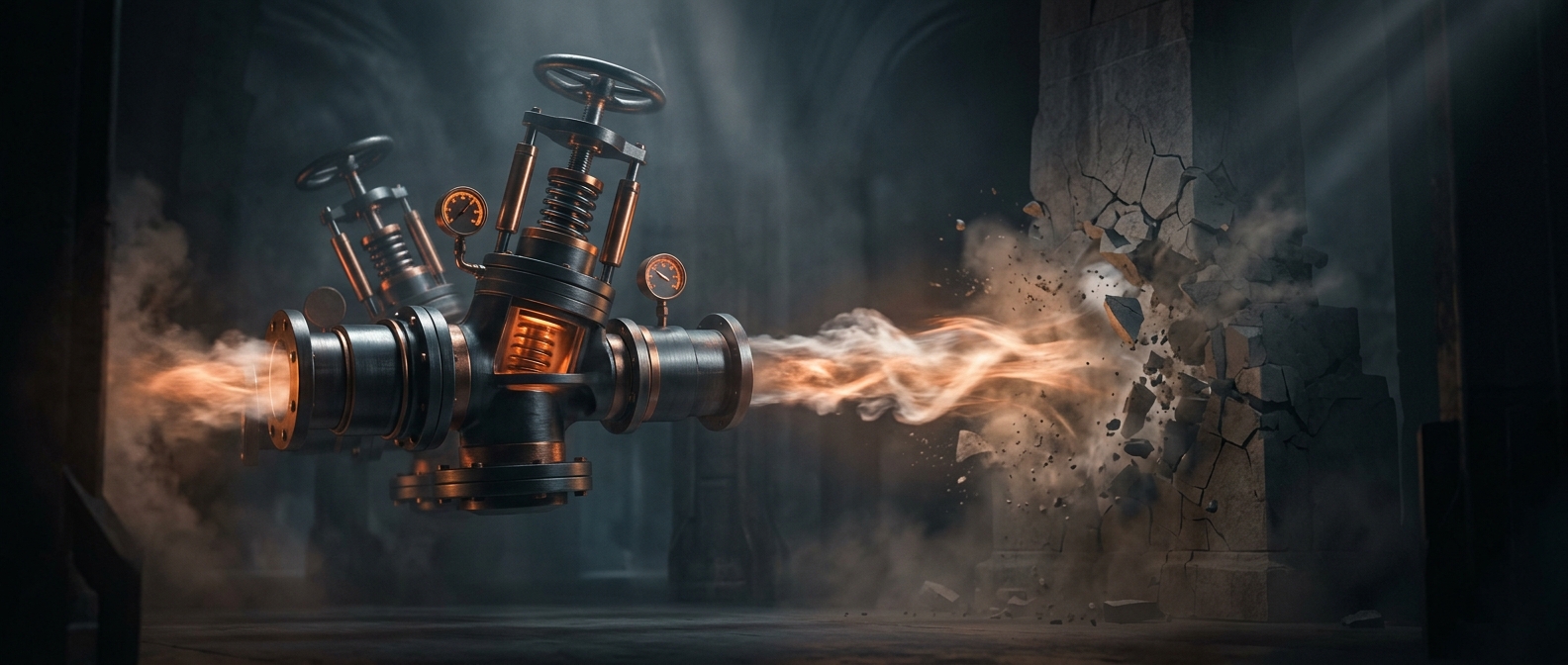
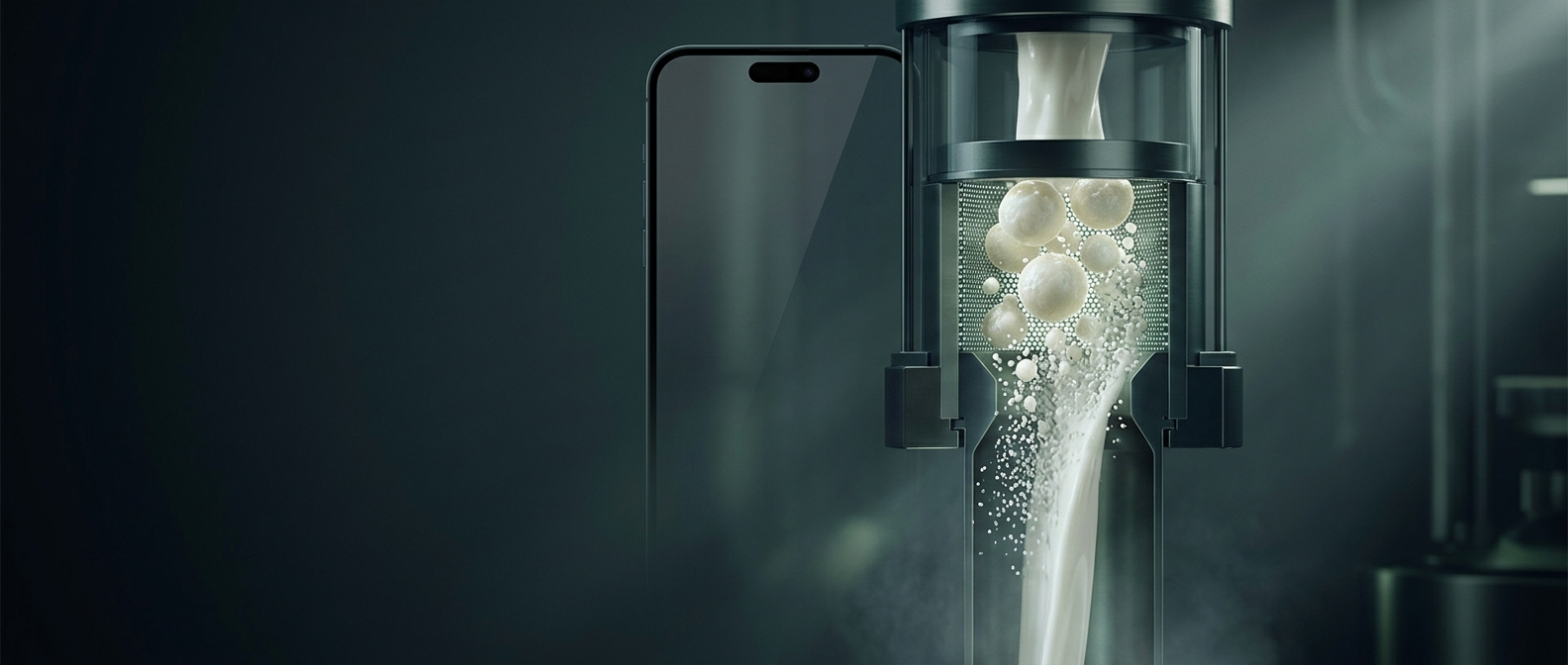
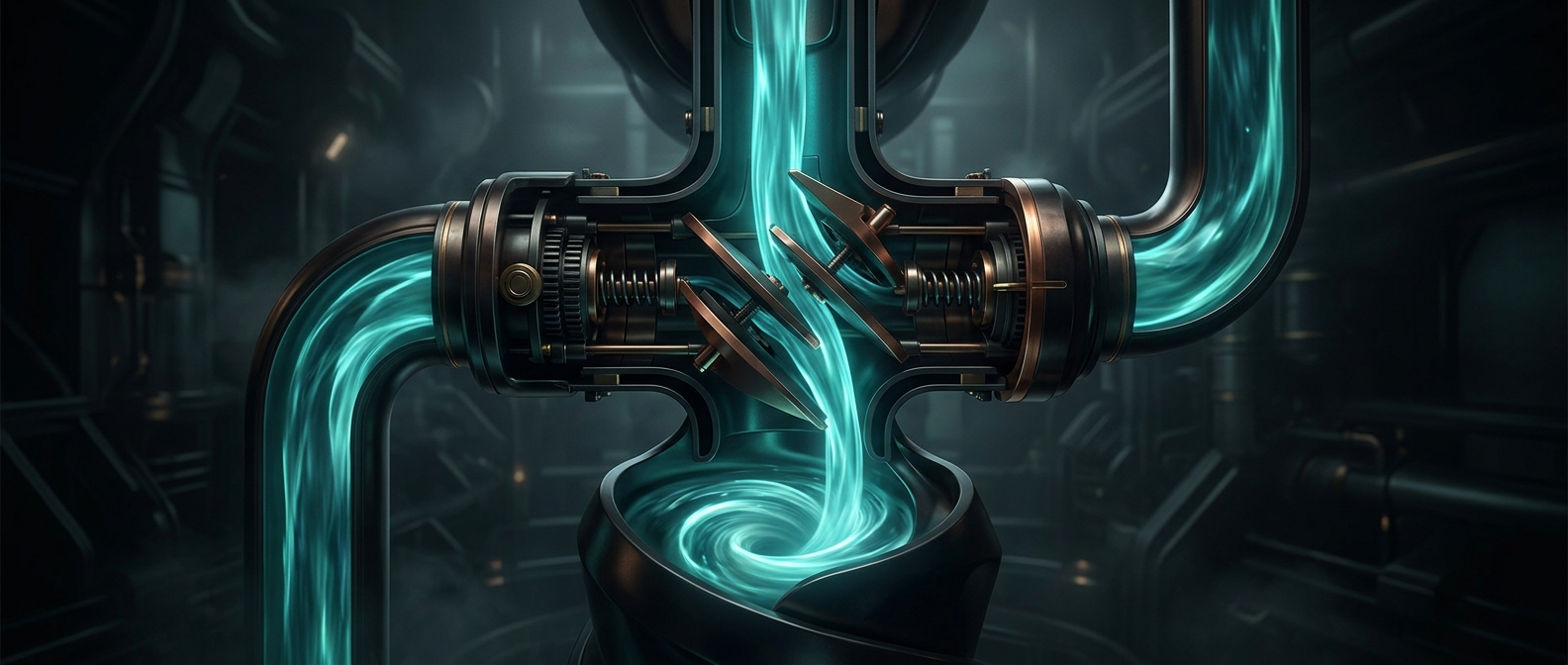
Inside a spring-loaded check valve, a flap or disc rests against a shaped opening called a seat. The spring presses it closed. Fluid can pass only when pressure on the inlet side becomes strong enough to overcome both the spring’s push and the pressure on the outlet side. That minimum opening threshold is called the valve’s cracking pressure.
Once the flap lifts, fluid flows through the opening. If the pressure difference weakens or changes direction, the spring pushes the flap back onto its seat. The seal interrupts the reverse path, rather than relying on a person or a powered control system to shut a separate handle.
Why the Spring Matters
A check valve without a spring may depend on gravity or the flow itself to bring its moving part back into place. A spring-loaded design can close in different orientations and respond when forward flow slows, though its spring also adds resistance: a pump must create enough pressure to open the valve and keep fluid moving.
That tradeoff matters in systems where reverse flow could drain a line, spin a pump backward, or let fluid from one section push into another. The valve acts automatically, but it is not a pump or a shutoff for deliberate control: it opens only under the right pressure conditions and seals only as well as its flap and seat allow.