The air does work in pulses
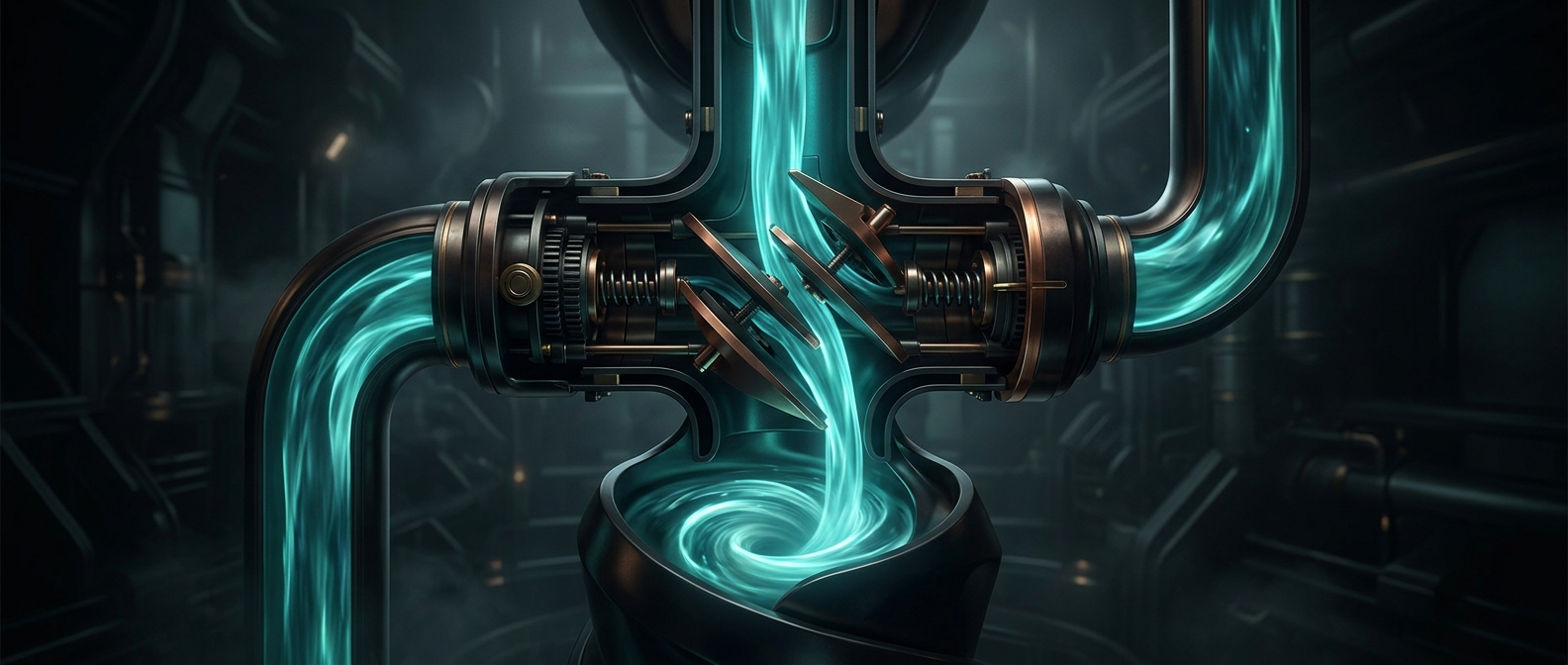
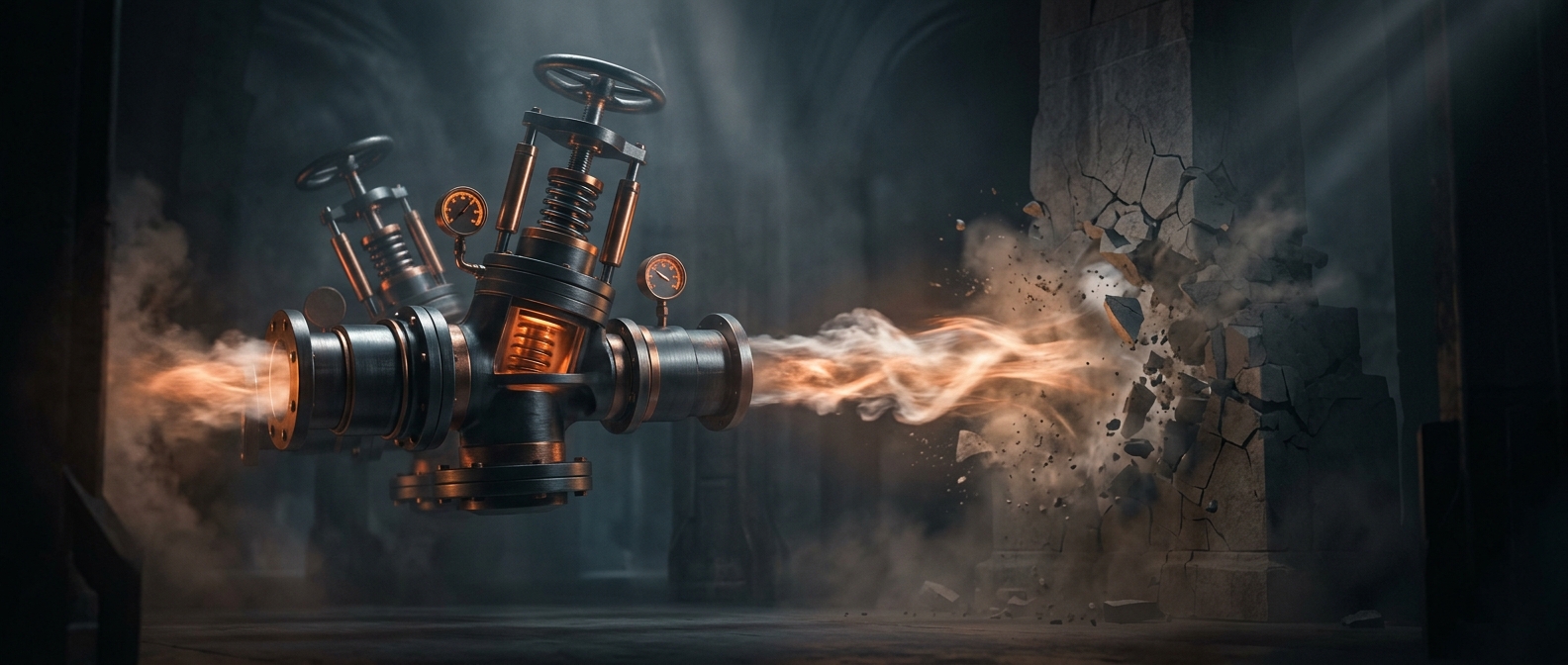
A pneumatic jackhammer is not simply a stream of air pushing on a chisel. Compressed air supplies energy to a moving piston inside the tool. An internal valve directs that air first to one side of the piston and then the other, making the piston shuttle rapidly through its cylinder.
On the working stroke, the piston hits the steel tool—often called a bit or chisel. The brief collision sends a strong shock through the bit into concrete or rock. That concentrated impact helps crack the material; the operator mainly guides the tool and keeps its tip in position.
Why the cycle keeps repeating
The piston’s movement also helps shift the valve, changing which side receives pressurized air. Air that has already pushed the piston is released through exhaust ports, leaving room for the next stroke. The repeated alternation turns a steady supply from a compressor into a succession of blows.
The bit is not meant to remain rigidly trapped in the broken material. It needs to move slightly between impacts so the next blow can land, while the operator’s downward pressure keeps it engaged with the surface. As cracks spread and fragments loosen, the bit can bite into fresh material.
The compressor is part of the tool
Because each blow uses compressed air, the jackhammer must stay connected to a compressor by a hose. The compressor’s job is to replenish the air the tool exhausts; without that continuing supply, the piston cannot sustain its rapid cycle. The result is a useful division of labor: the compressor provides energy at a distance, while the handheld machine converts it into repeated impacts right at the point of demolition.