Why a Door Can Become a Test of Timing
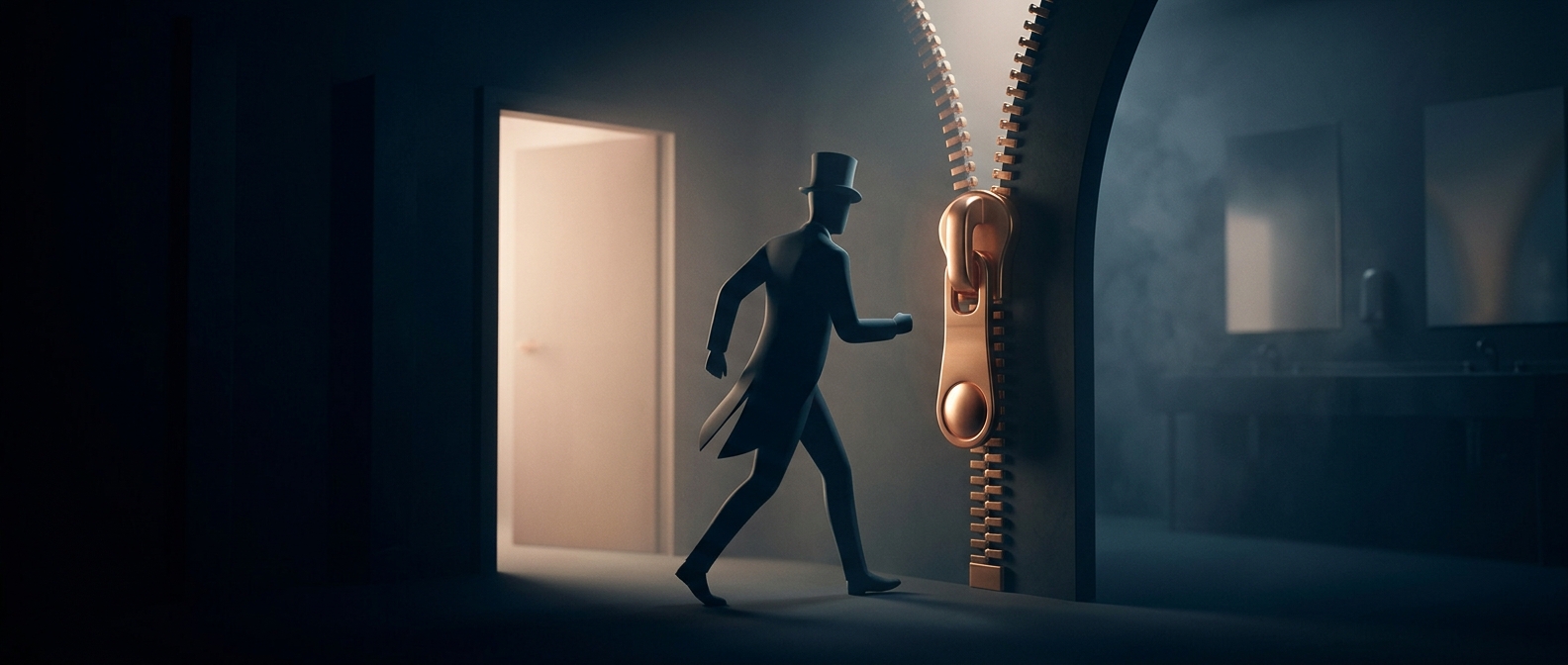
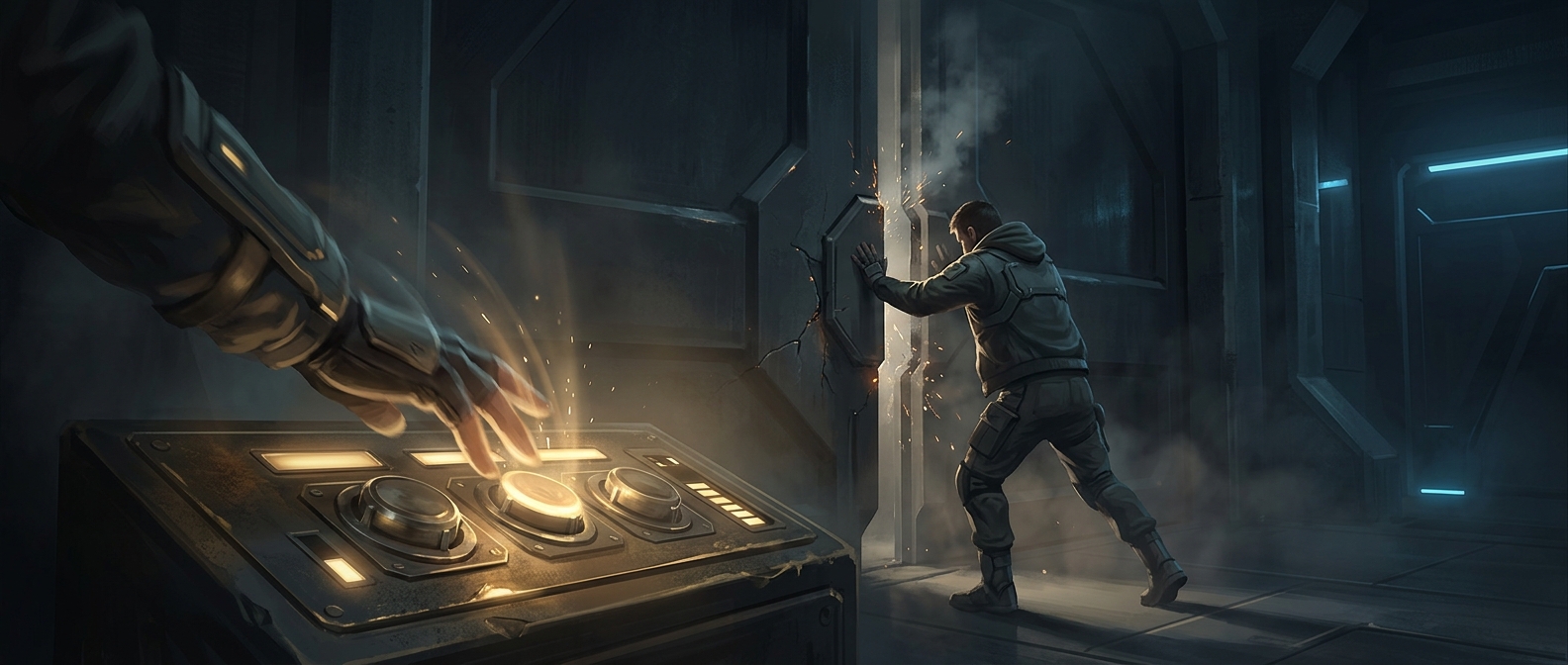
A quick time event interrupts ordinary play with a brief instruction: press a button, tap repeatedly, or react before a prompt expires. For a door-opening sequence, the game can translate effort into inputs. Each successful press adds progress; stop too soon, and the character may fail to force the door open before the opportunity closes.
That turns a familiar action into a small real-time challenge. Instead of watching a character perform a fixed animation, the player has to keep supplying input while the scene unfolds. The door’s resistance is represented not by a physical force the player can feel, but by a rule: keep pressing until the game’s progress requirement is met.
The Design Tradeoff Behind the Prompt
Repeated button presses make the action immediately understandable, even if the player has no time to learn a more elaborate control scheme. The short deadline also concentrates attention on the moment, which can make a routine interaction feel urgent. The game is effectively borrowing the player’s hands to reinforce what the character is doing on screen.
But the same design has a cost. When success depends mainly on pressing quickly, the challenge can feel like a test of speed or endurance rather than a meaningful choice. A prompt can also interrupt the normal flow of movement and combat. Its impact depends on where it appears and how much the outcome matters: forcing a door under pressure feels different from tapping through an obstacle with no consequences.
The door is therefore more than scenery. It gives the prompt a visible goal, while the countdown or repeated inputs make the player experience the delay between wanting to get through and actually getting through.