How a Stirling Engine Turns Heat Into Motion
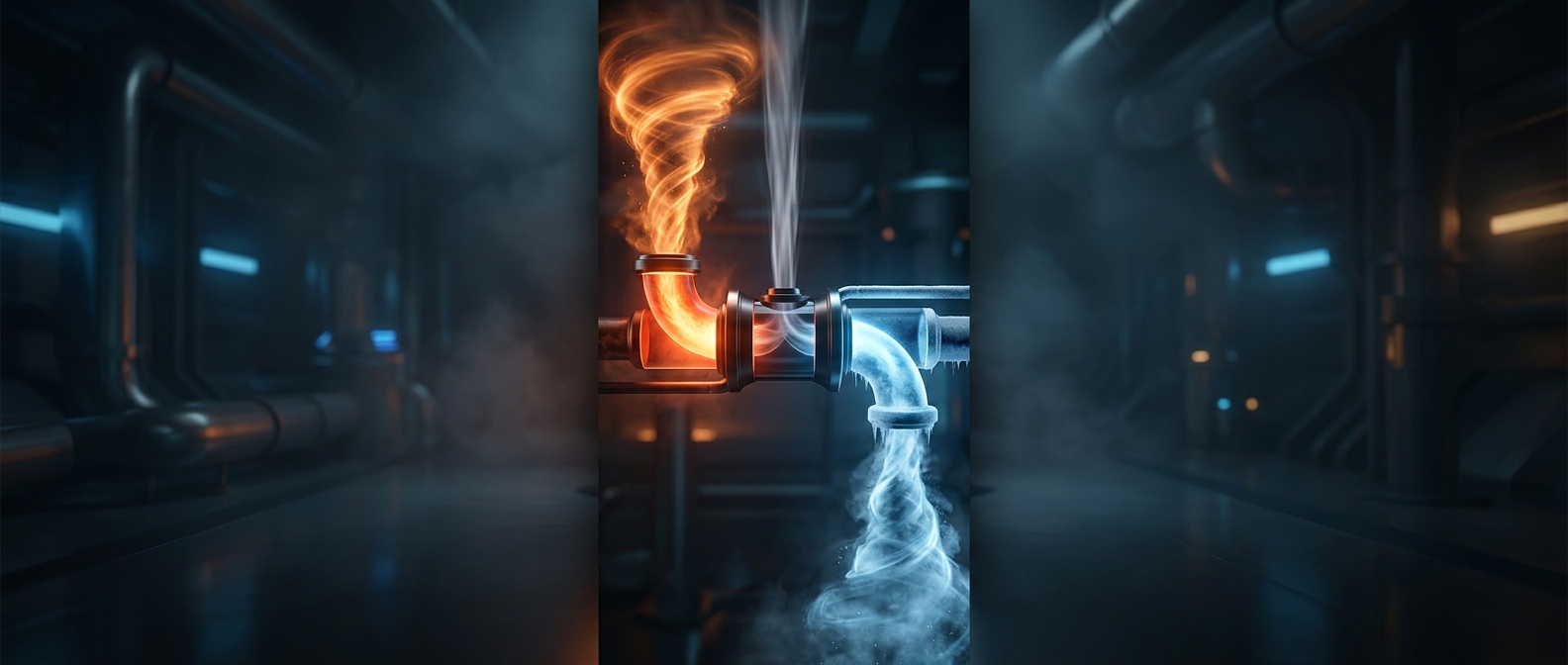
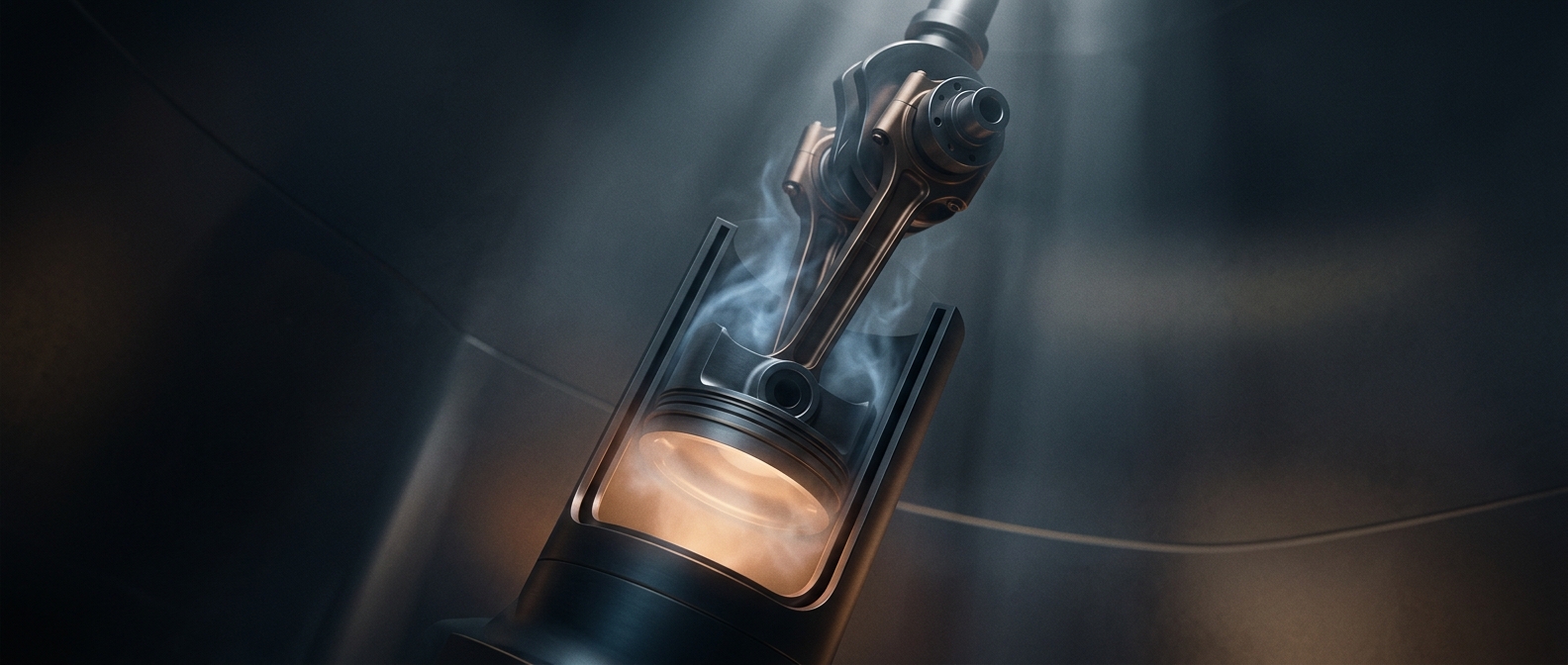
A Stirling engine does not burn fuel inside its cylinder. Instead, a sealed working gas—often air, hydrogen, or helium—cycles between a hot region and a cool one. Heating the gas raises its pressure; cooling it lowers the pressure. That changing pressure moves a power piston, which turns a crankshaft and produces rotary motion.
The gas is not simply heated and cooled in place. In many designs, a separate displacer shifts it back and forth between the hot and cold regions. The displacer guides the cycle, while the power piston captures the resulting pressure changes as useful work.
Why the Heat Source Is Separate
Because combustion happens outside the working gas, the engine can use heat from different sources: a burner, concentrated sunlight, or industrial waste heat, for example. The heat source warms one part of the engine, while cooling at the other end helps maintain the temperature difference that keeps the cycle running.
Many Stirling engines also use a regenerator: a porous material that temporarily stores heat as gas passes from the hot side to the cold side, then returns some of it on the way back. This reduces heat wasted during each cycle, though it adds design complexity.
The Practical Tradeoff
A Stirling engine can run smoothly and quietly because it has no repeated fuel explosions inside its cylinders. But it must transfer heat through solid engine walls, a process that can limit how quickly it responds or how much power it produces for its size. Its appeal is strongest where a steady external heat source and quiet operation matter more than rapid acceleration. The same sealed gas can keep circulating while the engine draws energy from a source that never enters the cylinder.