How a CVT changes its leverage
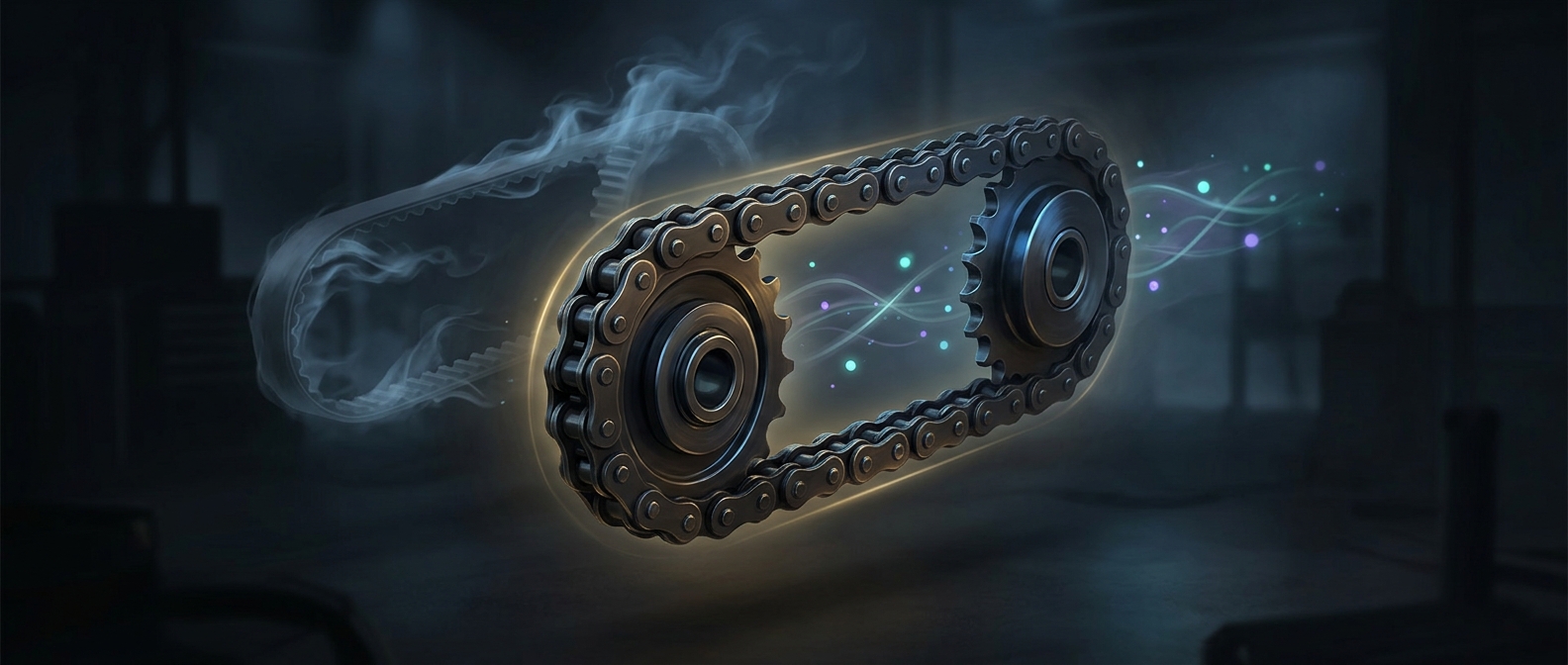
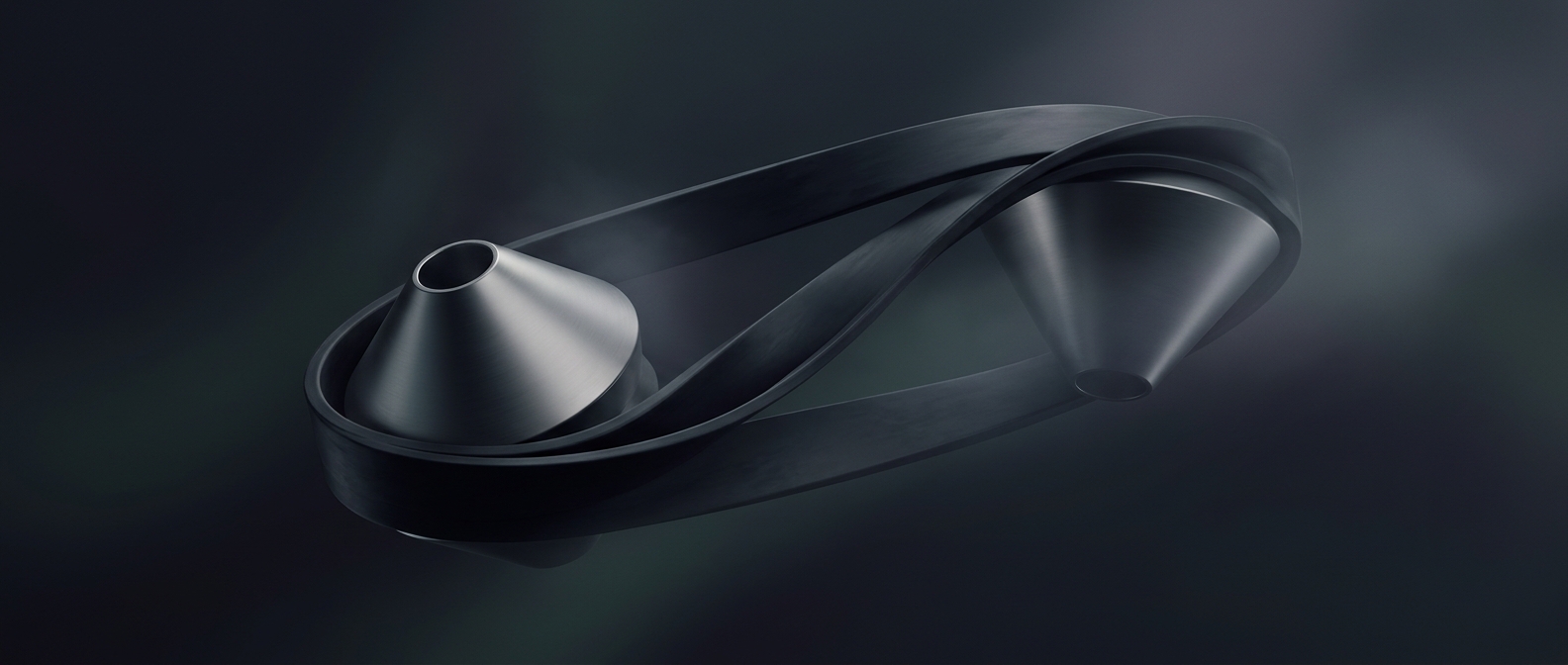
In a conventional automatic, each gear ratio comes from a particular arrangement of gears. A continuously variable transmission (CVT) instead uses two pulleys, each made of a pair of cone-shaped halves, linked by a strong belt or chain. The halves can move closer together or farther apart, changing the width of each pulley’s groove.
When the halves squeeze together, the belt rides farther out from the pulley’s center, like a bicycle chain moving onto a larger sprocket. When they separate, it settles closer to the center. The transmission changes both pulleys in coordination: one guides the belt outward as the other guides it inward. That alters how many turns the engine must make for each turn of the wheels, without a jump from one preset ratio to another.
Why smooth ratios matter
A CVT’s control system can choose a ratio suited to the driver’s demand. During hard acceleration, it can keep the engine near a speed where it produces useful power while the car continues gaining road speed. In gentler driving, it can use a ratio that lets the engine turn more slowly. Because the ratio does not have to step through a short list of gears, the engine may hold a steady pitch rather than rise and fall with each shift.
The tradeoff is that the belt-and-pulley system must grip firmly enough to carry the engine’s force without slipping. That requires carefully controlled pressure between the pulley halves, and the belt, pulleys, and fluid must be designed for the loads involved. The result is a transmission whose “gears” are not separate pieces at all: its effective ratio comes from where the belt runs on the pulleys at that moment.