Why a chain loses less power under load
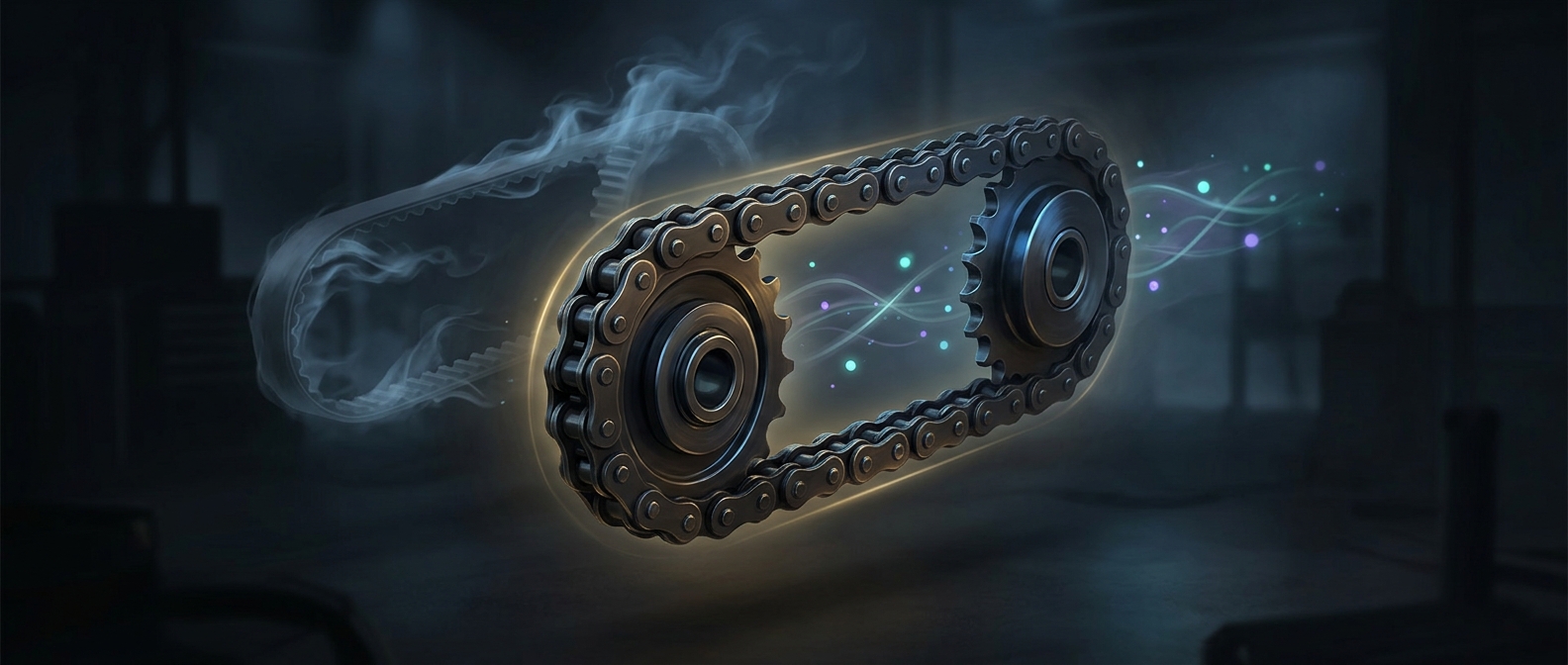
A motorcycle chain transfers force through a series of steel rollers that seat against the teeth of the sprockets. Because those parts mesh, the drive has a firm, direct connection: the rear sprocket turns as the chain pulls it around. A lubricating film reduces friction where the chain’s joints bend around the sprockets, while limiting metal-on-metal wear.
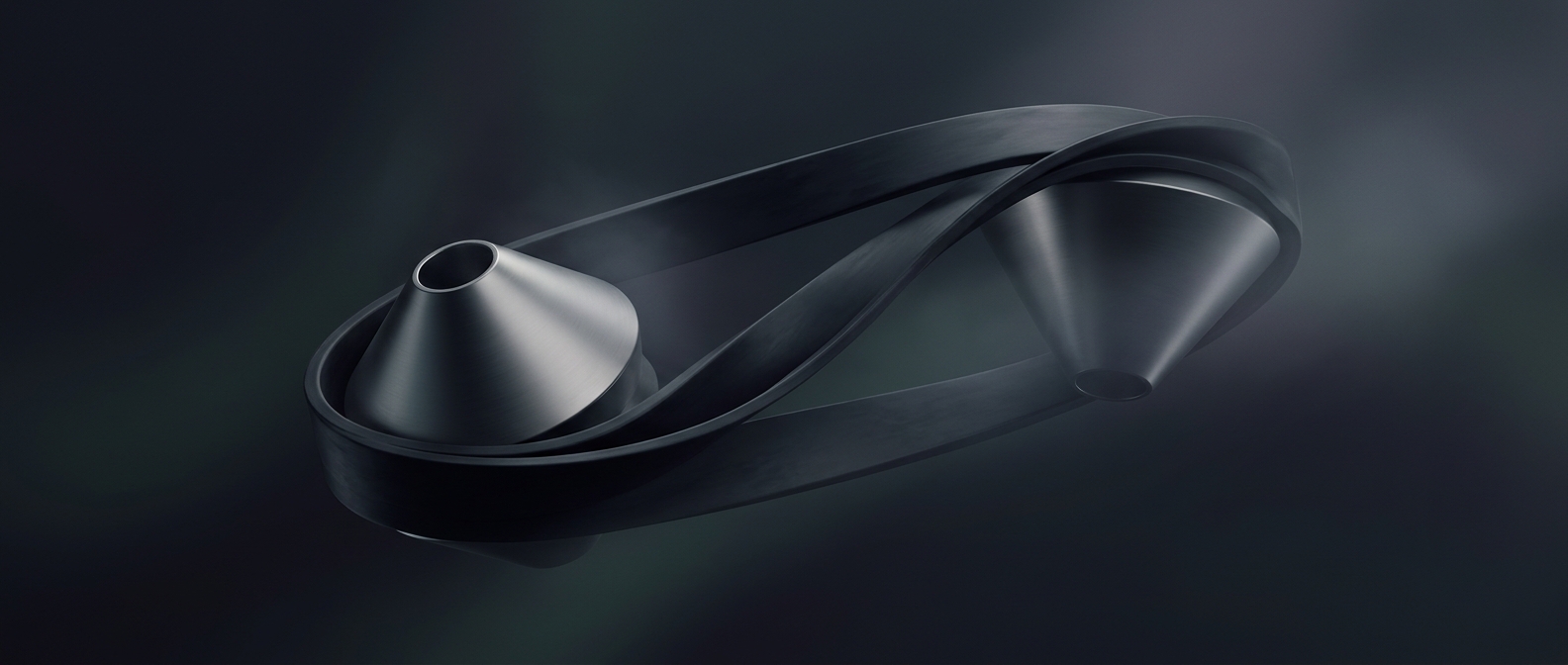
A belt drive works differently. Its flexible belt bends around pulleys and carries tension across the span between them. Under a sudden increase in engine torque, the belt can stretch or flex slightly; some energy is then dissipated as heat rather than reaching the rear wheel. The amount depends on the belt’s construction and how the drive is designed, so the difference is not simply “steel beats rubber” in every situation.
The tradeoff is in upkeep and feel
The chain’s efficiency comes with moving joints that need the right tension, alignment, and lubrication. Neglect can increase friction and wear, eroding the advantage. A belt avoids routine lubrication and usually runs more quietly, but its flexibility can make the connection feel less immediate when the rider opens the throttle hard.
That is why a chain is common when direct power transfer is the priority, while a belt can suit riders who value quieter, lower-maintenance operation. The practical difference is a trade: the chain asks for regular attention in exchange for a taut mechanical link between engine and wheel.