How a seed’s hooks became a fastener
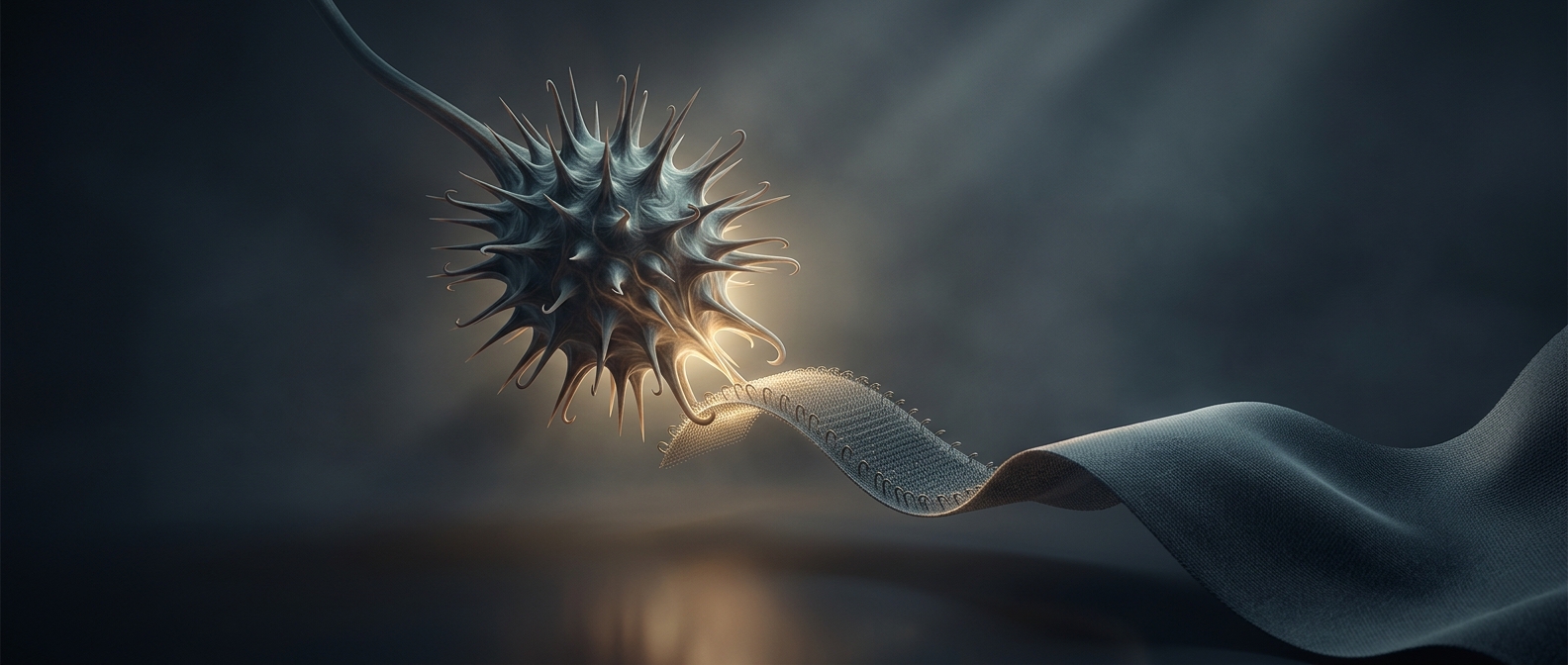
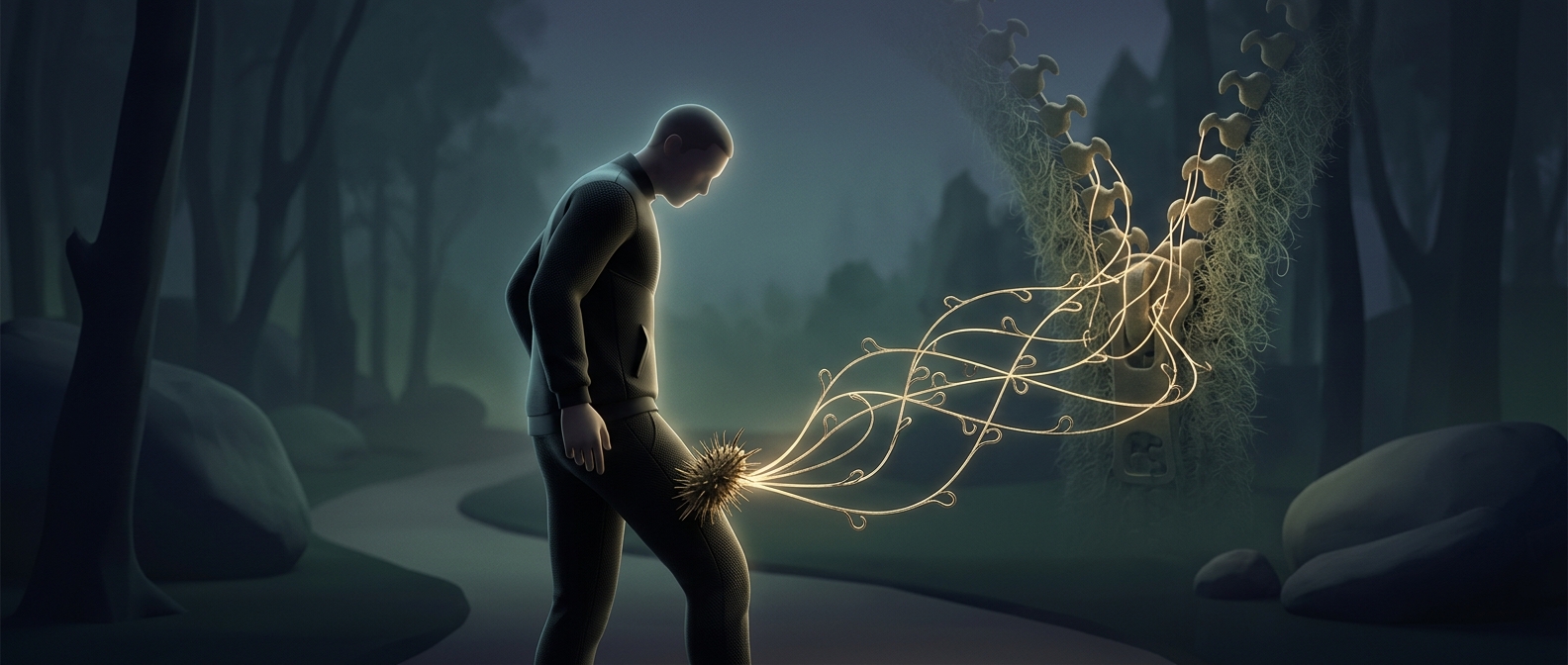
The useful idea was not simply that burrs stick. It was how they stick: each burr carries tiny hooks that catch on loose fibers. Pulling the two surfaces apart releases those hooks, so the attachment can be opened and closed without glue or a buckle.
Swiss inventor George de Mestral examined burrs that had caught in his dog’s coat and saw the same hook-and-fiber interaction under a microscope. He set out to reproduce it with fabric: one surface would carry hooks, the other soft loops. Together, they would form a fastener that could be pressed shut and peeled apart.
Turning the pattern into fabric
Nature supplied the geometry, but manufacturing it consistently was the hard part. A useful fastener needed many small hooks that stayed upright, plus a looped surface that gave them something to catch. De Mestral developed the design using synthetic fibers, which could be shaped into durable, repeatable structures.
The result is commonly called a hook-and-loop fastener; Velcro is a brand name for this kind of product. Its familiar rip comes from thousands of hooks disengaging from loops at once. The same simple mechanism lets the strips be reused, while the strength of the hold depends on how much of their surfaces is pressed together.