A burr turned an annoyance into a design clue
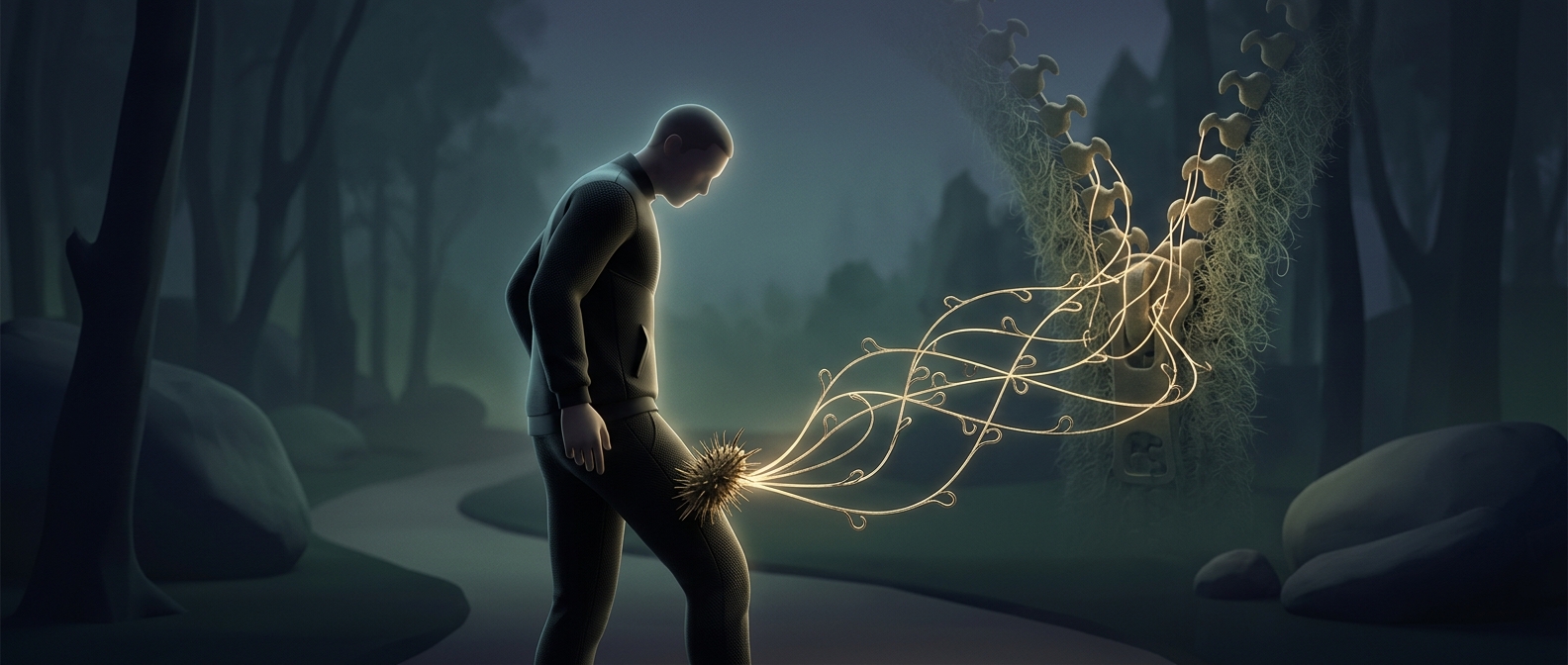
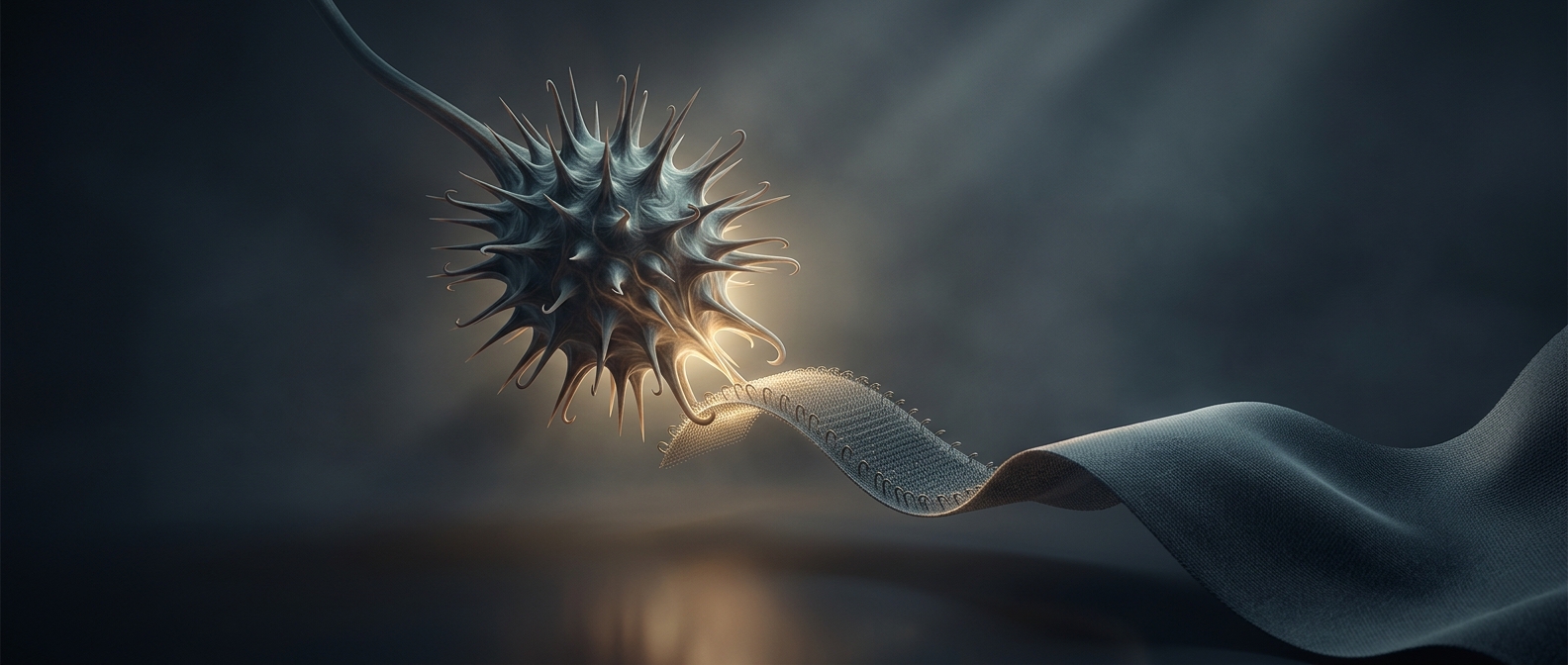
In 1941, Swiss engineer George de Mestral returned from a walk with burrs stuck to his clothes and his dog’s fur. Instead of simply pulling them off, he examined one closely. The burr’s surface was covered in small hooks that snagged on the loops in fabric and hair. The useful idea was not merely “make something sticky,” but create two surfaces that could grip mechanically and then come apart again.
Recreating the catch-and-release
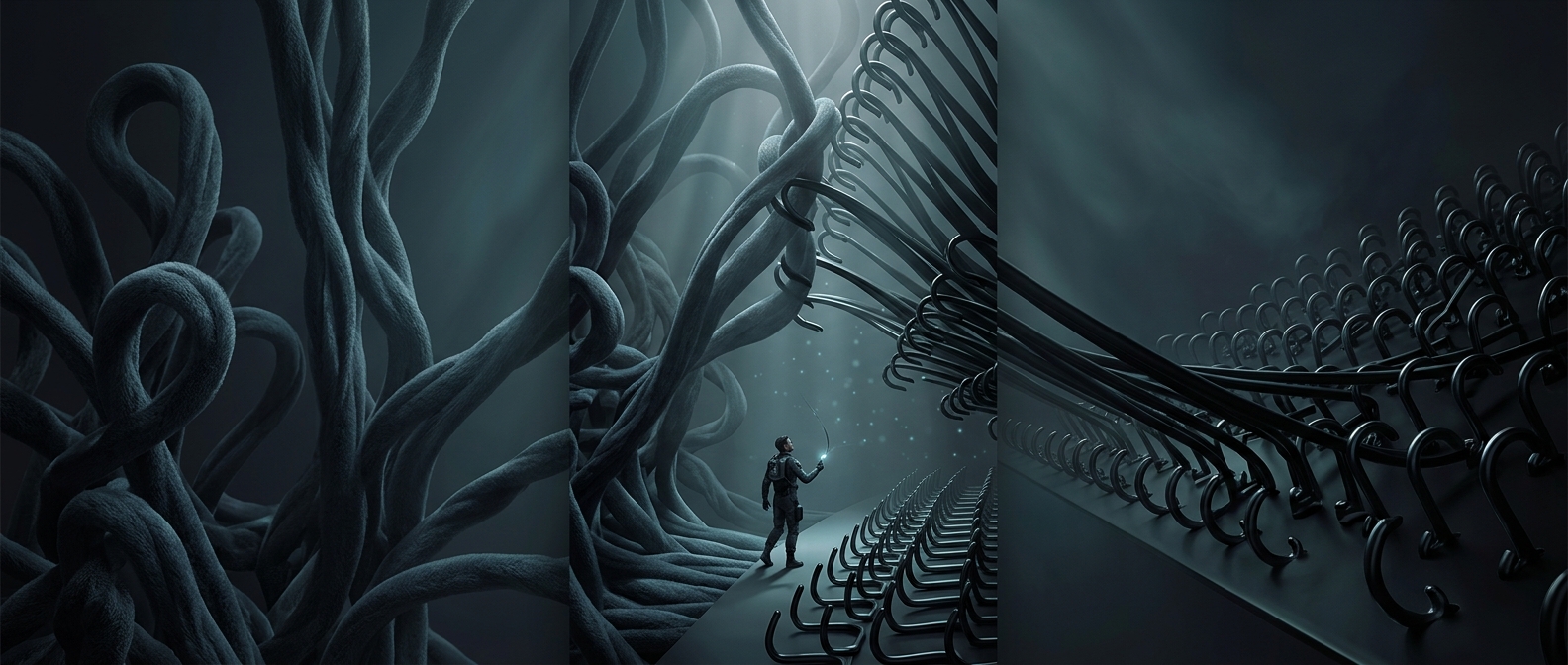
De Mestral set out to imitate that structure with manufactured materials. One side carries many tiny hooks; the other has loops. Press the surfaces together and hooks catch loops, holding the pair in place. Pull them apart and the loops release, ready to catch again. Unlike glue, the fastening does not depend on a wet adhesive, so it can be opened and closed repeatedly.
Turning the observation into a reliable product took years of development. The challenge was making small, consistent hooks and loops that would hold firmly without becoming impossible to separate. De Mestral patented the fastening in 1955 and named it Velcro, a blend of the French words for velvet and hook. Velcro is a brand name; “hook-and-loop fastener” describes the design itself.
Why the natural model mattered
A burr’s hooks are effective because they catch on structures that already exist; they do not need to pierce or glue themselves to them. That same simple arrangement makes hook-and-loop fasteners useful wherever a closure needs to be adjustable, reusable, and easy to open. The next time a fastener peels apart with that familiar rasp, it is replaying a tiny botanical trick on a manufactured surface.