Why a Remote Dies on the Button Press
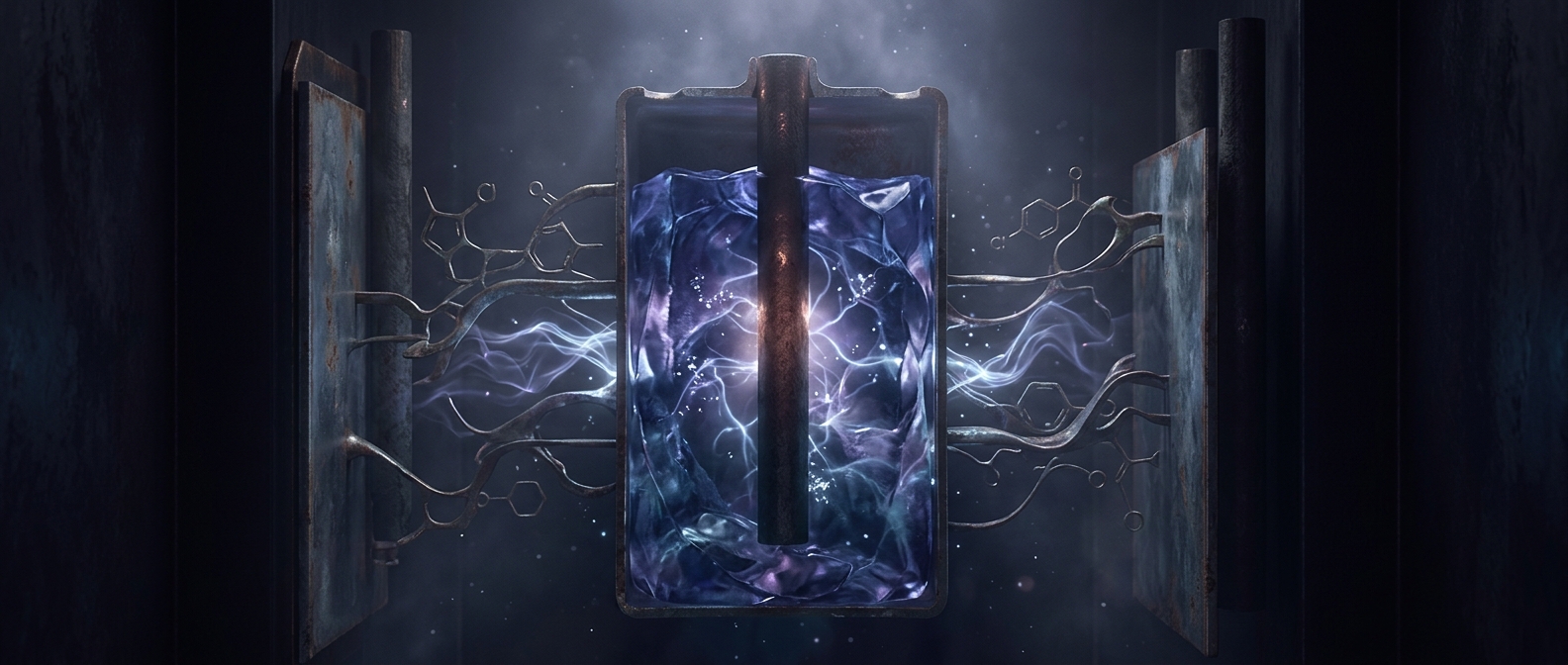
A household alkaline battery usually does not go from full to empty in an instant. As its chemical materials are used up, its voltage gradually falls, and the battery becomes less able to deliver a burst of current. The cells are alkaline, not acidic: their chemistry uses an alkaline electrolyte to move charged particles between the electrodes and power the circuit.
A remote can keep working as that voltage declines—until it drops below what the remote’s electronics need. Pressing a button makes the remote send a brief infrared signal, and that pulse draws more current than the remote uses while idle. In an aging battery, the voltage can dip during that burst, just enough for the circuit to miss a command or stop transmitting reliably.
The Failure Feels Sudden
Because the remote works one moment and fails on a particular press, the cutoff feels abrupt even though the battery has been weakening for a while. The last bit of charge may also seem to return after a pause: with no button press, the battery is under less strain, so its voltage can rebound somewhat. That does not mean it has recovered its capacity; the next signal may make it falter again.
The timing is memorable for another reason. People tend to notice a dead battery when they are trying to use the device, especially when they do not want to get up and replace it. The battery did not choose that moment; the press simply exposed how little margin remained. A remote may still light up or respond intermittently, but a fresh pair of batteries can be the difference between a signal that reaches the TV and one that never leaves the couch.