The battery’s metal can is part of the circuit
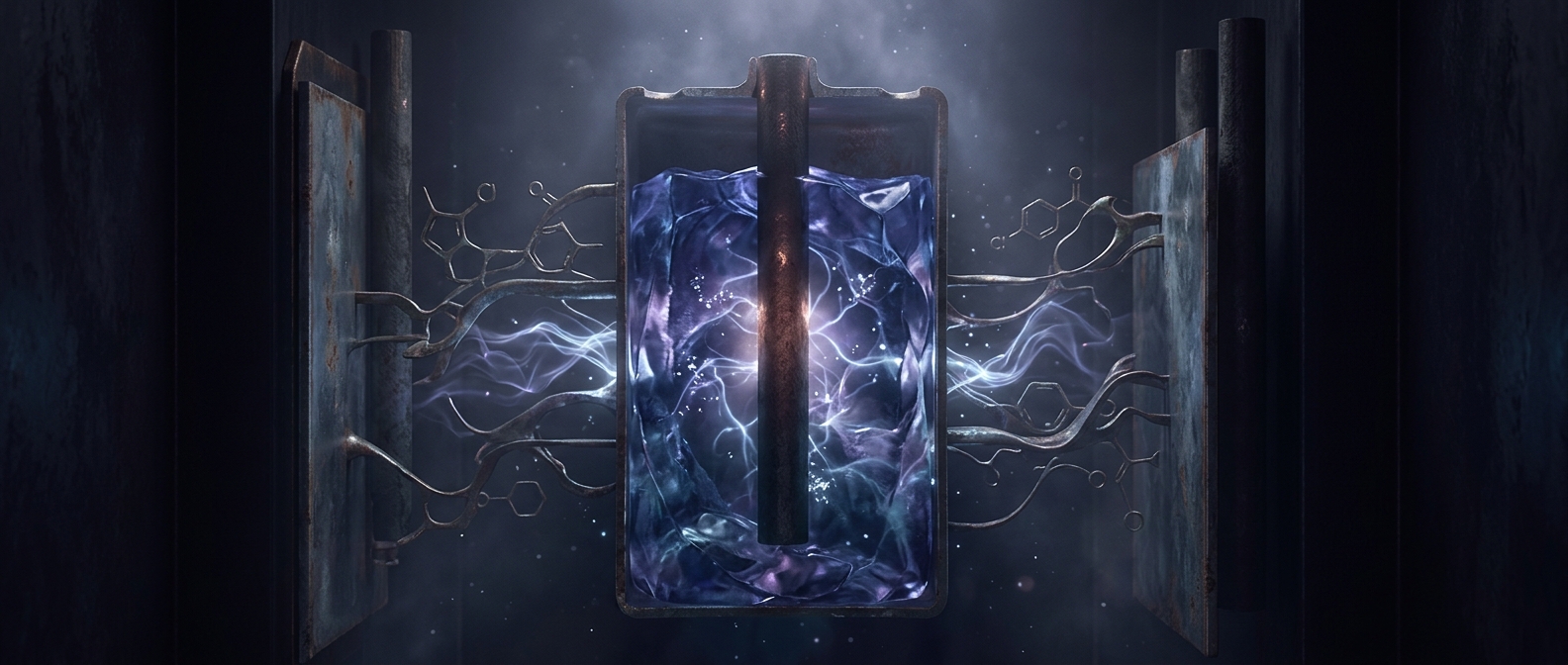
A zinc-carbon cell is “dry” only in the sense that its electrolyte—the material that lets charged particles move inside the battery—is a damp paste rather than a pourable liquid. The paste commonly contains ammonium chloride, a salt that forms an acidic solution when wet. It sits between the zinc outer can and a central carbon rod surrounded by manganese dioxide.
As the battery supplies power, zinc atoms in the can give up electrons. Those electrons travel through the remote’s circuit to do work; inside the cell, ions move through the paste to keep the reaction going. The zinc can is therefore not just packaging: it is also one of the reacting electrodes, and it is gradually consumed.
How the residue gets into a remote
The cell is sealed to keep its damp contents contained. With age, use, or damage, the seal can fail. The paste and dissolved reaction products then escape, while continued corrosion can weaken the zinc can further. Once outside the cell, leaked chemicals can dry and react with moisture or surfaces in the battery compartment, leaving pale, crusty deposits. Their precise composition can vary, so appearance alone does not identify the substance.
The remote’s metal contacts are meant to carry current, not sit in chemical residue. Deposits can obstruct that contact, and corrosion can eat into the metal, interrupting the path from battery to circuit. That is why a small leak can leave a remote unresponsive even after the old cell is removed: the battery compartment itself may no longer provide a clean electrical connection.