A phone call became a visible appointment
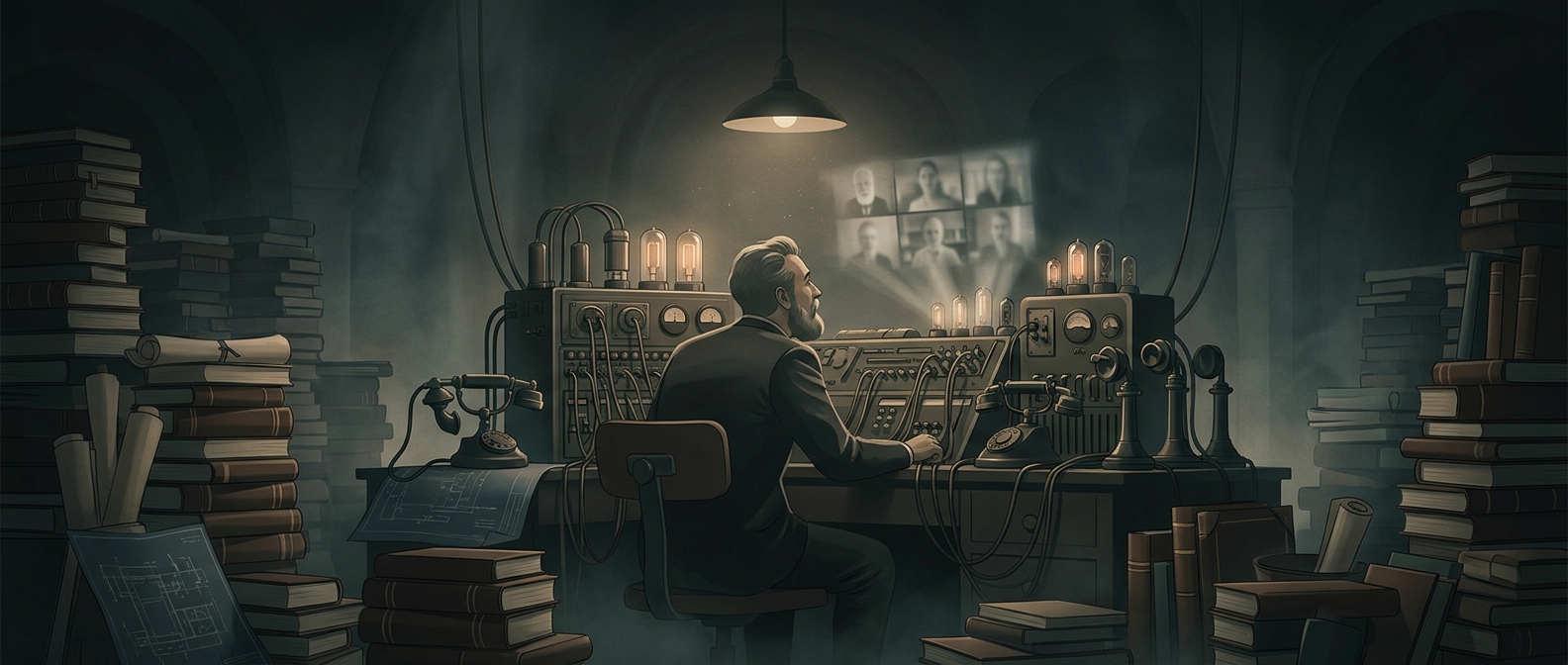
AT&T’s Picturephone Mod II added a small screen and camera to a live telephone call. Each person could see the other while speaking, turning the familiar voice-only exchange into a face-to-face one. The technology could transmit that image; the harder problem was making people want the image there.
A voice call is easy to fit into an ordinary day: someone can answer while relaxing at home, working at a desk, or doing something else. A camera changes the expectation. Callers may feel they should look presentable, stay in view, and give the other person their attention. The picture did not just add information; it added a social obligation.
The cost was more than the device
A video call also required equipment at both ends, rather than just a telephone handset. That made the service a larger commitment for households and businesses, while its usefulness depended on the person on the other end having compatible equipment too. A high price was especially difficult to justify when an ordinary call already conveyed the message.
For occasional conversations, seeing someone’s face might not be valuable enough to offset the expense and fuss. For a quick call, it could even feel like an intrusion: the caller was no longer simply asking to talk, but asking to be seen.
The missing feature was permission to look away
The Picturephone’s difficulty was therefore not simply that its image technology failed. It asked people to adopt a new etiquette along with a new machine. Later video calls became more familiar, but the basic tension remains: video can make a conversation feel closer, while also making it less casual. A phone that worked still had to fit the way people wanted to communicate.