A closer look
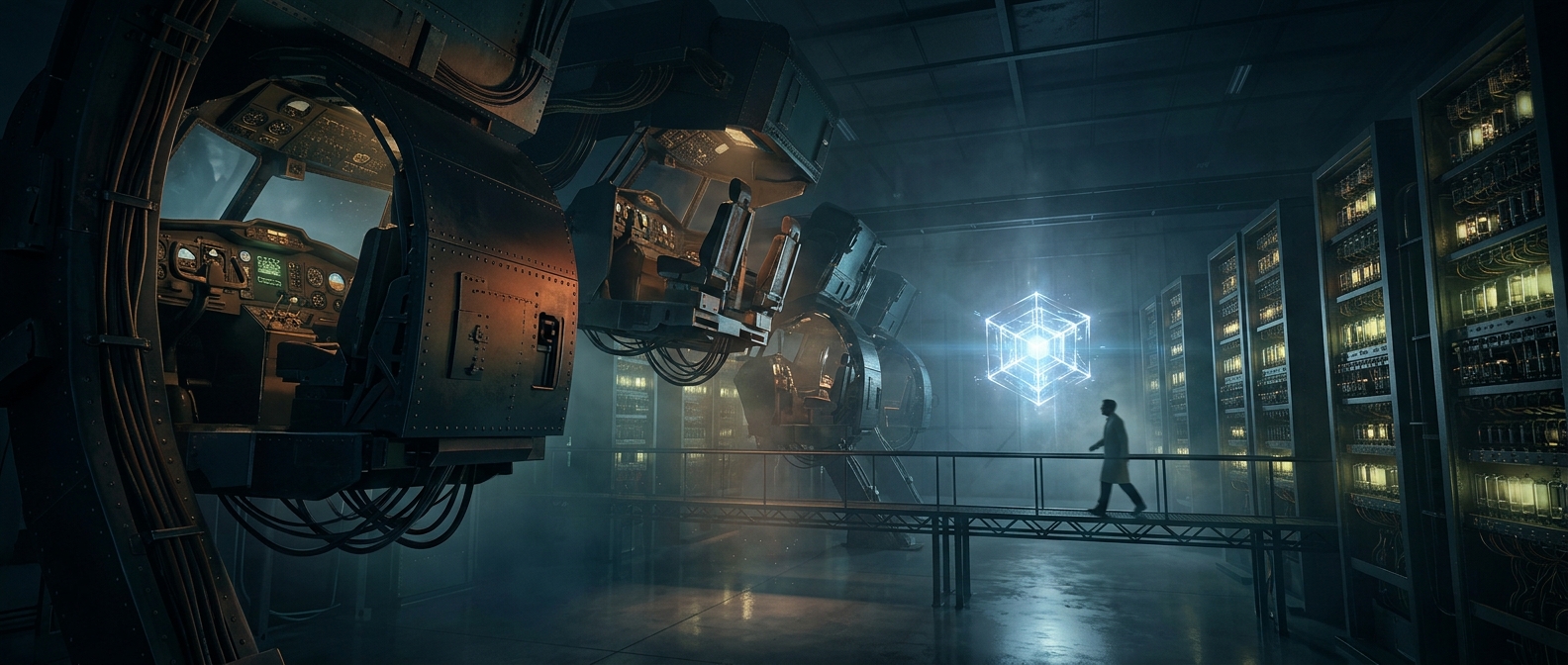
Back when computers were essentially giant, slow calculators fed by punch cards, MIT's Whirlwind project decided waiting was for losers. Funded by the US Navy in WWII to build a universal flight simulator, the project pivoted into creating the world's first real-time computer. Because standard vacuum tube memory was trash, engineer Jay Forrester invented magnetic core memory—tiny metallic donuts strung on wire grids that retained data without power. Whirlwind was a financial black hole that took up an entire building, but it gave us the interactive, instantaneous computing architecture we take for granted while scrolling memes today.