A closer look
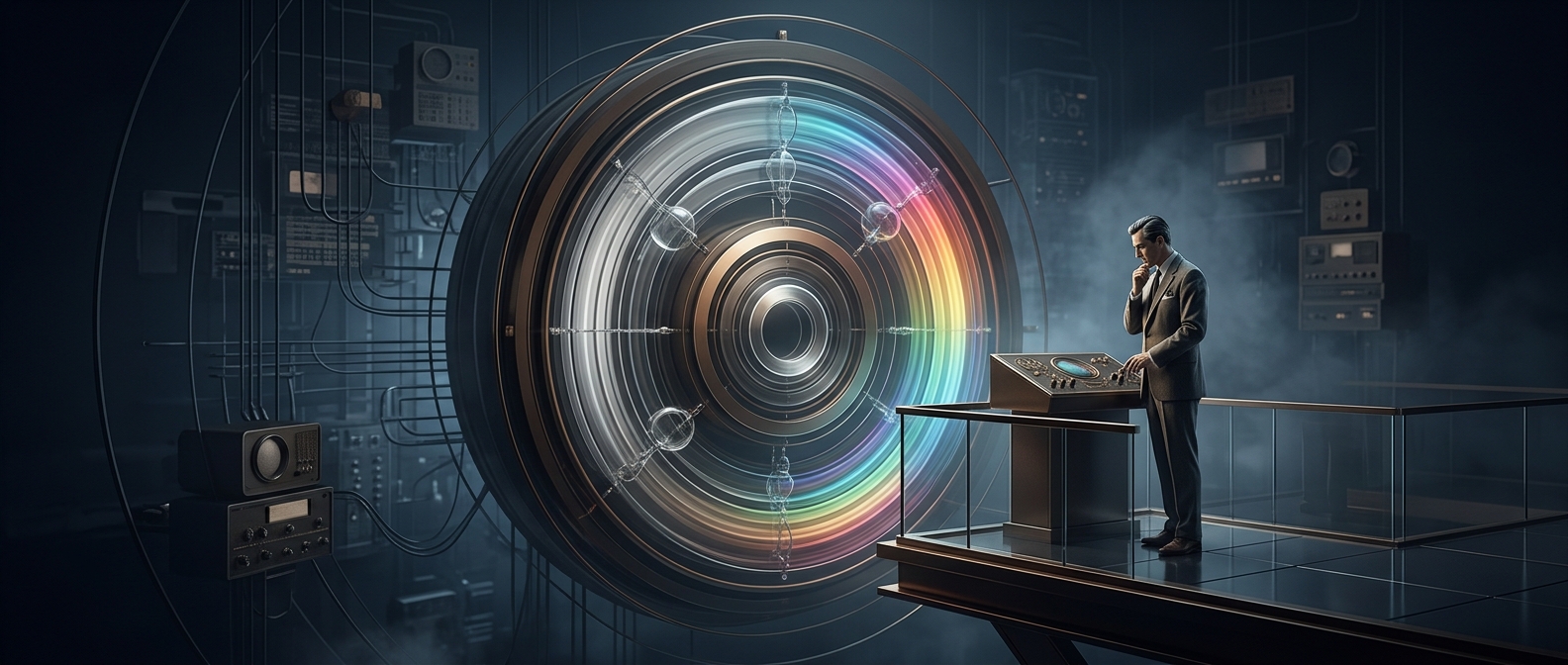
Upgrading the entire world to color television was almost a colossal disaster because nobody wanted their expensive black-and-white sets to become instantly useless. Georges Valensi solved this in 1938 by inventing a way to separate the broadcast signal into brightness (luminance) and color (chrominance). Older TVs only decoded the brightness to get a perfect grayscale picture, while new models blended both, saving the broadcast industry billions and cementing a standard we weirdly still use in digital video compression today.