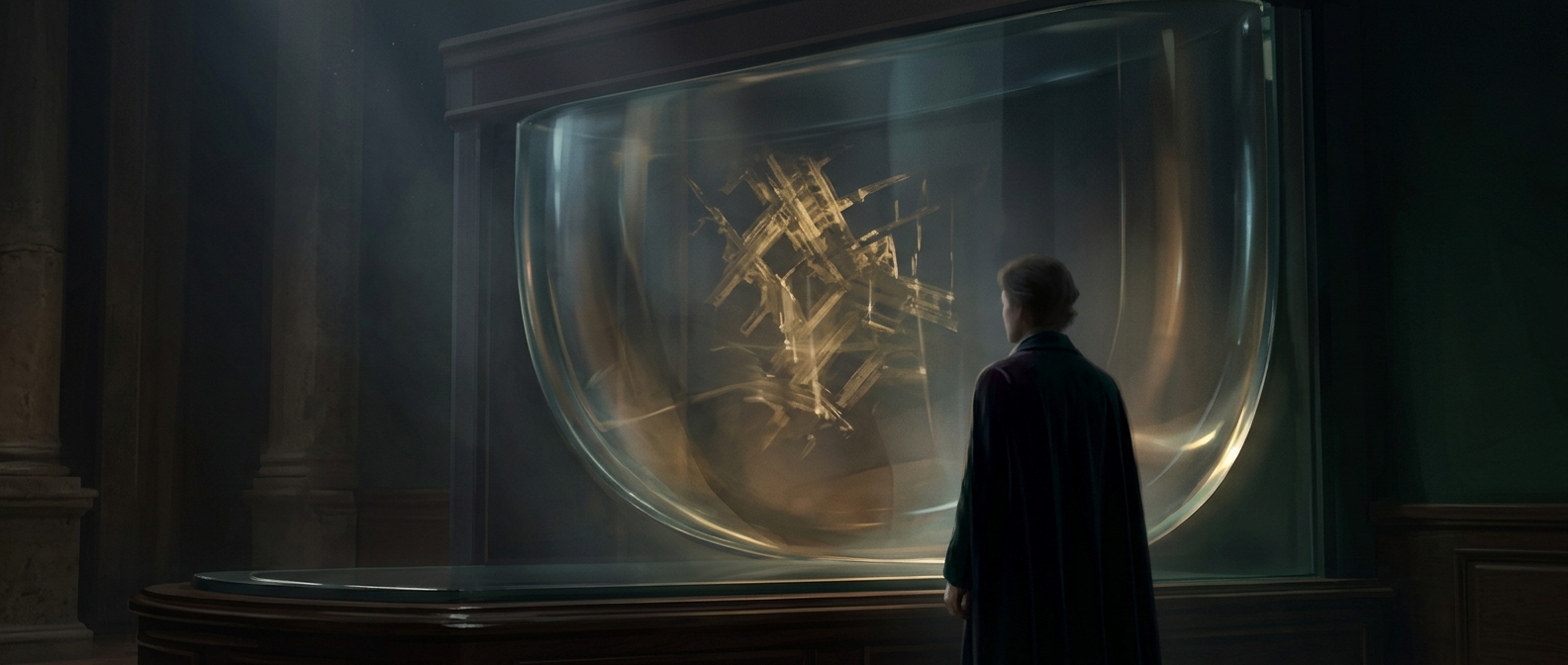
Why a curved lens redirects light
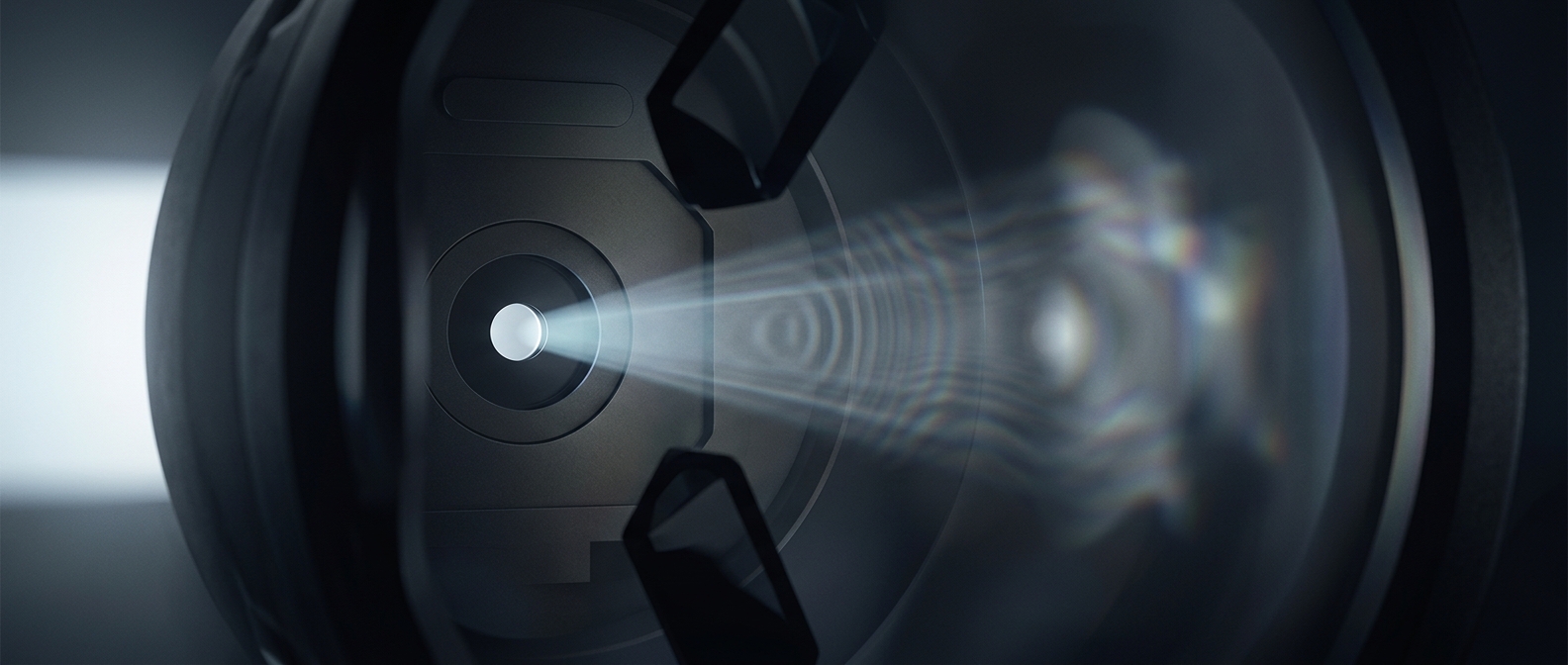
Light bends at a glass surface because it travels at a different speed in glass than in air. The crucial detail is that a curved surface meets incoming rays at different angles: a ray passing near the lens’s edge is redirected differently from one passing through its center. Together, those small changes in direction shape the bundle of light that leaves the lens.
A convex lens, thicker in the middle, can bring rays together. A concave lens, thinner in the middle, can spread them apart. How strongly a lens changes the rays depends on its curvature and the glass; a stronger bend means a shorter distance over which rays converge or diverge.
The image is an interpretation of the rays
Your eyes do not sense an object’s position directly. They receive light and the brain interprets its direction as if it had traveled in straight lines. When a lens redirects those rays, the brain’s usual reading can place an image somewhere other than the object itself. With a magnifying glass, for example, the rays reaching the eye can appear to come from a larger, closer image.
That same geometry is useful far beyond magnification. Camera lenses arrange rays so light from a scene lands in a focused pattern on a sensor; eyeglass lenses redirect light so it focuses more appropriately inside the eye. A small change in glass shape can therefore change not just how large something looks, but where its light comes together—and whether the final image is sharp.