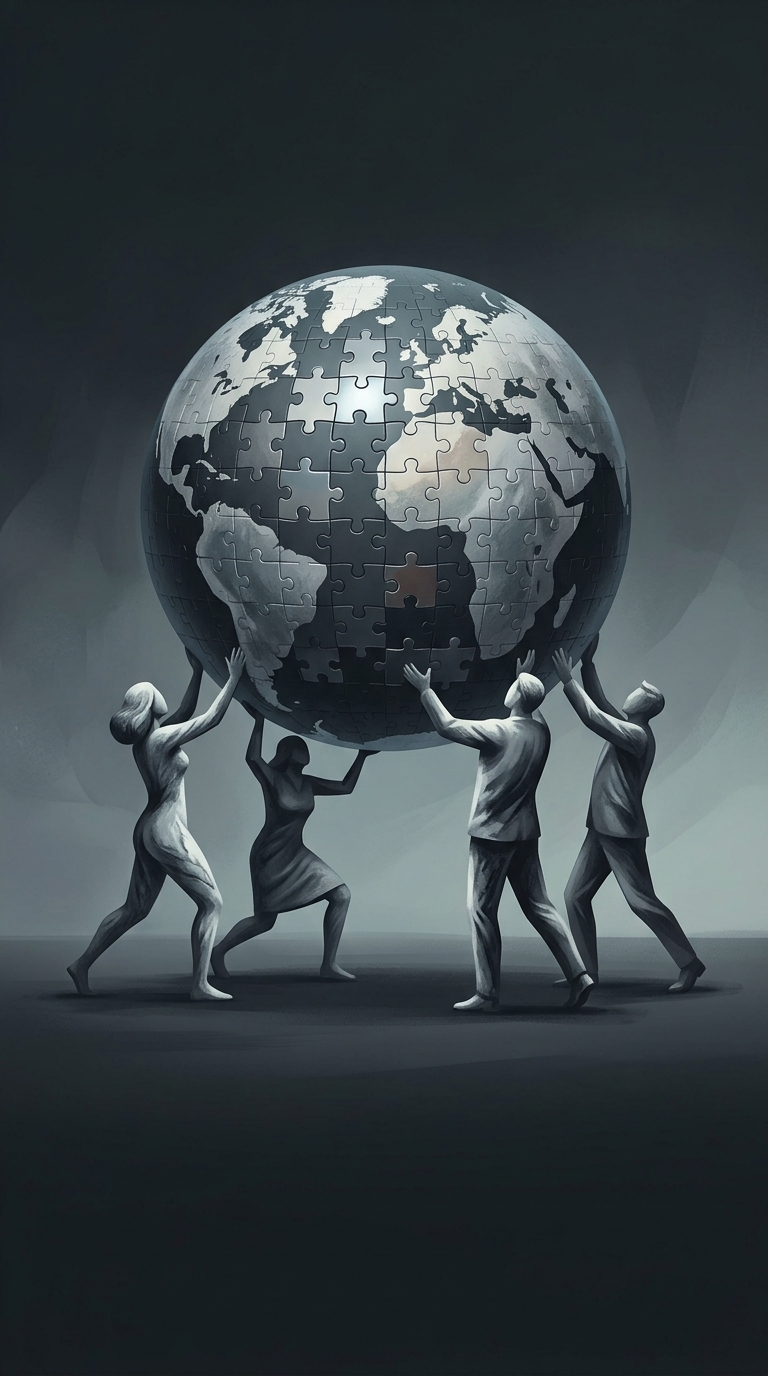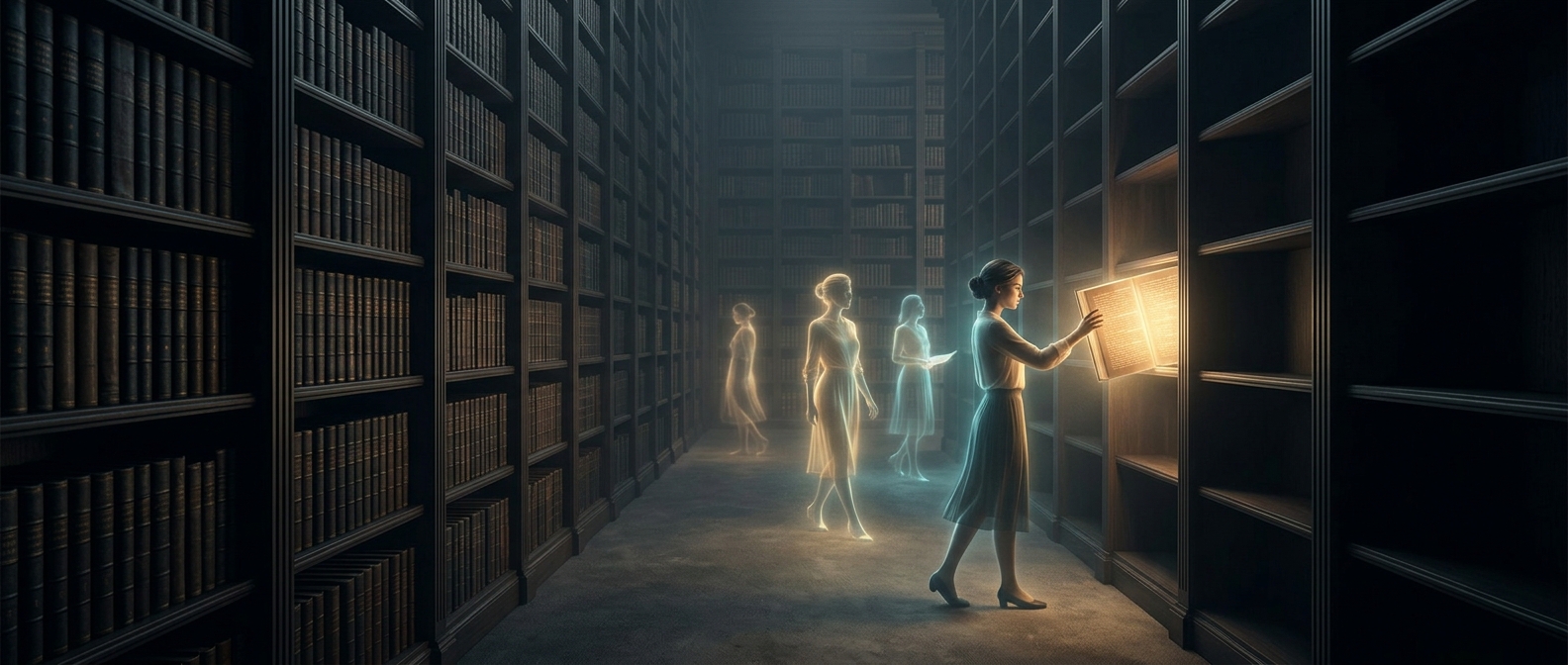
How a biography becomes “notable”
Wikipedia does not decide whose life matters from scratch. Its biographies must be supported by reliable published sources, and the subject generally needs substantial coverage in those sources. That rule helps keep entries verifiable, but it also makes the encyclopedia depend on what newspapers, publishers, archives, and scholars have already chosen to record.
Those records are uneven. Women’s work and achievements have often received less sustained attention, been credited to institutions or collaborators, or gone undocumented in sources that editors can readily consult. When the available coverage is thin, a biography can be harder to write and more likely to be challenged or removed—even when the person’s contribution is significant.
An open site still has a pipeline
Anyone can edit Wikipedia, but openness alone does not create equal coverage. Editors need time, subject knowledge, and sources; they also make decisions about which topics to pursue. If a community’s interests and the publishing record both skew toward men, the resulting biographies can skew that way too.
The effect can compound. A well-documented subject is easier to turn into an article, while an existing article can make a person easier for later writers and researchers to find. Less-covered lives may remain difficult to verify and therefore less visible, feeding the same imbalance in the reference material people consult.
The gap is also about what gets preserved
The issue is not simply that editors have failed to add names. Wikipedia reflects a wider chain of choices: who is written about, whose records are kept, and whose work is treated as worth documenting. Improving coverage can mean building articles from stronger sources, while the longer-term challenge is ensuring that women’s achievements are recorded in the first place.
That distinction matters: an encyclopedia can be open to everyone and still inherit the blind spots of the world it describes.