Technology
Discover facts about technology. Small discoveries that change the way you see familiar things.
Technology

Why composers once rejected the metronome
When the mechanical metronome was finally perfected in the early 19th century, musicians absolutely despised it. Many prominent composers actively refused to…
Discover more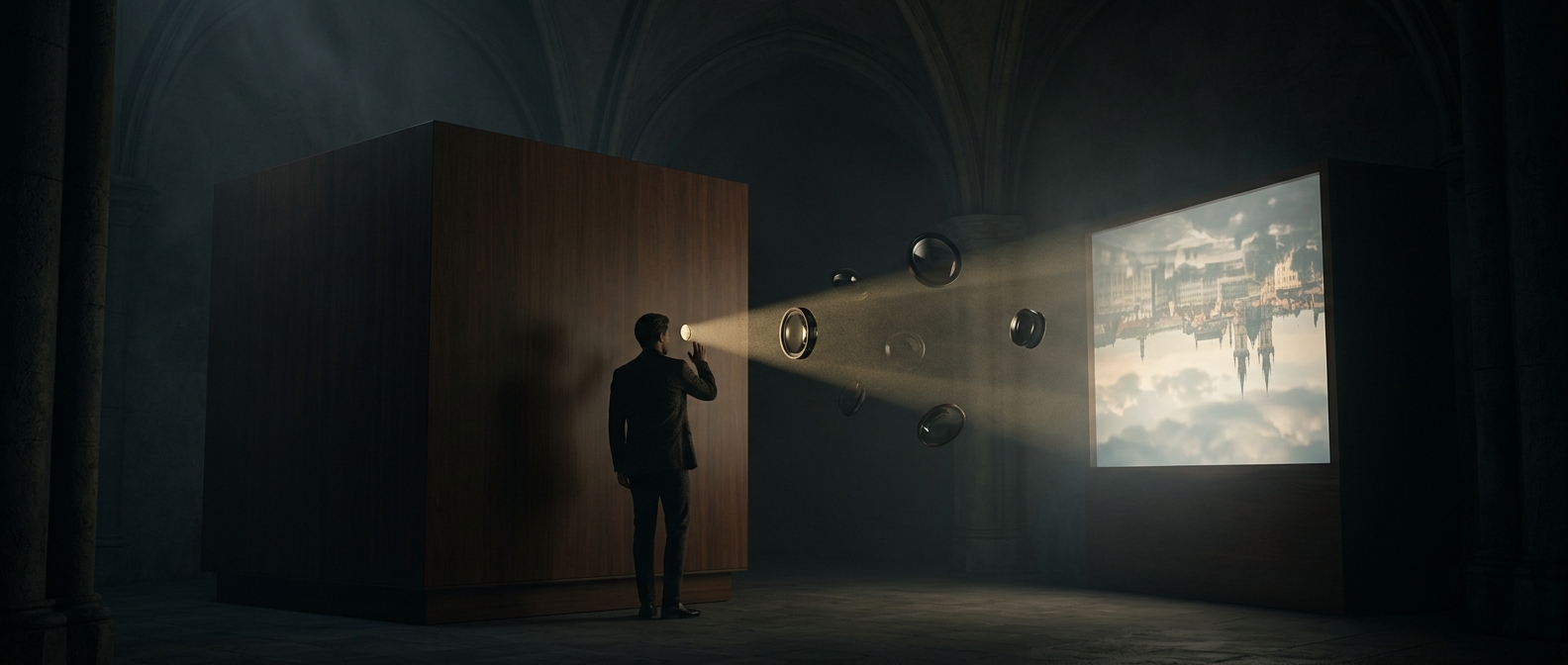
How a tiny hole can take a picture
You do not actually need highly expensive, heavily polished glass to take a crisp photo; you just need a microscopic hole and complete darkness. The camera…
Discover more
Electric guitars were built to beat brass bands
The electric guitar wasn't invented because musicians aggressively wanted to distort their tone and smash things; it was born out of pure acoustic…
Discover more
The camera trick behind The Shining’s smooth movement
Before the Steadicam, moving a camera required laying down massive literal train tracks or accepting highly nauseating, shaky footage. Inventor Garrett Brown…
Discover more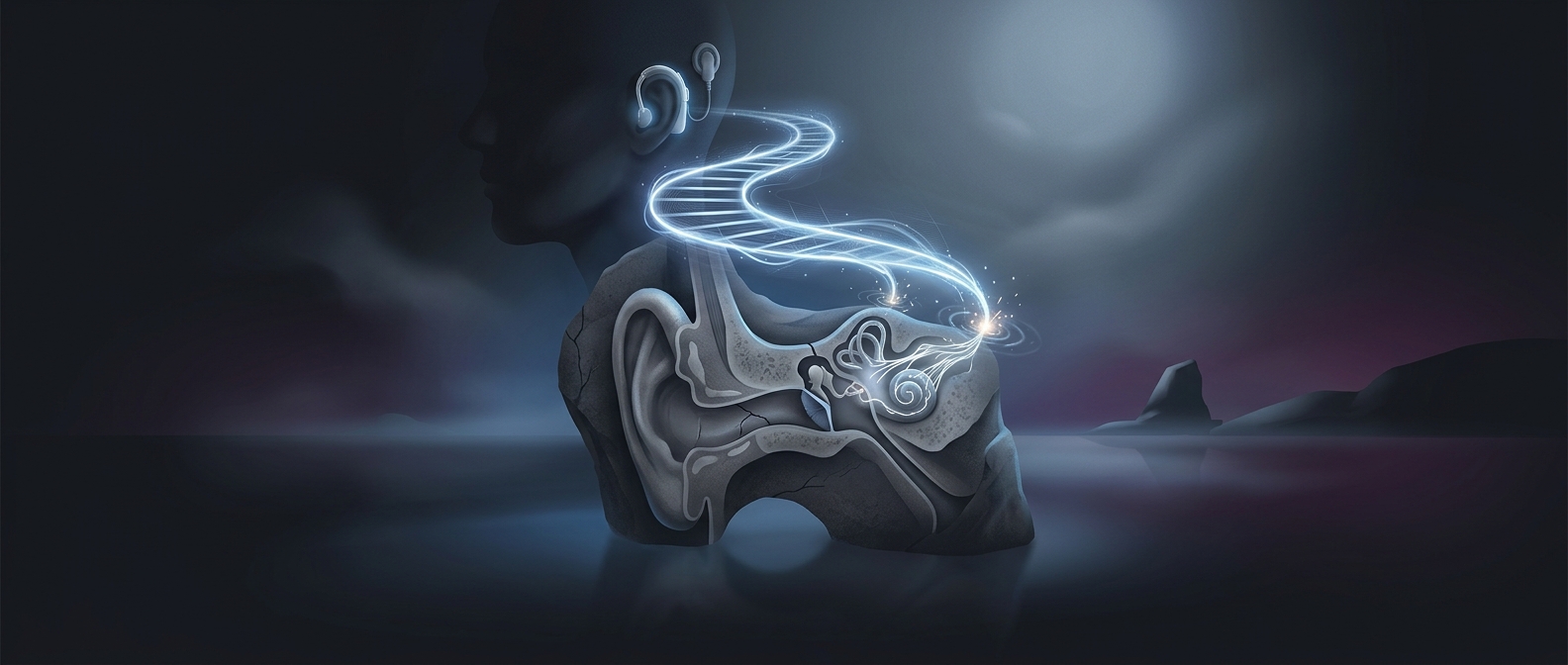
How cochlear implants bypass the damaged ear
Unlike standard hearing aids that merely shout into a damaged ear, cochlear implants completely ignore the biological ear mechanism entirely. They use an…
Discover more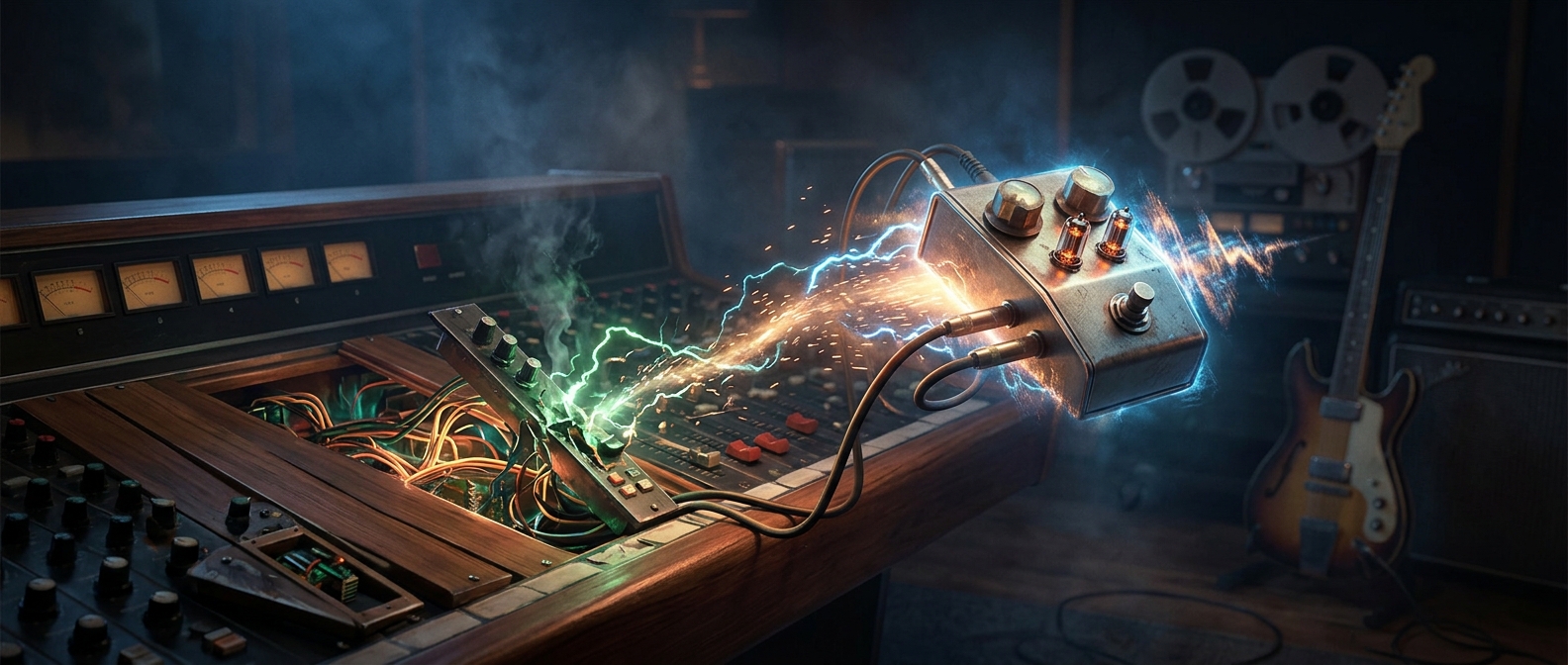
A broken console accidentally created rock’s fuzz sound
The gritty, distorted sound that defined rock and roll was a total accident caused by shoddy electronics. While recording a country song in 1961, a…
Discover more STACKY FOR IPHONE
A bigger world.
One discovery
at a time.
Keep discovering with Stacky. Interesting facts in an app that is always within reach.
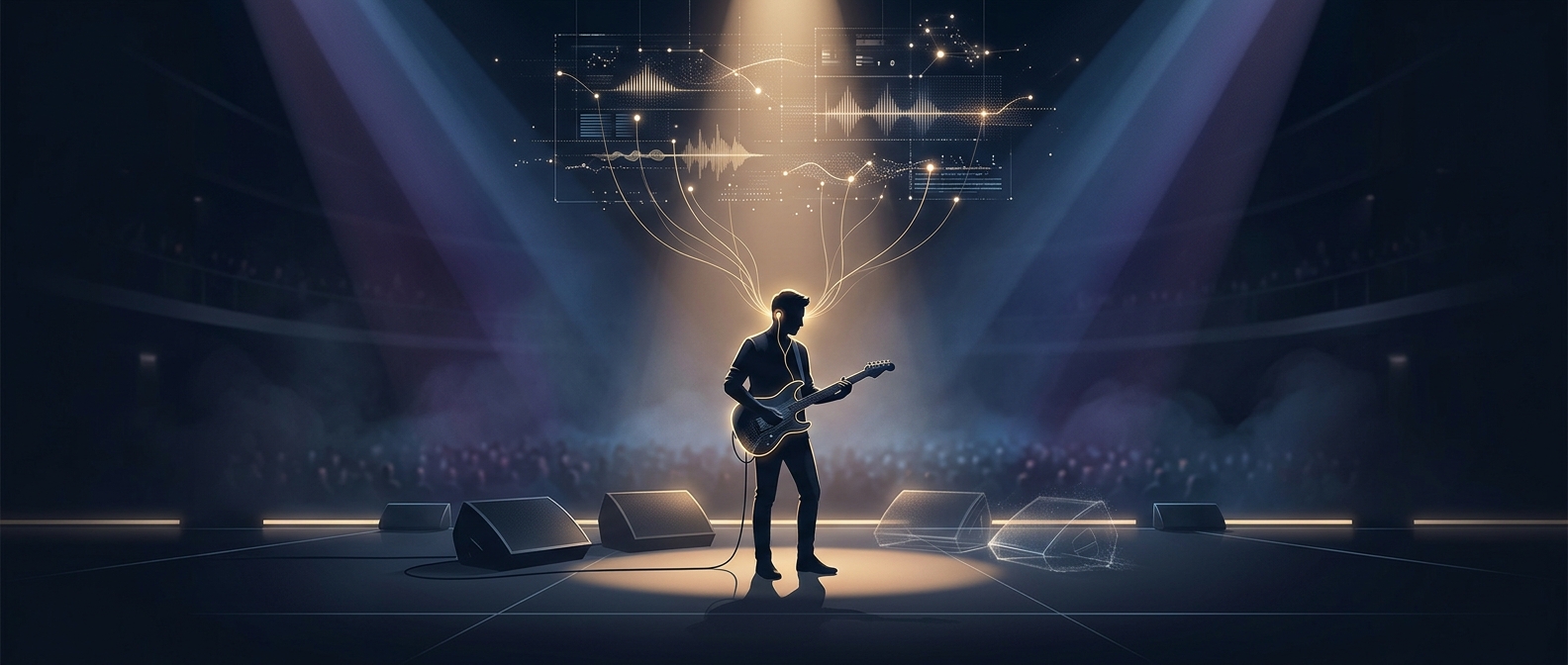
Why singers stopped relying on stage speakers
For decades, musicians survived loud concerts by placing massive, highly destructive speaker wedges at their feet just to hear themselves sing. This caused…
Discover more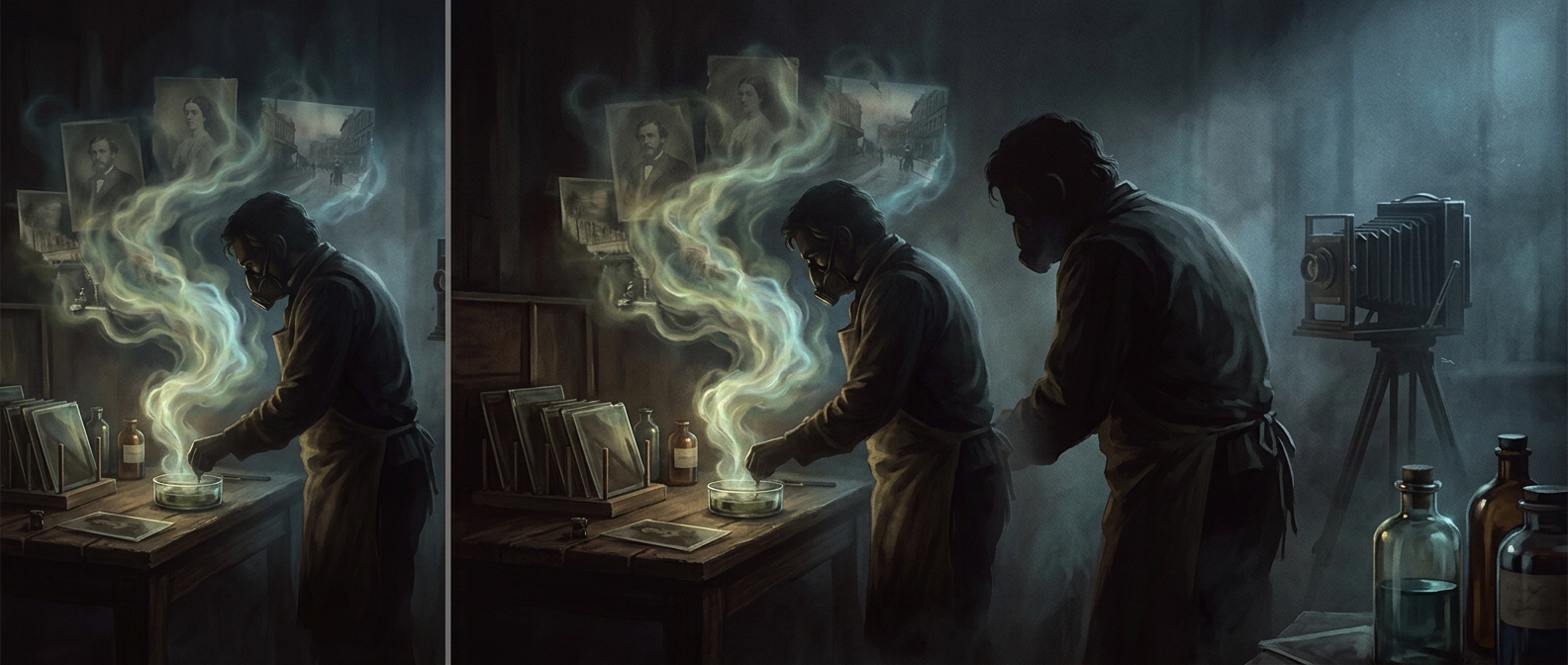
The toxic secret behind early photographs
The incredibly sharp, absolutely haunting metallic portraits of the 1840s known as daguerreotypes came with a severely lethal occupational hazard. To make the…
Discover more
The sausage casing that became an artificial kidney
The first functioning artificial kidney wasn't built from state-of-the-art medical polymers; it was made out of sausage casings. During WWII, Dr. Willem Kolff…
Discover more
Condenser microphones require a phantom electric charge
Unlike rugged dynamic microphones that can survive a nuclear blast, studio condensers are fragile prima donnas. They require an active, constant 48-volt…
Discover more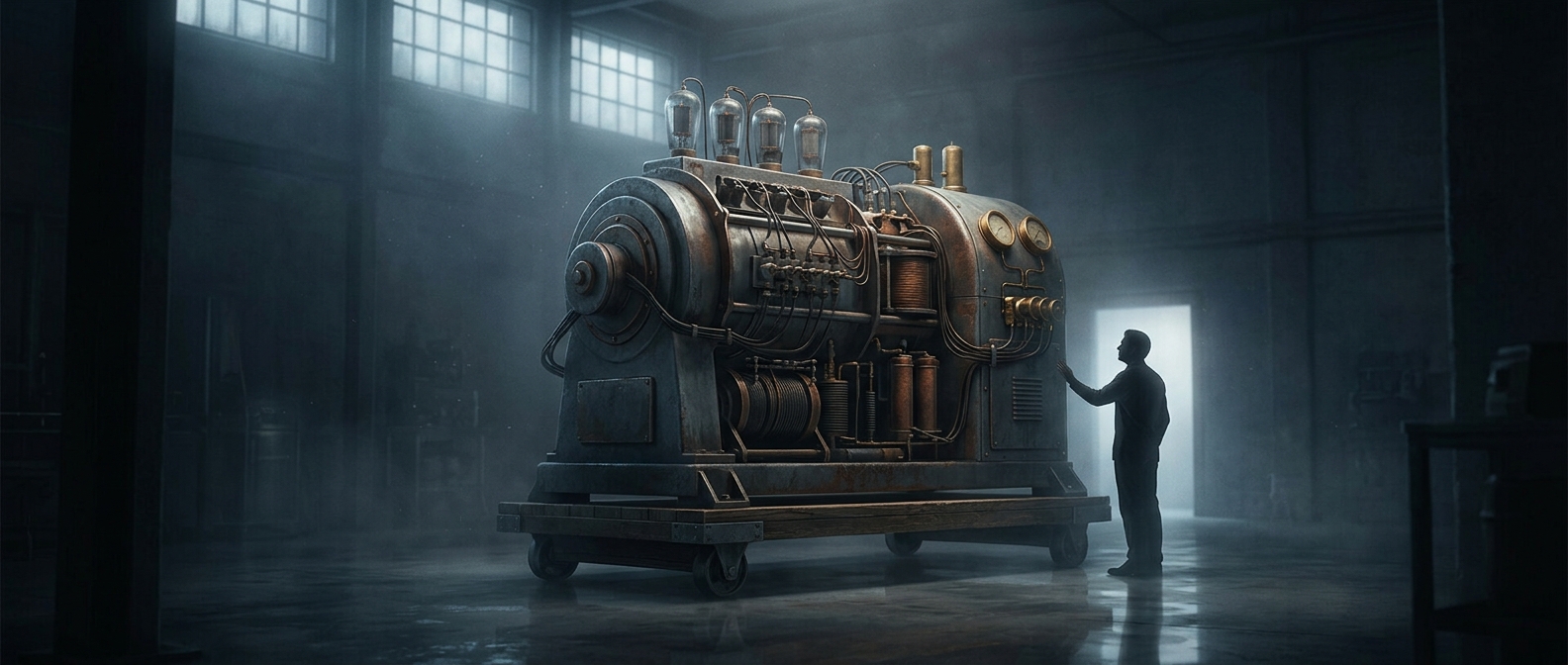
The first EKG machine filled a room
Today, an Apple Watch can track your heart rhythm while you aggressively ignore an email. But the very first EKG machine invented by Willem Einthoven took up…
Discover more
The bizarre origin of the fisheye lens
The heavily distorted, aggressively wide lens that defined 1990s skateboarding videos was actually invented for serious academic science. In the 1920s,…
Discover more
Phonographs meant solely for recording vocal dictation
When Thomas Edison invented the phonograph, he was absolutely convinced it would be used strictly for serious, dignified office dictation. He actively fought…
Discover more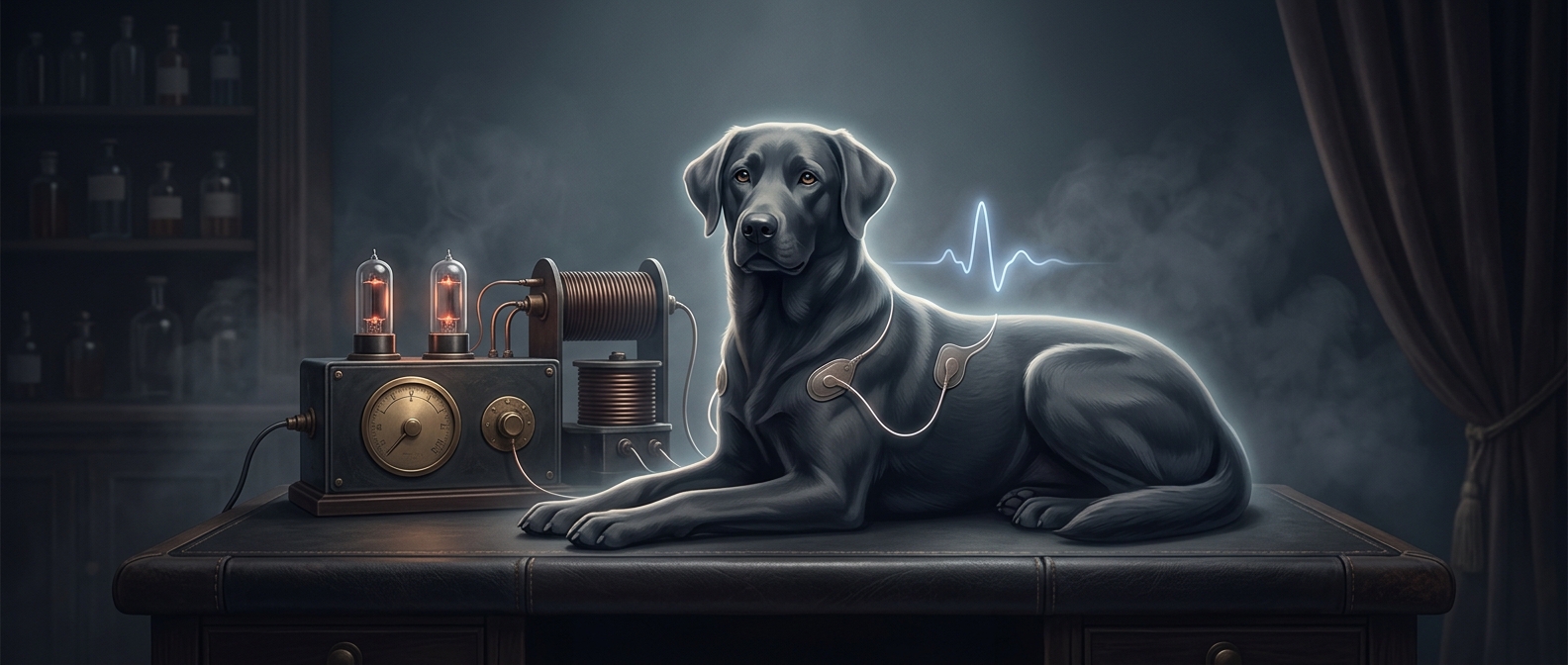
Defibrillators were first tested on dogs
Before we used giant electric paddles to dramatically restart human hearts in every single hospital television drama, we used them on dogs. The first…
Discover more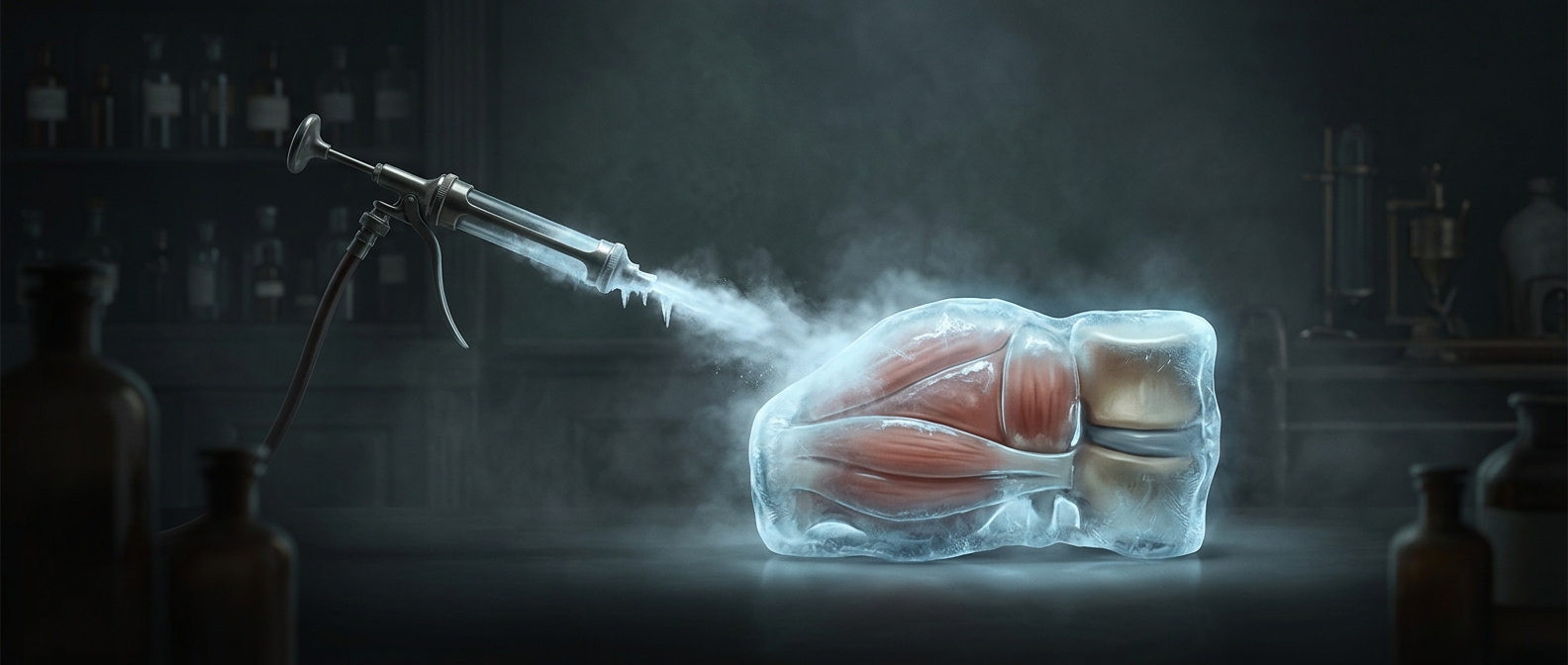
How doctors numbed skin with instant frostbite
If you couldn't access cocaine—which was wildly popular for numbing eyeballs in the 1800s—doctors had a much more brutal alternative. They would spray a…
Discover more
Binoculars functionally started as two merged telescopes
Sometimes the greatest technological leaps are just the absolute dumbest, most obvious ideas. Early single-tube spyglasses completely ruined depth perception,…
Discover more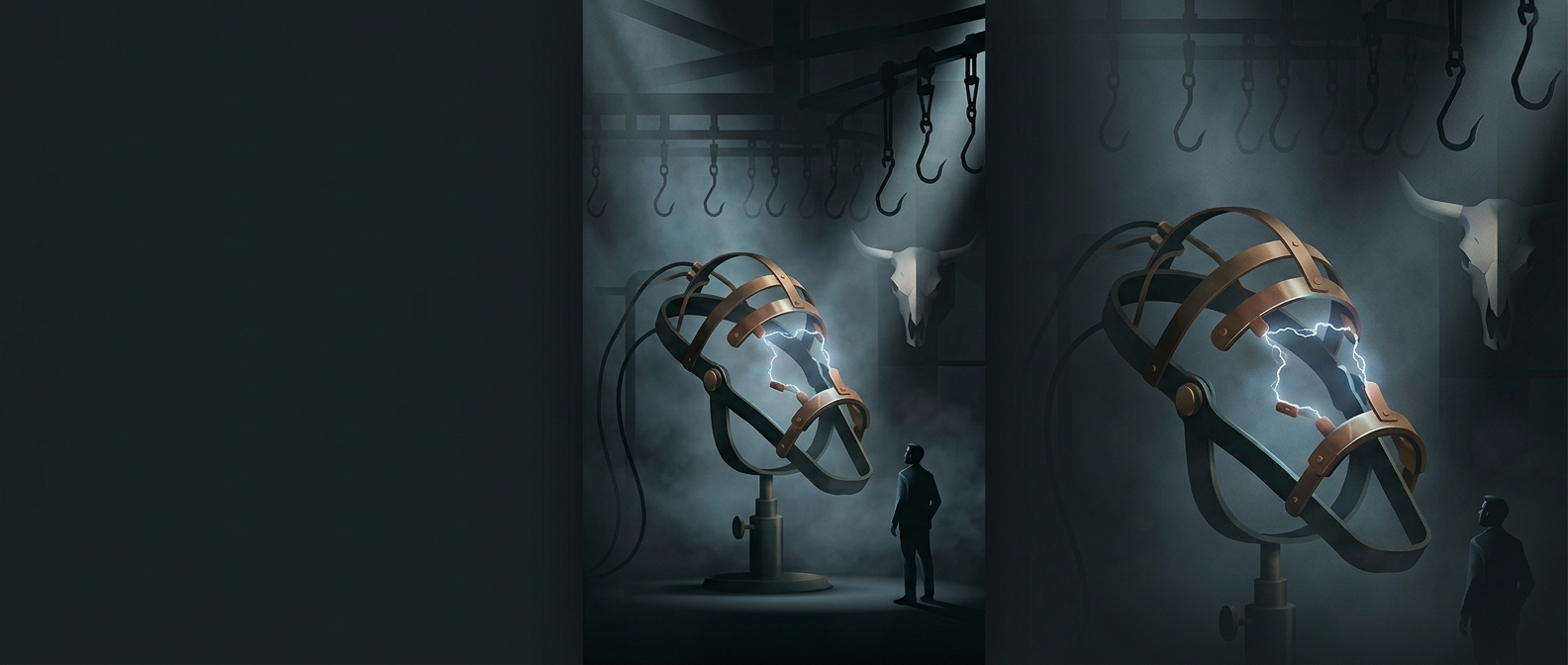
Shock therapy was inspired by a slaughterhouse
Electroconvulsive therapy wasn't born in a sterile psychiatric lab; it was conceptualized in a butcher shop. Italian neurologist Ugo Cerletti noticed that…
Discover more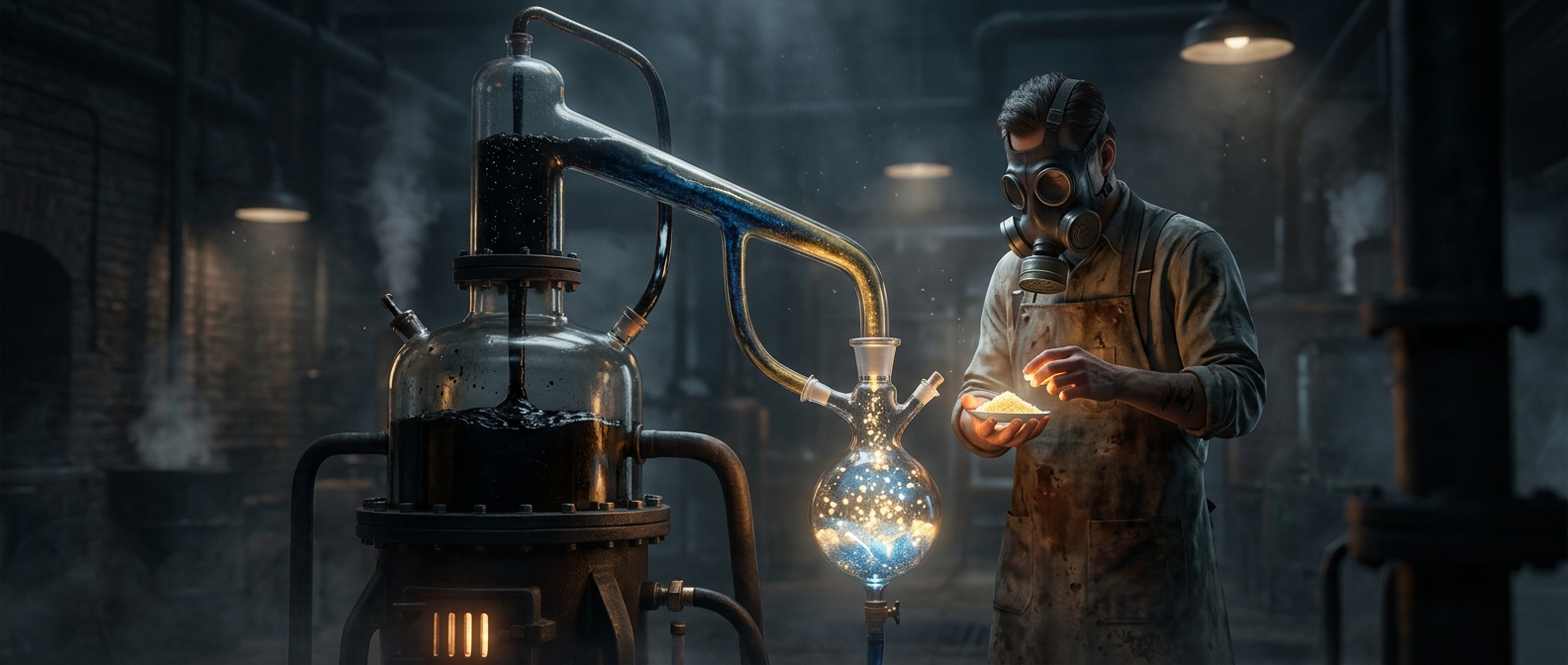
Early synthetic vitamins came from toxic coal tar
Your modern daily gummy vitamin owes its existence to industrial waste. When scientists first figured out how to synthesize essential vitamins in a lab, they…
Discover more
Doctors once transfused sheep blood into people
In the 17th century, physicians figured out the mechanics of pumping blood into a human, but totally missed the memo on 'blood types' or 'species…
Discover more
Why the first drum machines were made for churches
The electronic thump that drives modern hip-hop and techno has deeply religious origins. The very first commercially produced drum machines were explicitly…
Discover more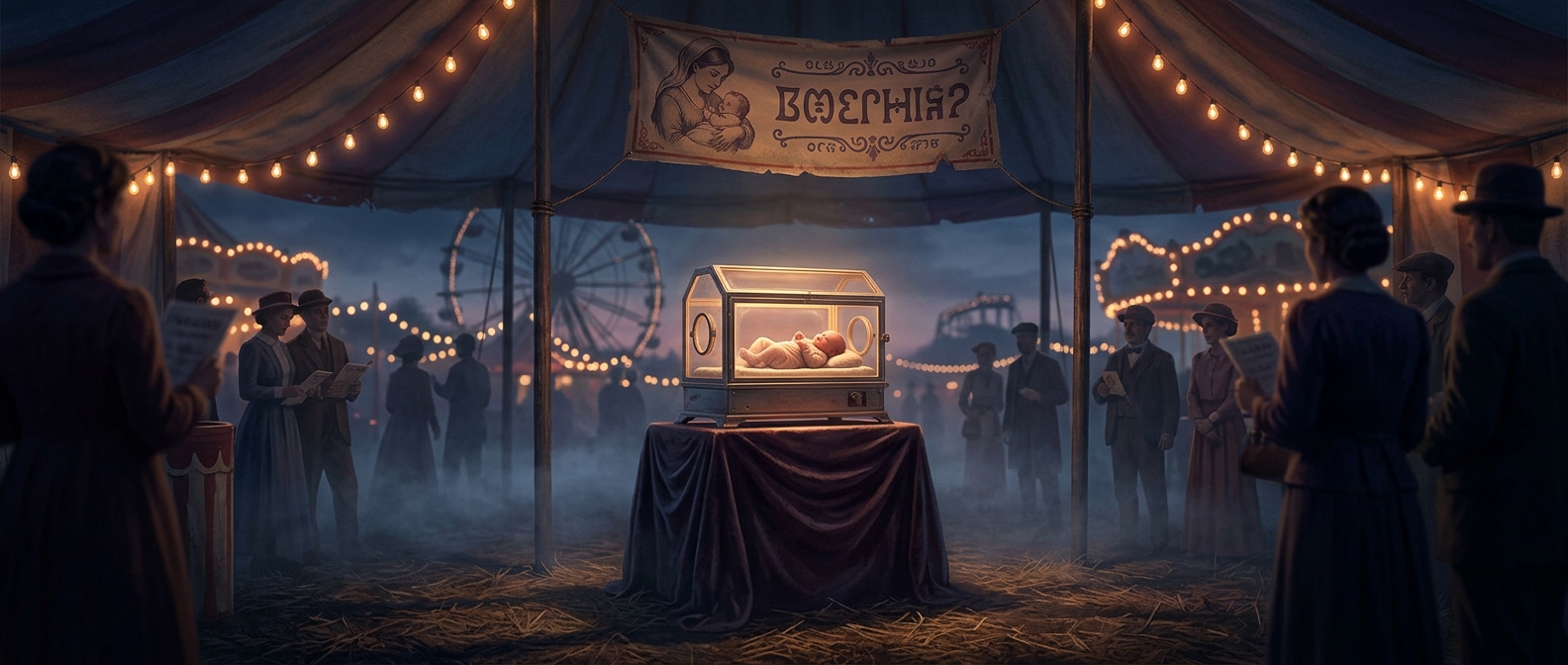
Premature babies were once displayed at carnivals
If you had a premature baby in the early 1900s, traditional hospitals basically shrugged, so you took them to the carnival. Doctor Martin Couney funded his…
Discover more
Early microphones turned carbon granules into sound
If you think today's audio quality is rough, try speaking into literal charcoal. Early carbon microphones relied on loosely packed carbon granules pressed…
Discover more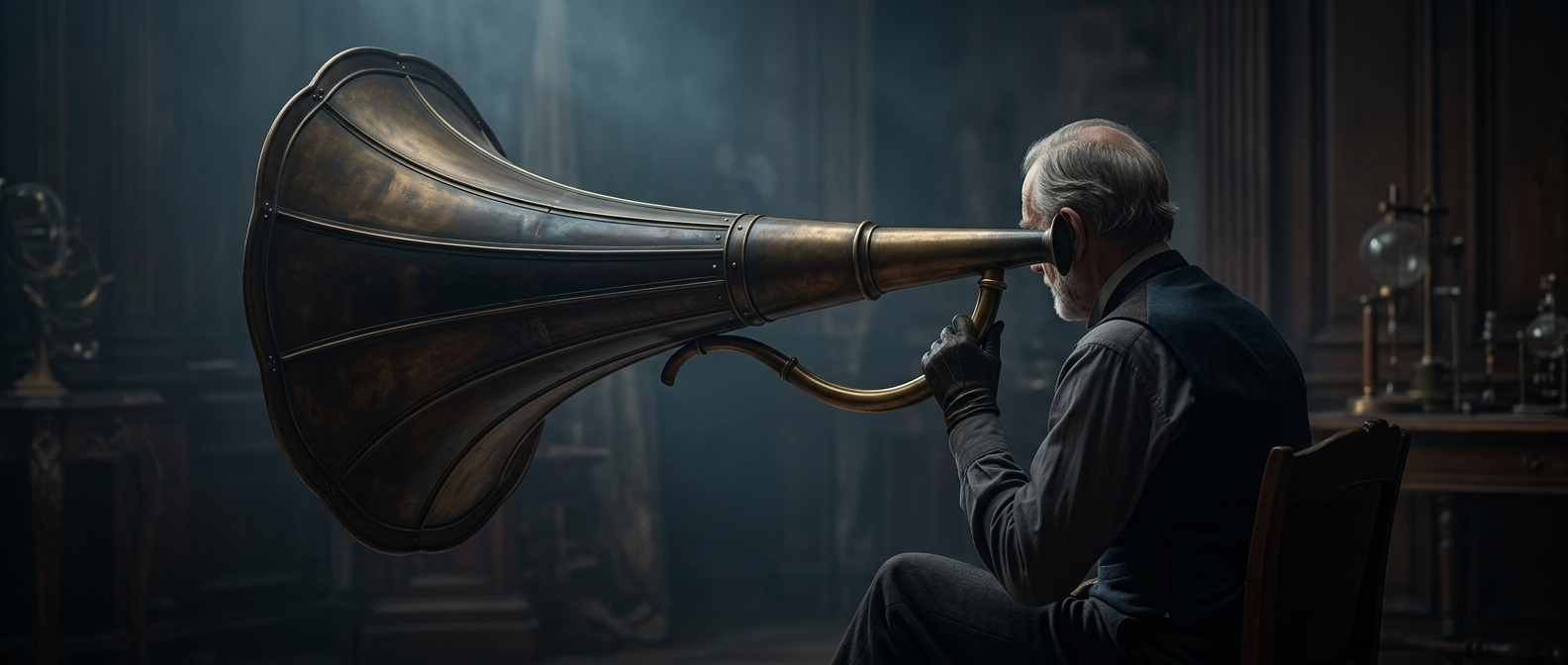
Early hearing aids were giant brass ear trumpets
If you were hard of hearing in the 18th century, your best technological option was strapping a massive brass tuba to your skull. Ear trumpets didn't amplify…
Discover more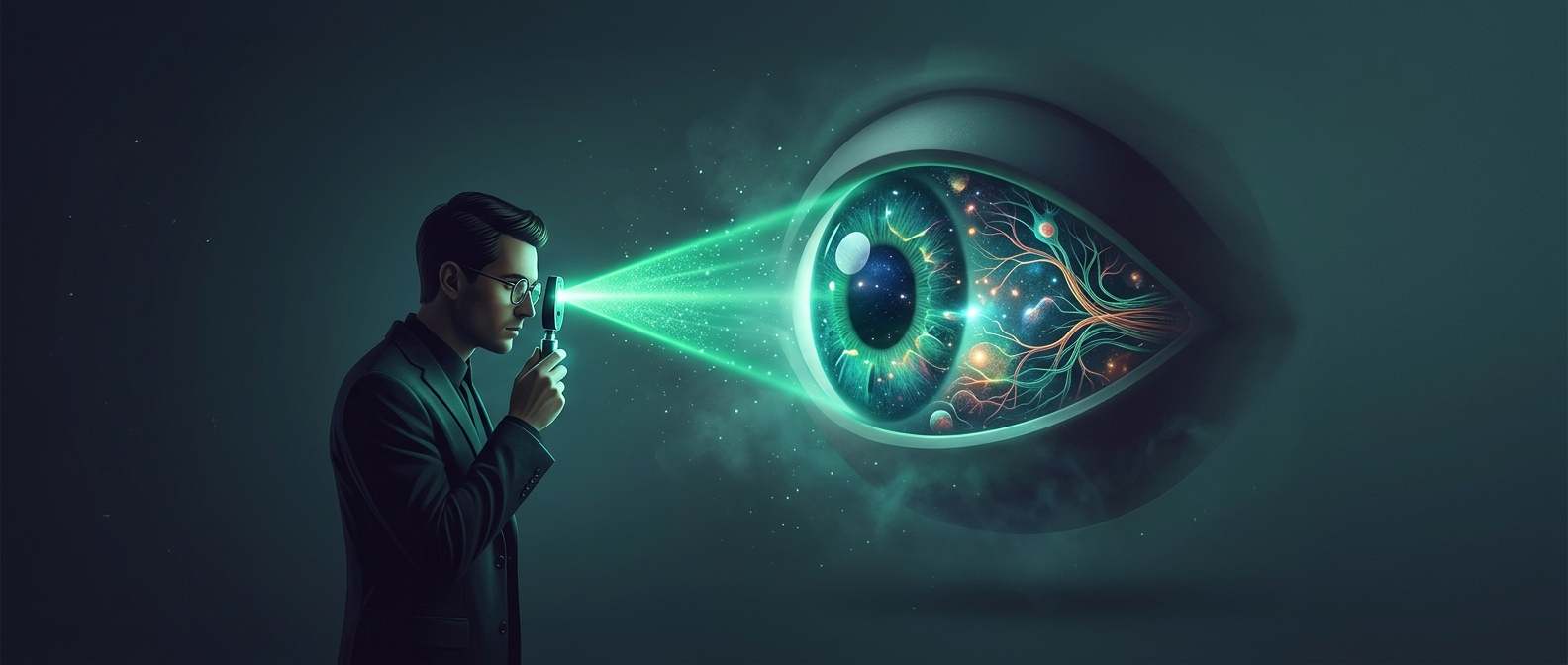
Ophthalmoscopes let physicists peek inside eyes
Before the 1850s, looking inside a living human eyeball was basically impossible without blinding the patient or cutting them open. A physicist named Hermann…
Discover more