Why anyone tried animal blood
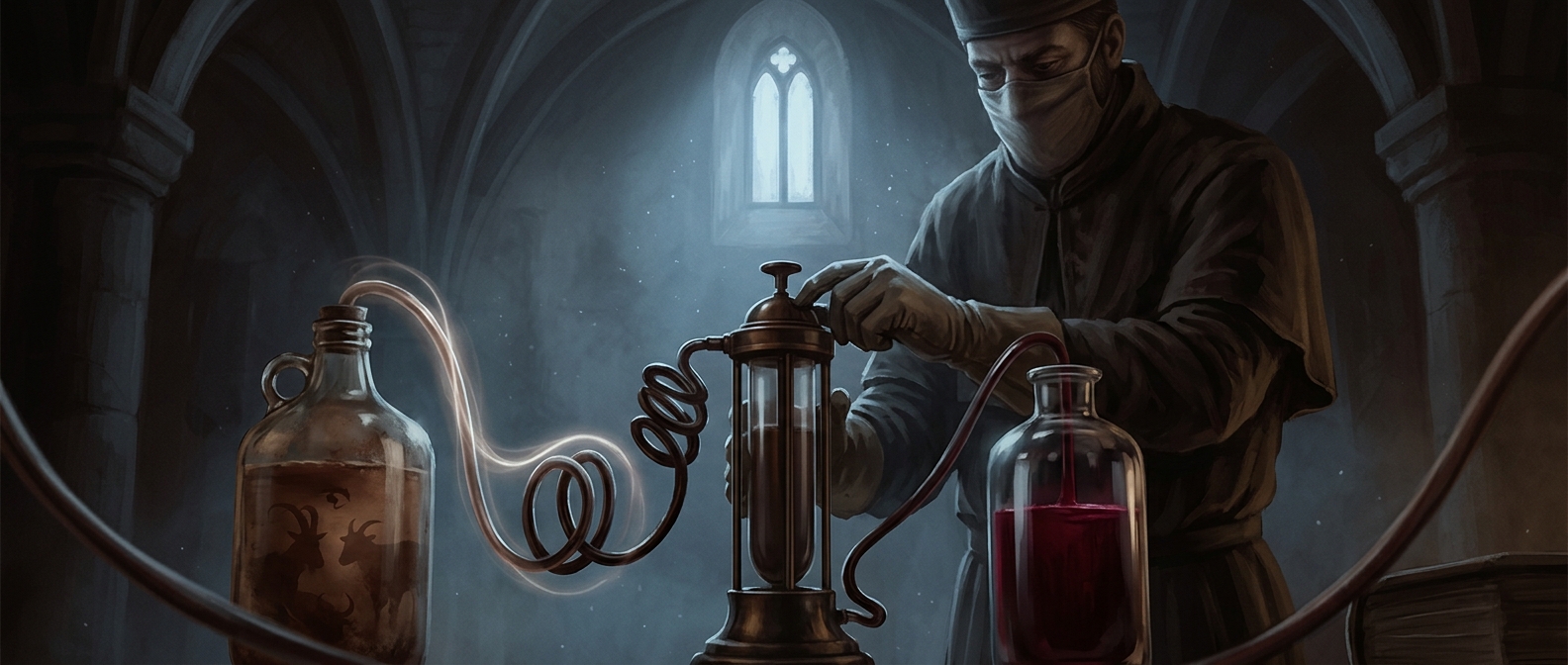
Once physicians understood that blood circulated through the body, transfusion seemed like a possible way to restore what illness or bleeding had drained away. But they had no reliable way to preserve blood, match donors, or predict how a recipient’s body would respond. In the 1660s, French physician Jean-Baptiste Denis experimented with transfusing blood from animals, including lambs, into people. The hope that a gentle animal might calm an agitated patient reflected the era’s belief that an animal’s qualities could somehow pass along with its blood.
The body does not accept blood by temperament
Blood is not a simple fluid that can be swapped between living creatures. Red blood cells carry identifying molecules on their surfaces, and the immune system can attack cells it recognizes as foreign. Human blood types are one part of that compatibility problem; the differences between species are much broader. A person’s body may destroy transfused animal cells and react dangerously to other animal blood components. In the seventeenth century, physicians could not see or explain those reactions, and transfusions also lacked today’s safeguards for measuring and delivering blood.
A risky experiment, not a lasting treatment
Early animal-to-human transfusions produced alarming outcomes and controversy, helping bring the practice under restriction in France. The experiments did not establish sheep blood as a therapy. Instead, they exposed how little physicians knew about what transfusion required. Later progress depended on recognizing that donor and recipient blood must be compatible, and on developing ways to collect, store, and administer it safely. The striking lesson is that a belief about an animal’s character could inspire an experiment—but only understanding the body’s actual biology could make transfusion useful.