A medieval theory found a home on the early web
GeoCities let people build personal websites within themed online “neighborhoods.” Before social media feeds and large publishing platforms, a person with an unusual idea could make a page, arrange it as they pleased, and share it with visitors who found the site or followed its links. Heribert Illig’s Phantom Time Hypothesis was one such idea: a claim about the calendar and the medieval past, presented online alongside many other personal interests and arguments.
That setting matters. A GeoCities page was not a journal article or a centrally edited reference work. Its design and claims belonged to its creator. The web made it easy to publish a theory without first persuading a newspaper or academic publisher, but readers had to judge the page’s evidence and authority for themselves.
How a vanished page can survive
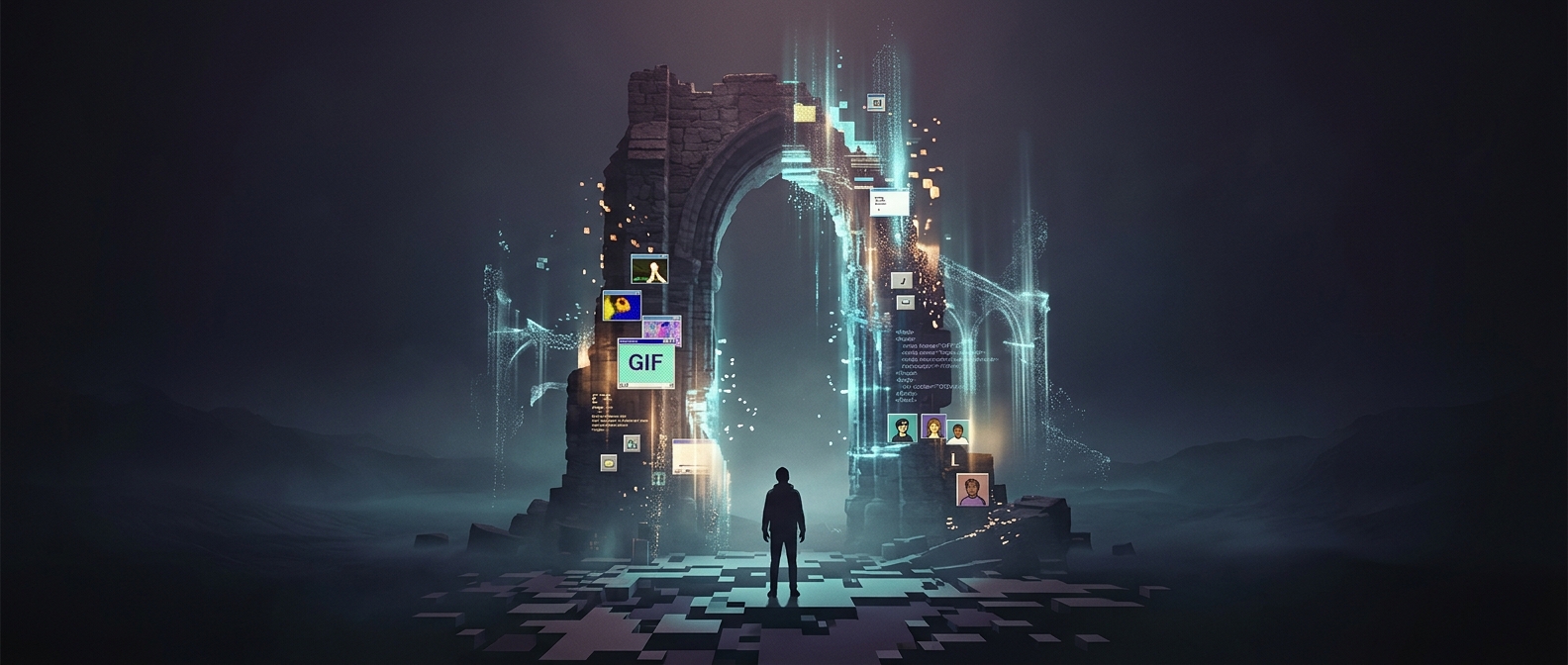
GeoCities eventually disappeared as a live hosting service, taking many personal pages offline. The Internet Archive’s Wayback Machine preserves snapshots of websites collected at different times. A snapshot is more like a saved view than a complete restoration: it may retain text and some images while missing files, links, or interactive features that once worked.
That preservation changes what can happen to an obscure theory. A page made for a small online audience can remain accessible long after its original neighborhood and community are gone. Researchers and curious readers can encounter not only the claim, but also the look and language through which an early web user chose to present it. The result is a small record of how the web allowed historical speculation to circulate—and how a digital archive can keep that otherwise fleeting piece of internet culture from disappearing entirely.