Why One Fire Could Silence So Many Phones
A telephone network is divided into local service areas. In each area, a central office connects customers’ lines to one another and to the wider network. A household’s phone may be miles away from the office, but its line ultimately runs back to equipment there.
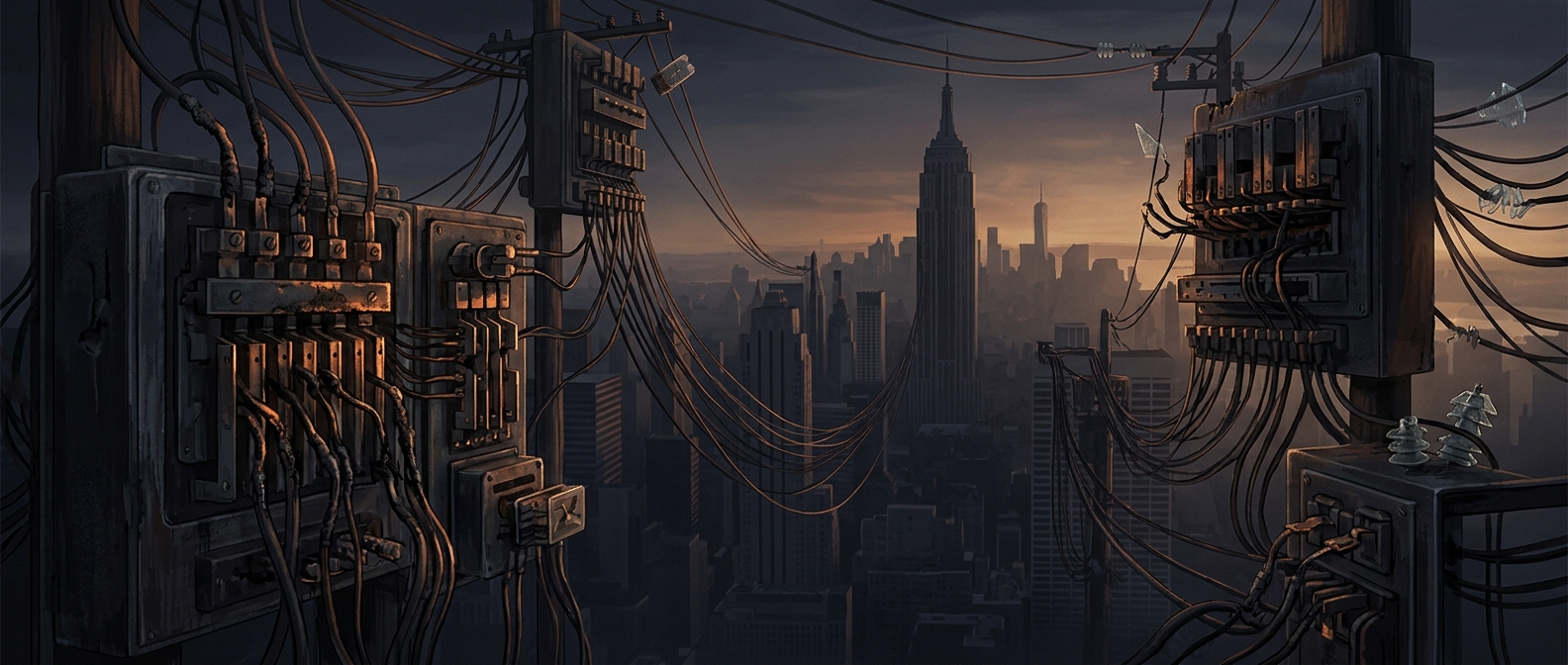
That arrangement makes a central office a powerful point of failure. A fire inside one can disable not just the building’s own phones, but the switching equipment and line connections serving a large neighborhood. The phones themselves may be untouched; the path that lets them reach anyone else is what has been lost.
Repairing a Network One Connection at a Time
Telephone cables contain many separate pairs of copper wires, with each pair carrying a customer’s line. Where cables meet equipment—or connect to other cable sections—technicians must join the right wires to preserve each line’s route. A damaged bundle is not one broken wire: it can mean thousands of individual connections to identify, repair, and test.
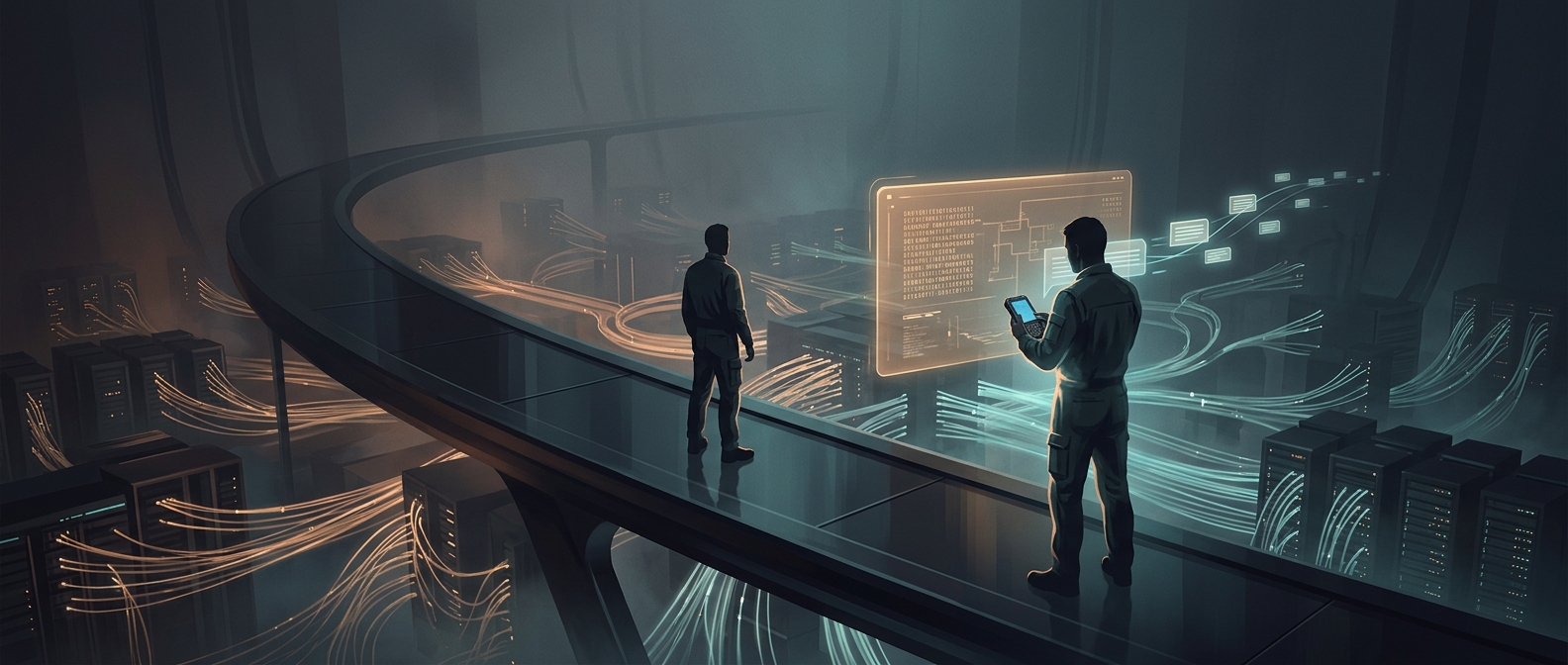
After the fire, restoring service therefore demanded more than replacing a few large machines. Technicians had to rebuild connections across a dense web of wires, often working by hand, then check that lines worked. The scale of that work helps explain why thousands of technicians spent weeks on recovery even after the immediate emergency had passed.
The episode exposed a tradeoff built into centralized telephone service: concentrating switching equipment made it possible to connect a city efficiently, but damage at one crucial site could interrupt service for many people at once. Getting those customers back online meant tracing the network’s reach through millions of small, physical connections.