Why a distant phone can miss its turn
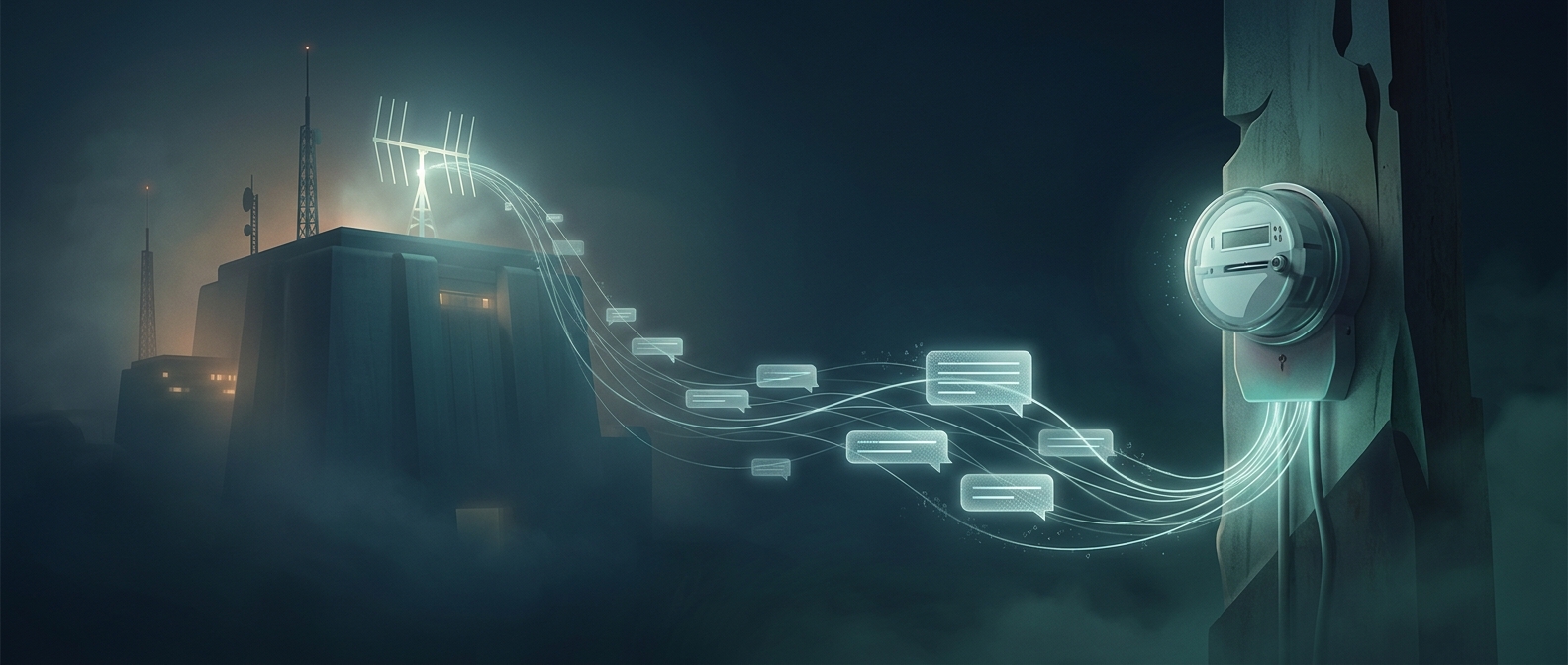
A cell network does more than send radio signals back and forth: it also coordinates when phones transmit. In many systems, nearby handsets share radio channels by taking turns in tightly timed slots. The tower must receive each phone’s signal inside its assigned slot so it does not overlap with another user’s transmission.
But radio waves take time to travel. A phone far from the tower’s antenna sends its signal later than one nearby, even if both transmit at the same instant. To compensate, the network tells a handset to transmit a little early—a correction called timing advance. The farther away the phone is, the larger the correction must be.
The timing window sets a boundary
That correction has a maximum. A system can represent only a limited range of timing-advance values, and its transmission slots include only a finite window for signals to arrive. Past the supported distance, the handset cannot be told to transmit early enough for its signal to land in the right slot. It may arrive late and spill into time reserved for another transmission.
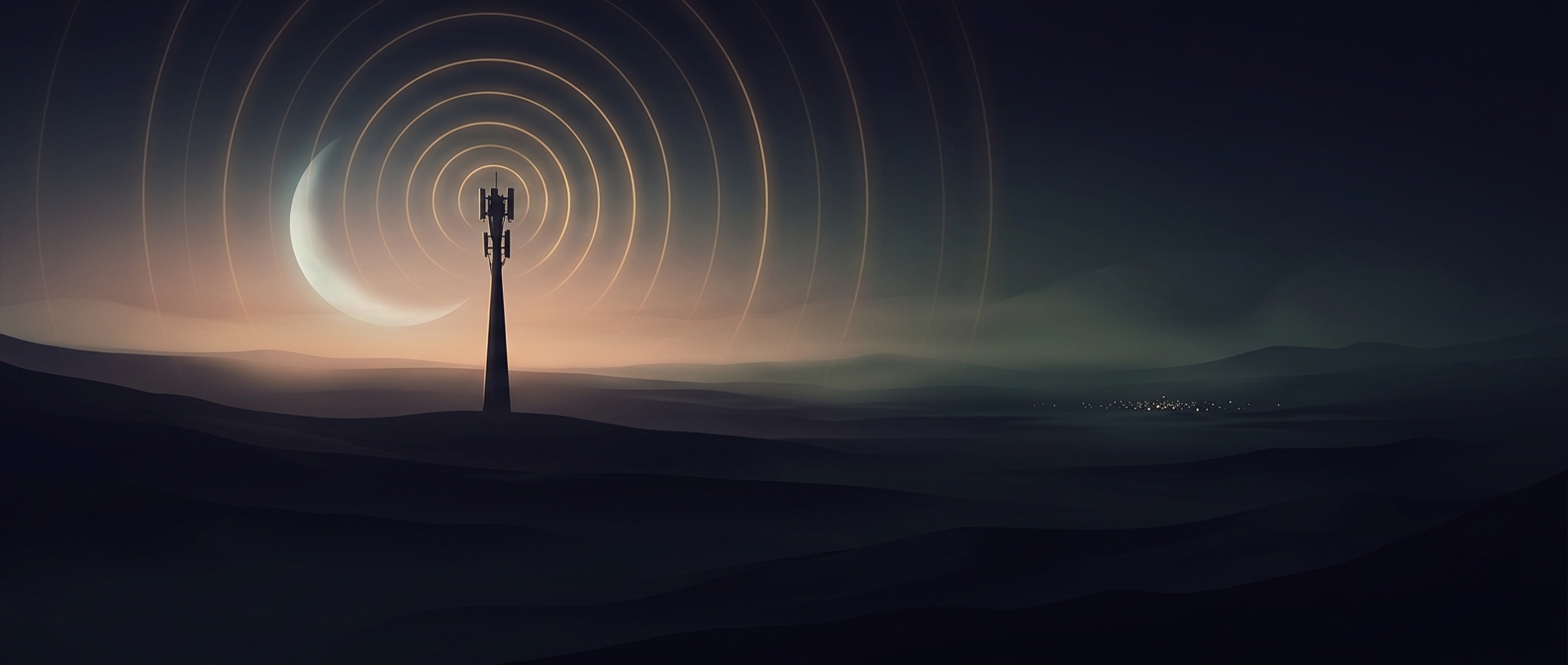
This is why a clear line of sight does not guarantee a connection. The radio signal might still be physically detectable, but the network may no longer be able to coordinate it reliably. The practical boundary depends on the cellular technology and how the network is configured; it is not a single universal radius for every tower.
A tower’s reach is therefore partly a scheduling problem, not just a question of how much power its antenna can broadcast. Beyond the timing window, a stronger signal alone cannot make the handset arrive on time.