How a meter turns use into a message
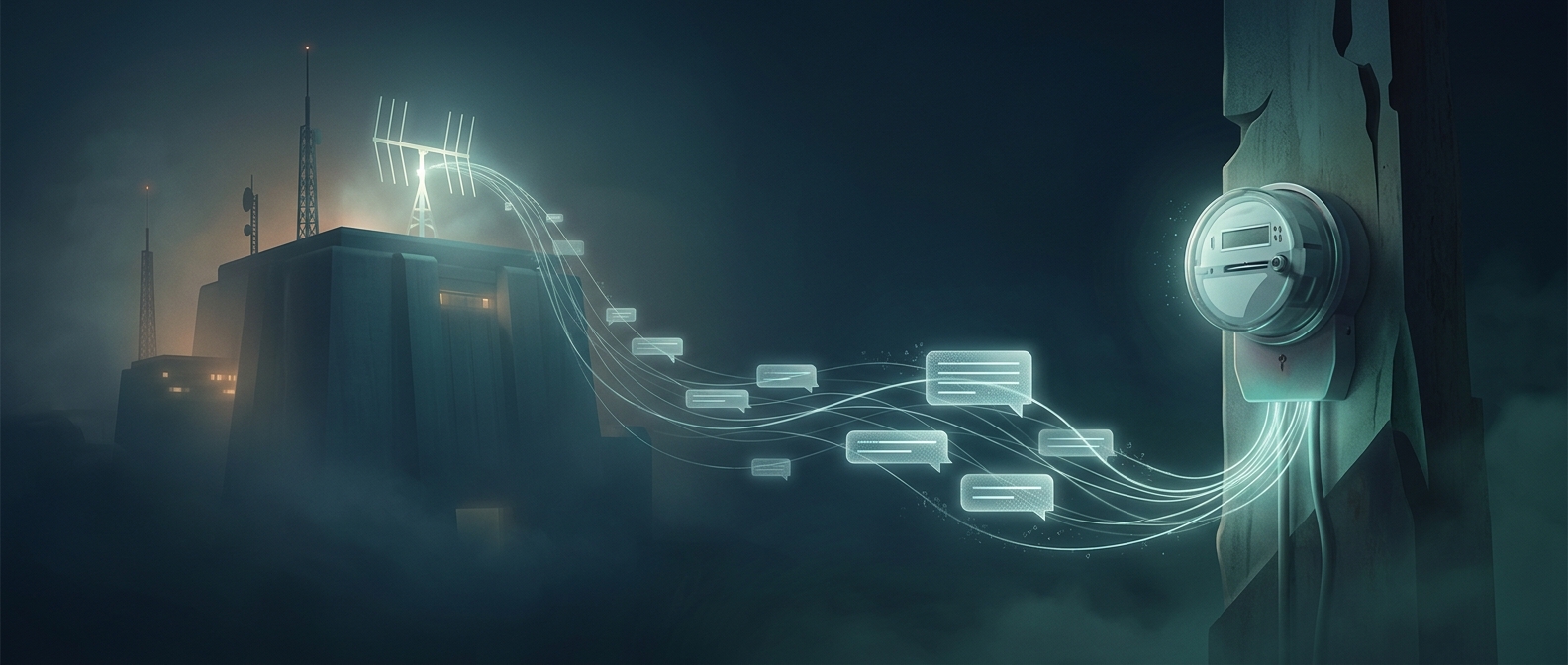
Inside a digital utility meter, sensors track the quantity the customer is billed for—for example, electricity flowing through a service line. The meter records readings over time, then a small cellular radio packages them into data and sends them over a mobile network to the utility’s computer system. The radio is a communications device, separate from the equipment that measures consumption.
That distinction matters: the meter is reporting what passed through it, not sending a bill or switching service on and off. The utility’s software matches the reading to an account and applies the relevant rates. Depending on the meter and service, readings may arrive daily or at another interval.
What changes when readings arrive remotely
A conventional meter reading is a snapshot taken during a visit. Frequent remote readings give the utility a series of snapshots, making it easier to calculate bills from actual recorded use rather than rely on estimates between visits. They can also help staff notice an unexpected change in a meter’s readings and investigate sooner, although a reading alone may not explain its cause.
The same detail creates a new responsibility: consumption records reveal patterns over time, so utilities must handle them as customer data, not just numbers on a bill. For customers, the visible change is simple—there may be no meter-reader visit, but the meter is still quietly counting what the household uses.