A closer look
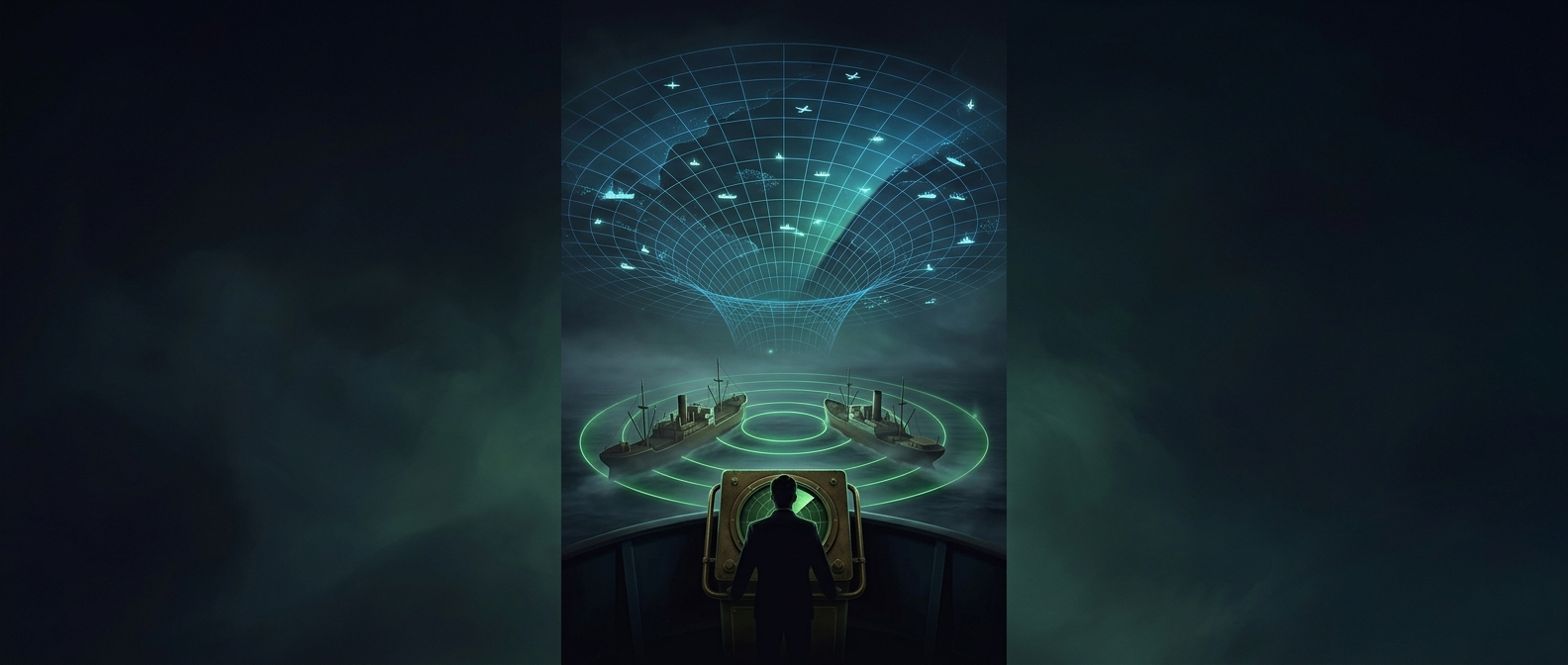
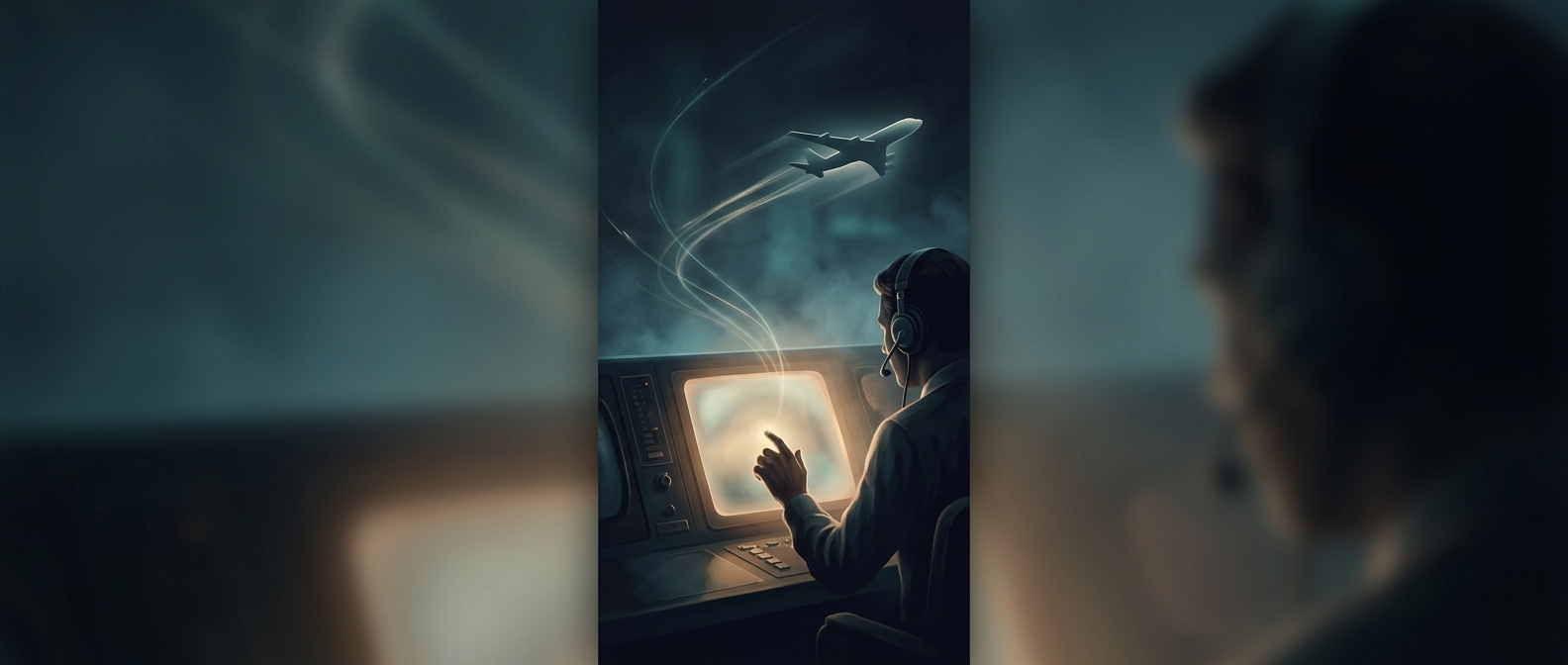
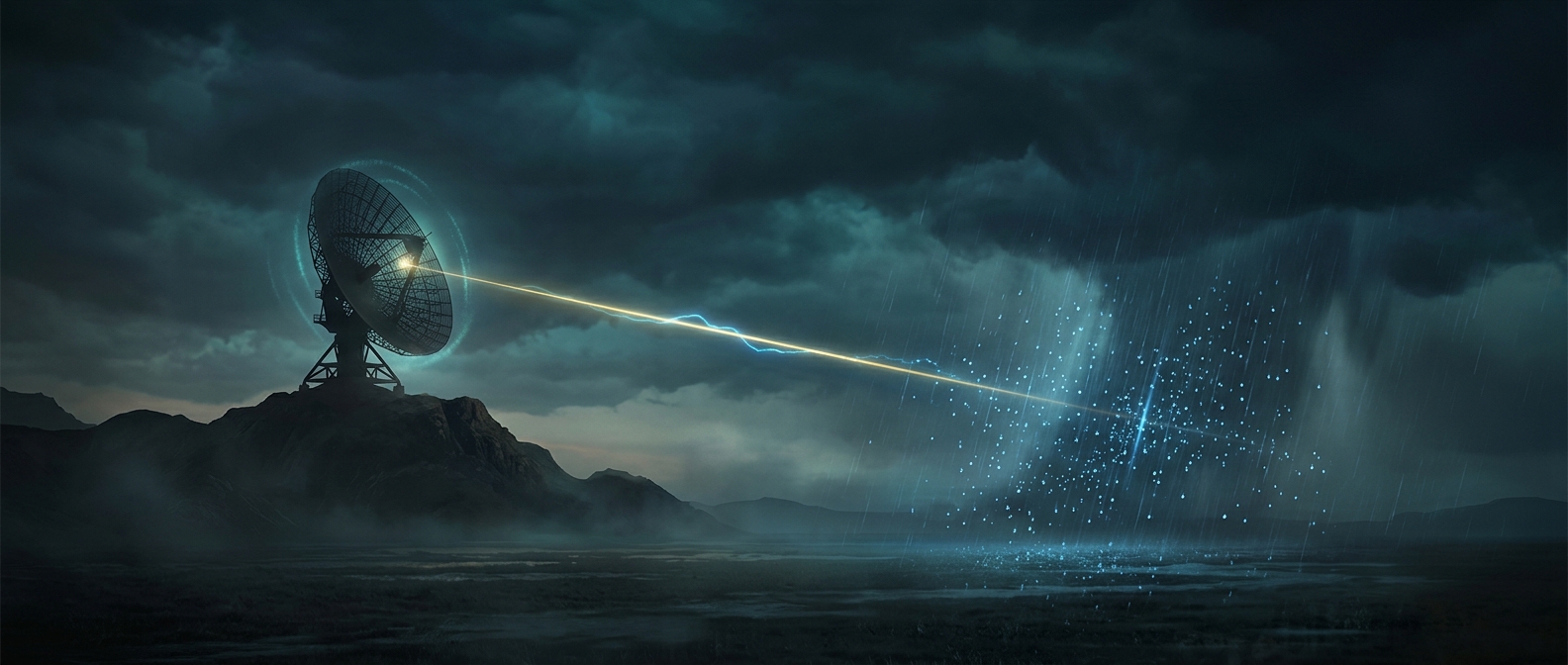
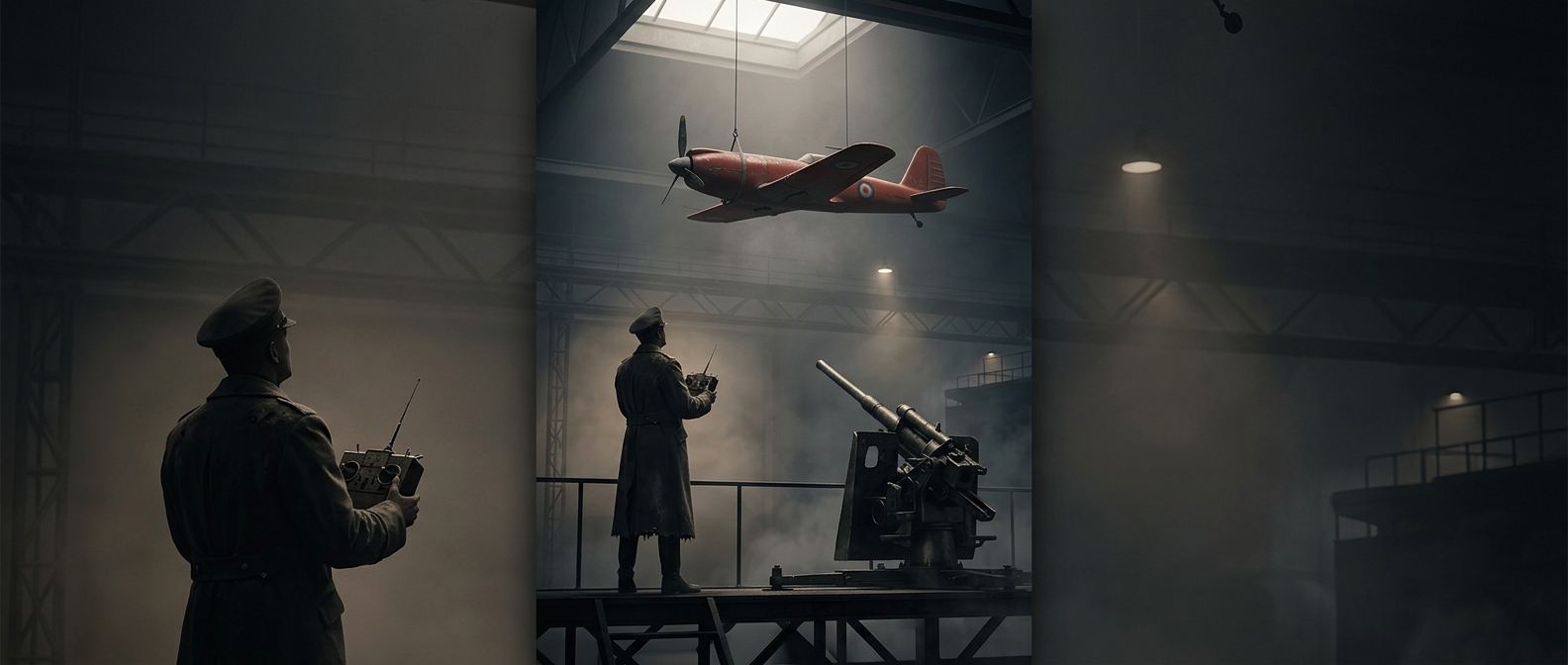
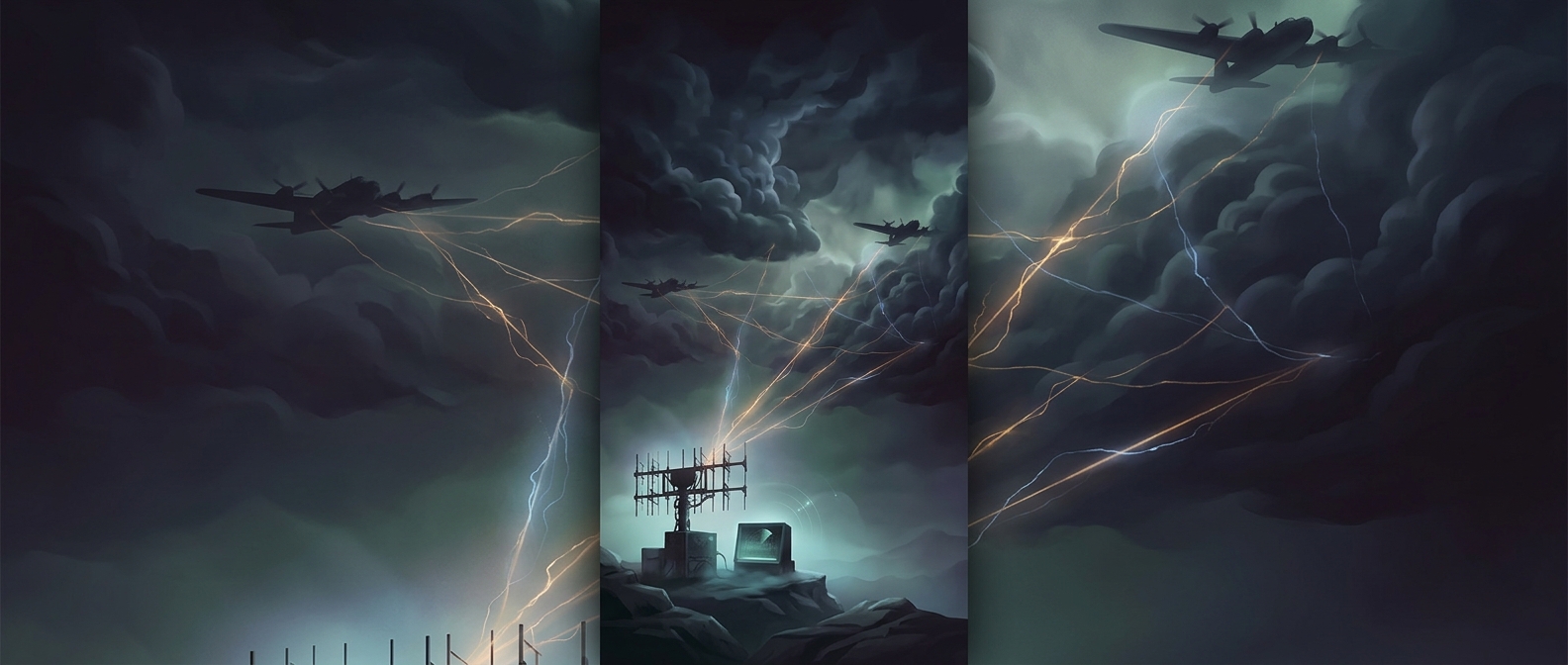
The revolutionary radar interface that saved Britain in WWII was originally just a tool meant to help pilots dodge bad weather. Robert Watson-Watt wasn't trying to spot the Luftwaffe; he was a meteorologist tracking thunderstorms using radio static displayed on cathode-ray oscilloscopes. When asked by the military to build a 'death ray,' he essentially laughed and offered them a detection system instead. He repurposed his squiggly, hard-to-read proto-interface from plotting lightning strikes to plotting incoming bombers, accidentally giving birth to the modern radar display.