Technology
Discover facts about technology. Small discoveries that change the way you see familiar things.
Technology

How lasers erase tattoo ink from your body
The laser breaks pigment into tiny fragments, which immune cells can clear from the body over multiple treatments.
Discover more
Those neon fish were made with jellyfish proteins
The fish were genetically engineered with fluorescent-protein genes from jellyfish and sea anemones. The technology was originally developed to help detect…
Discover more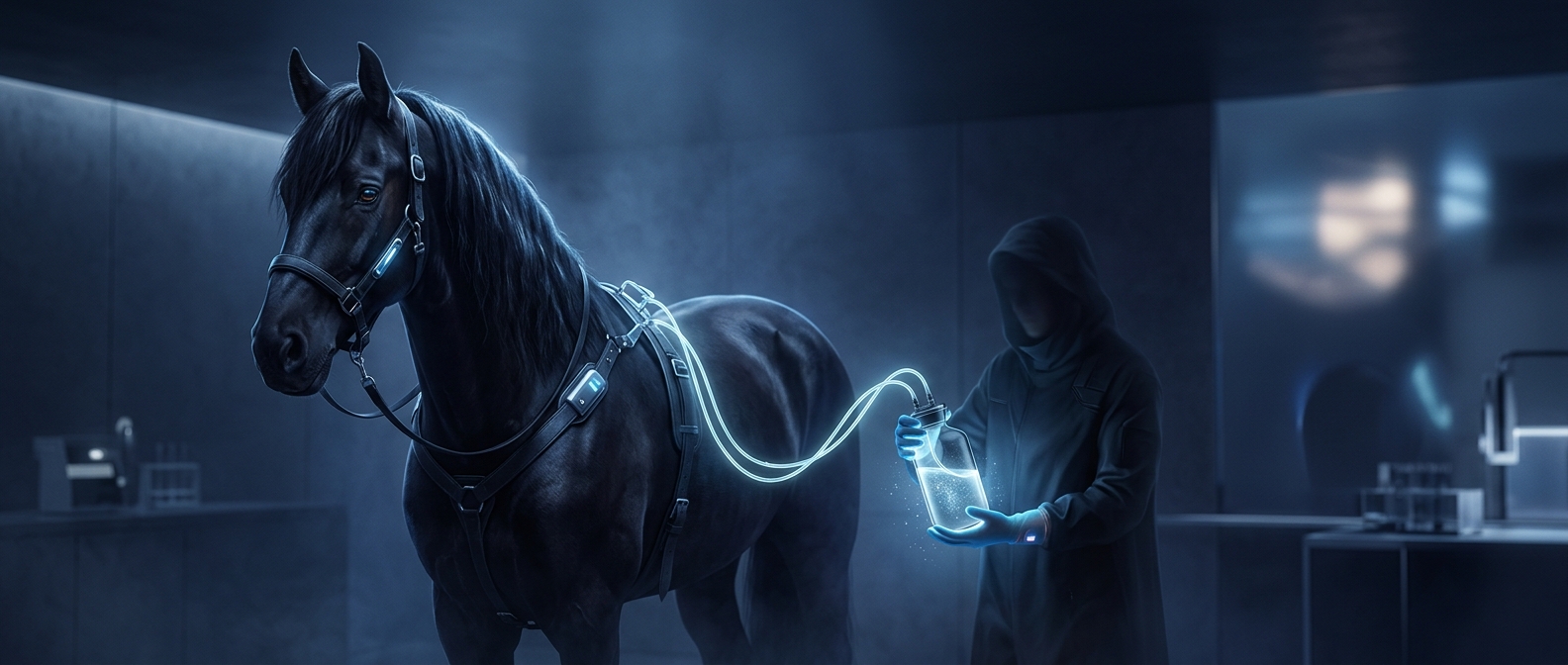
Antivenom starts with a horse's immune system
Horses or sheep are exposed to small amounts of venom; their antibodies are then collected and purified into antivenom for people.
Discover more
A non-dairy label can still sit above a milk ingredient
Some U.S. products labeled non-dairy contain caseinate, a protein derived from milk. Ingredient labeling must identify that milk source. Lactose is a sugar…
Discover more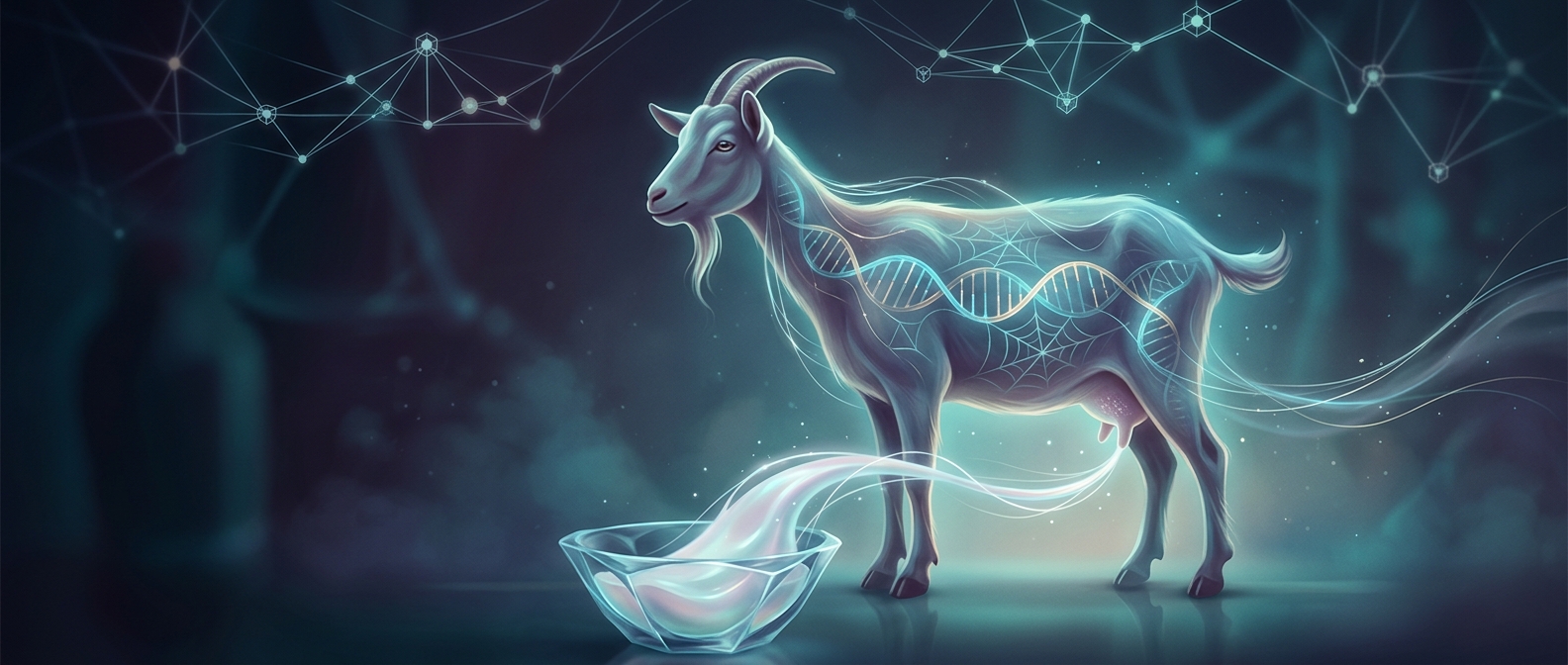
The goats that produce spider-silk proteins
Scientists inserted spider-silk genes into goats, whose milk contains proteins that can be extracted and spun into fibers.
Discover more
A regulatory DNA switch helped this salmon grow faster
AquAdvantage salmon is an Atlantic salmon carrying a Chinook growth-hormone gene controlled by an ocean-pout DNA sequence. That control sequence changes how…
Discover more STACKY FOR IPHONE
A bigger world.
One discovery
at a time.
Keep discovering with Stacky. Interesting facts in an app that is always within reach.
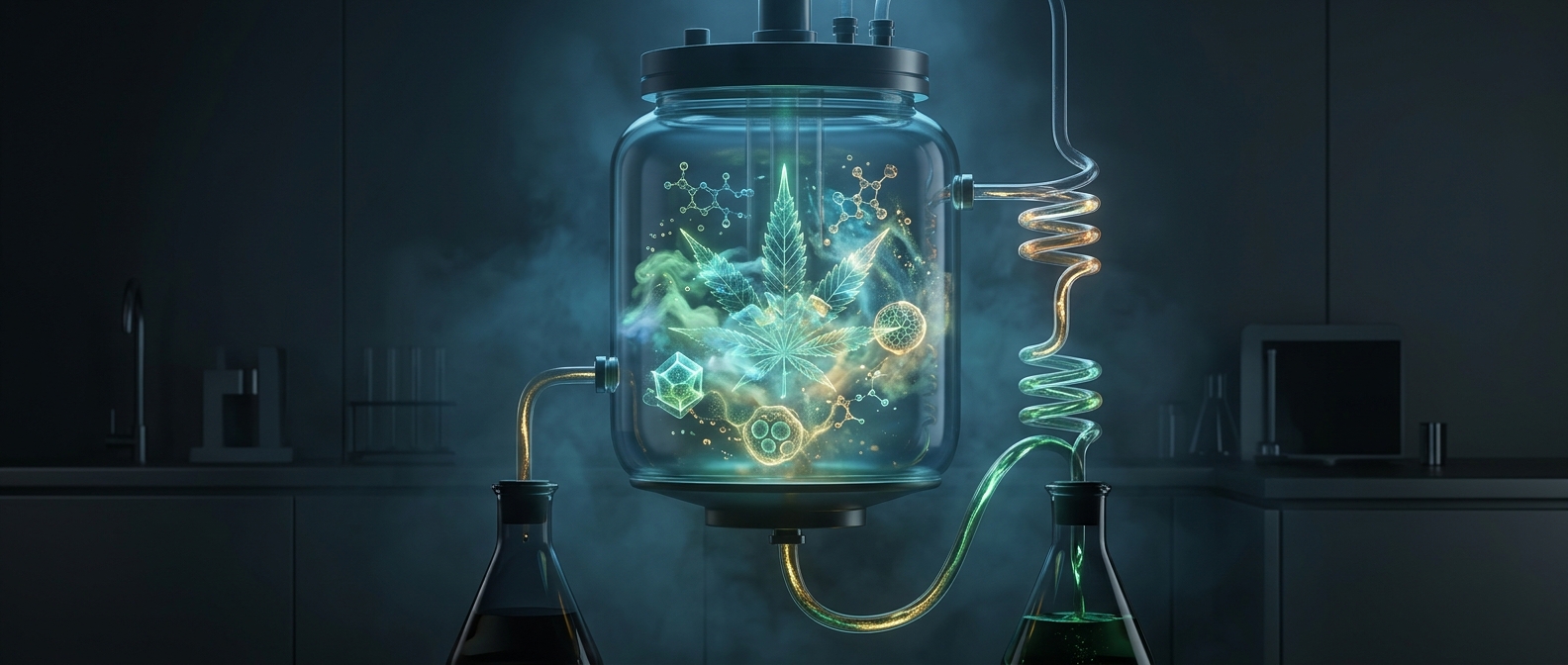
Scientists made yeast brew THC and CBD
By modifying baker's yeast, scientists made it consume sugar and produce THC and CBD, offering a way to make the compounds without growing cannabis plants.
Discover more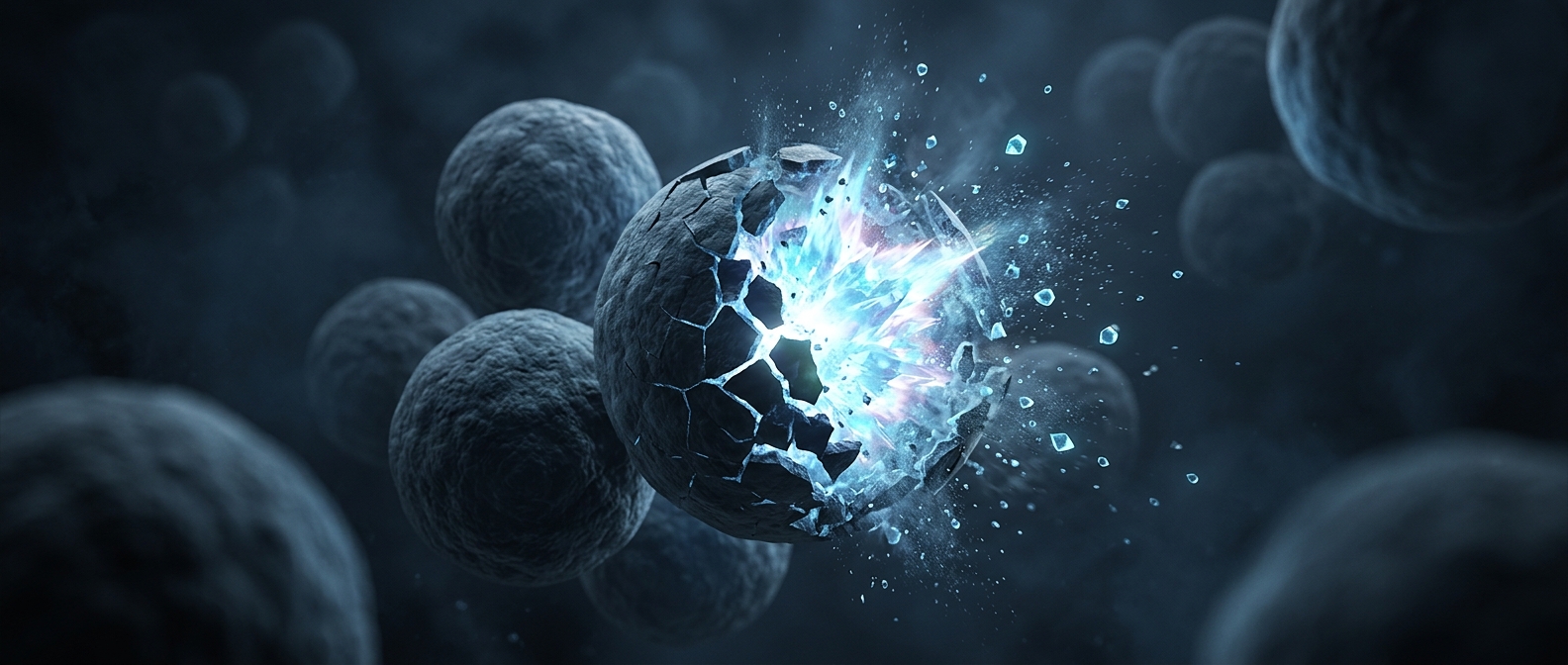
Alcohol sanitizer disrupts the structures bacteria need to survive
It damages cell membranes and changes the shape of proteins, interfering with their normal work. Effectiveness depends on the formulation, contact, and…
Discover more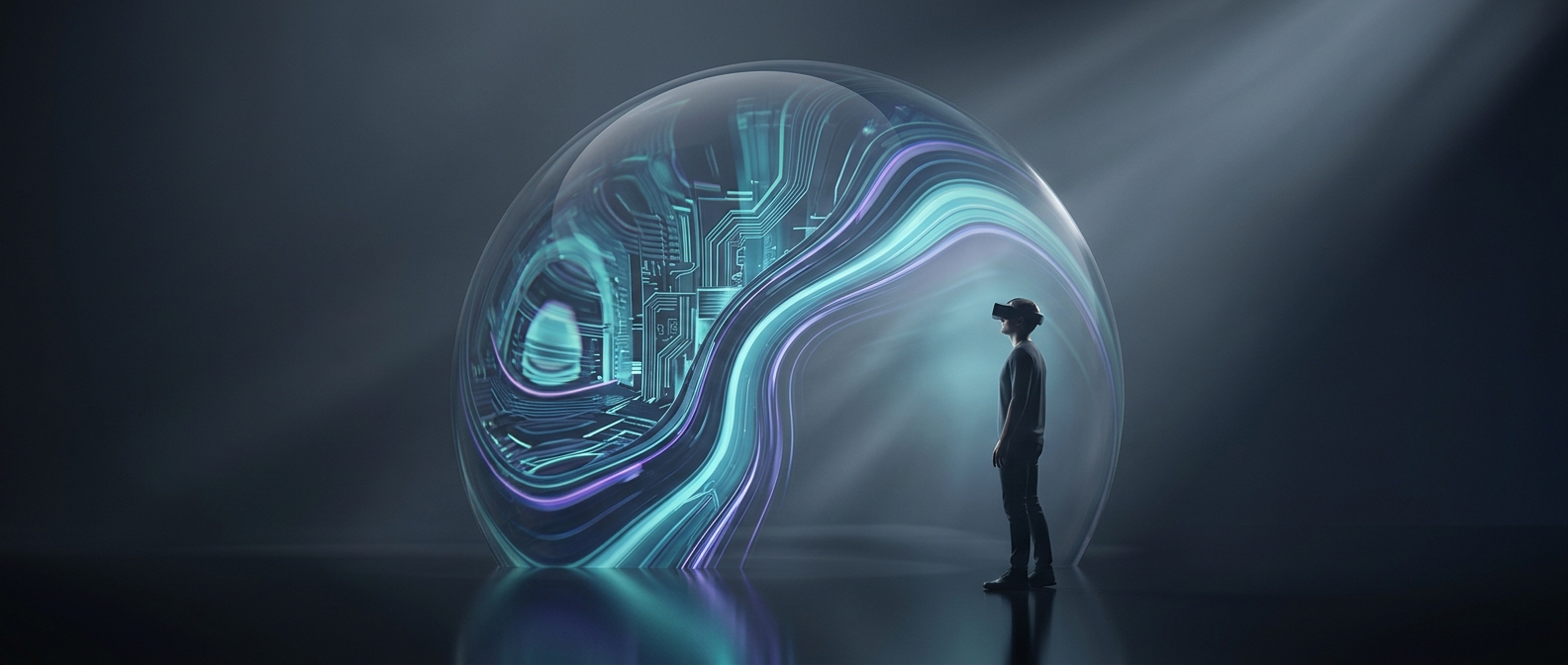
Why VR headsets distort the image on purpose
The headset’s magnifying lenses distort the image, so its processor pre-warps the picture in the opposite direction. The two distortions cancel out, producing…
Discover more
The unlikely origins of face-swapping deepfakes
Early neural-network face-swapping tools were used to put celebrities into adult films, long before manipulated media became a political concern.
Discover more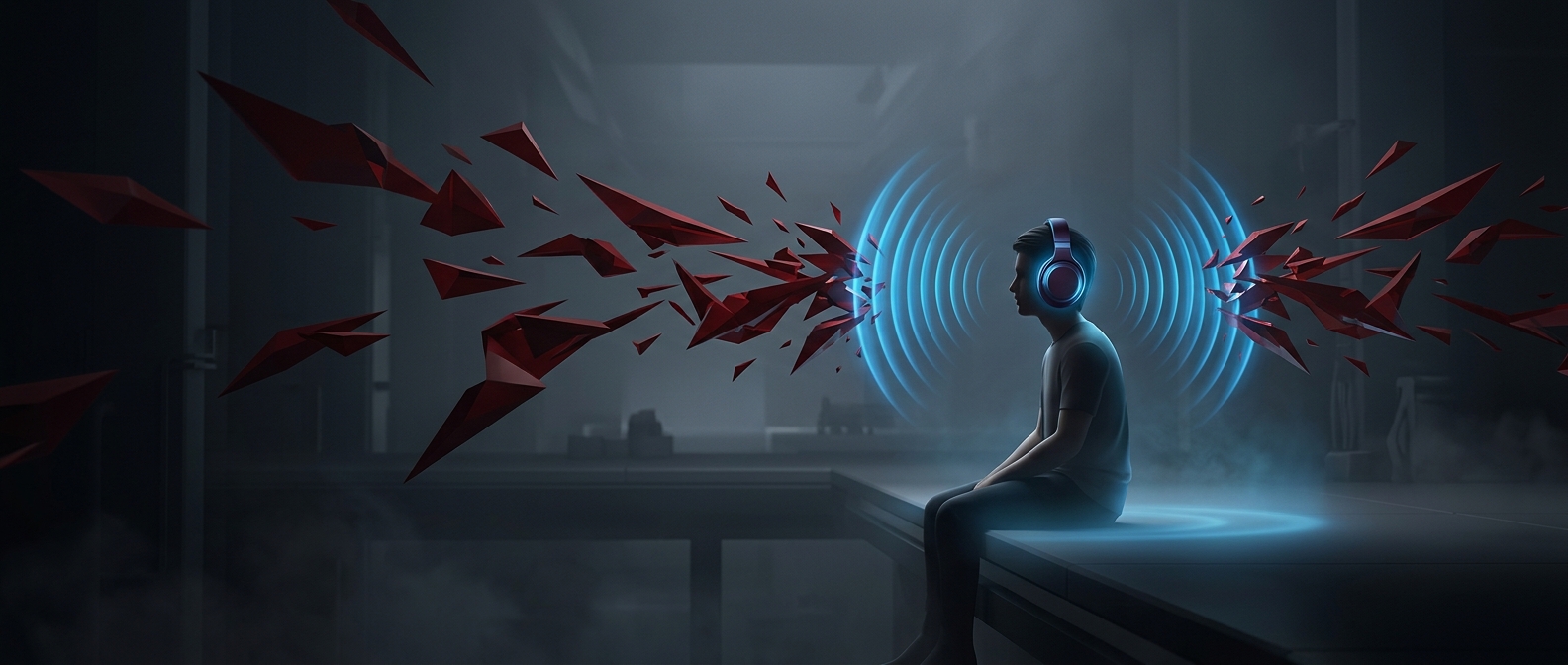
How noise-canceling headphones erase engine noise
Microphones detect low, steady sounds such as an airplane engine, then the headphones play an inverted sound wave that cancels much of the noise.
Discover more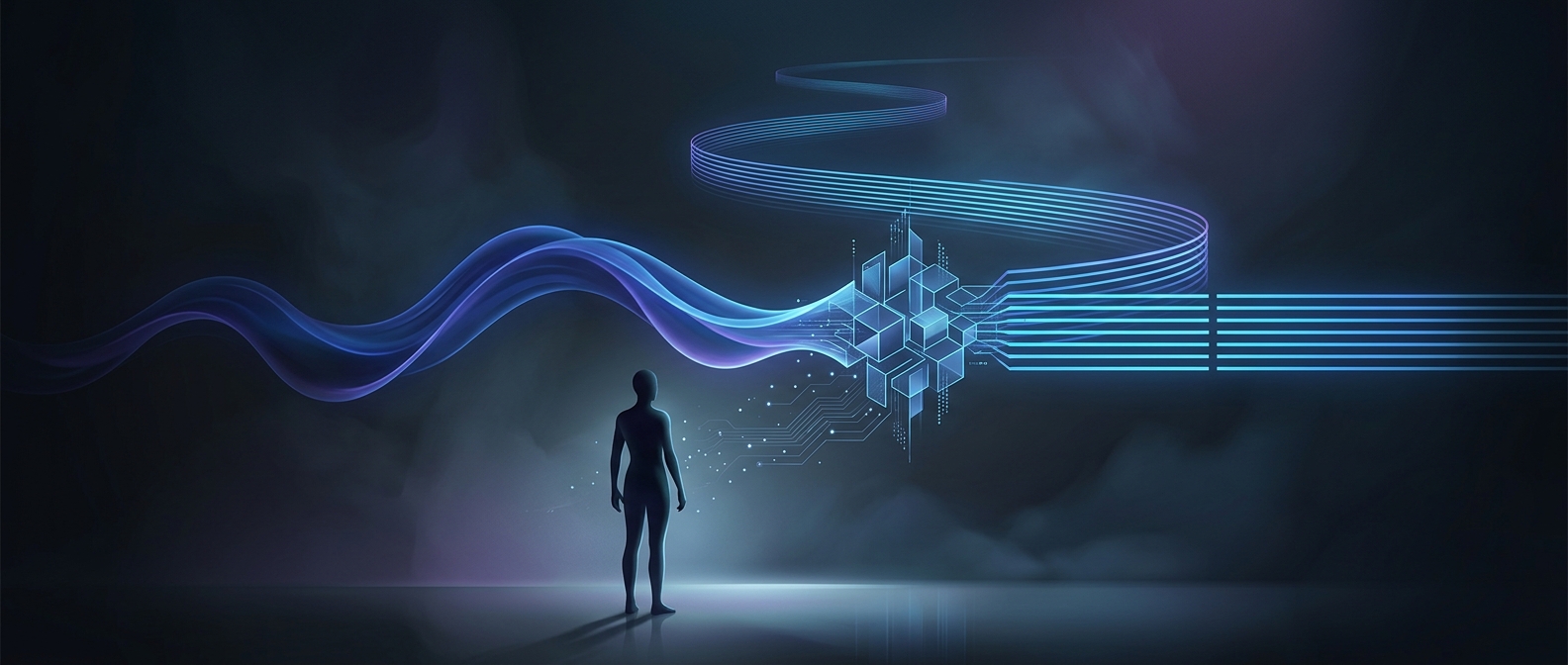
The robotic vocal effect comes from correcting pitch too quickly
Ordinary pitch correction can move a voice gently toward a target note. Turn the retuning speed up and the transition becomes abrupt, creating the…
Discover more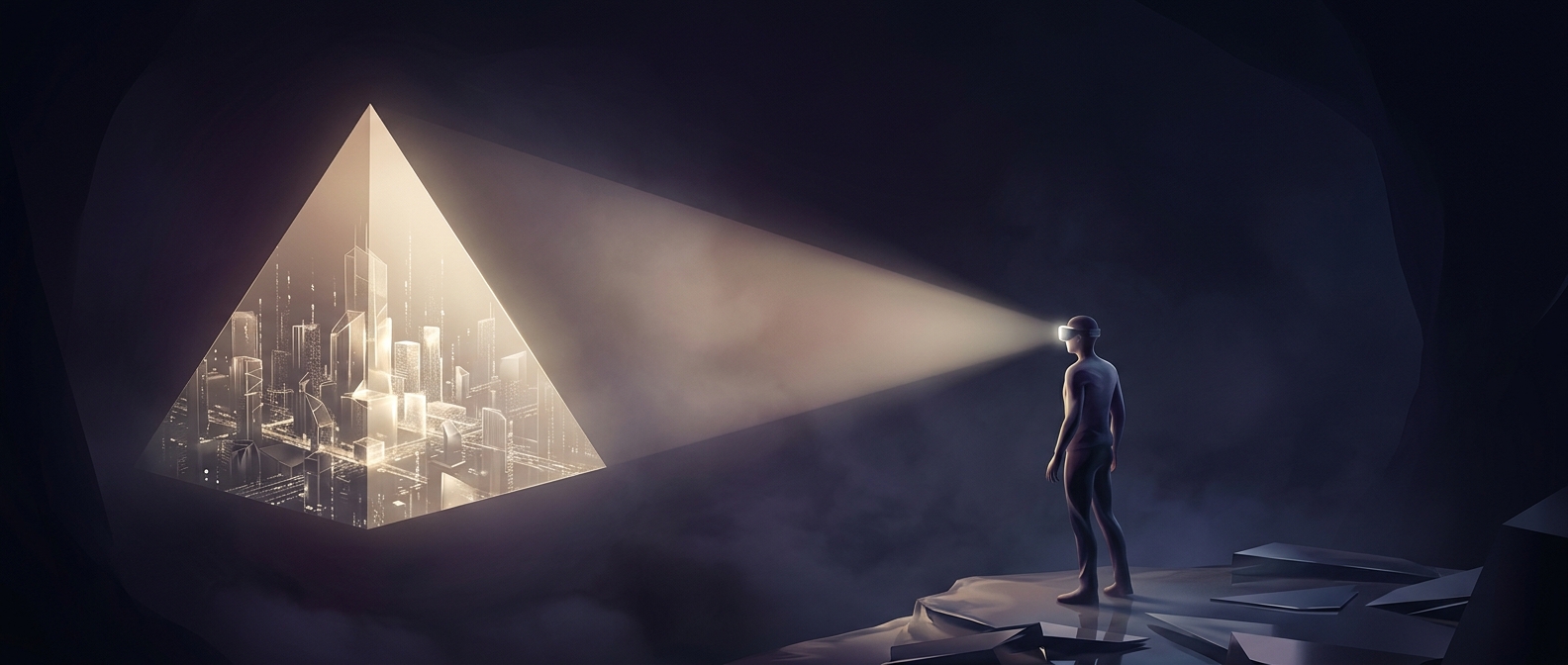
Frustum culling hides everything outside your field of view
The game usually skips rendering objects outside the camera’s view, saving processing power for what you can see. Turn around, and those buildings or enemies…
Discover more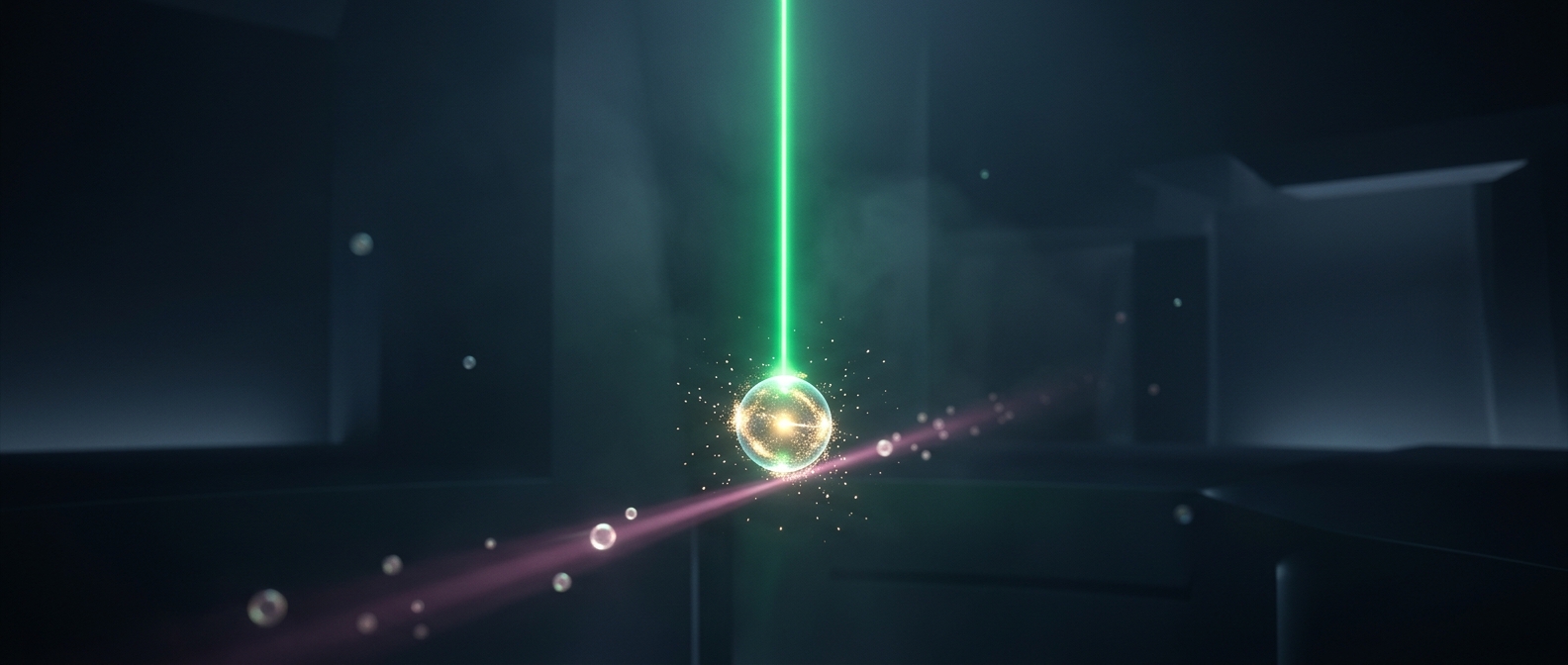
Lasers can act as tweezers for tiny particles
Focused laser beams can trap tiny particles such as atoms and bacteria, acting like microscopic tweezers.
Discover more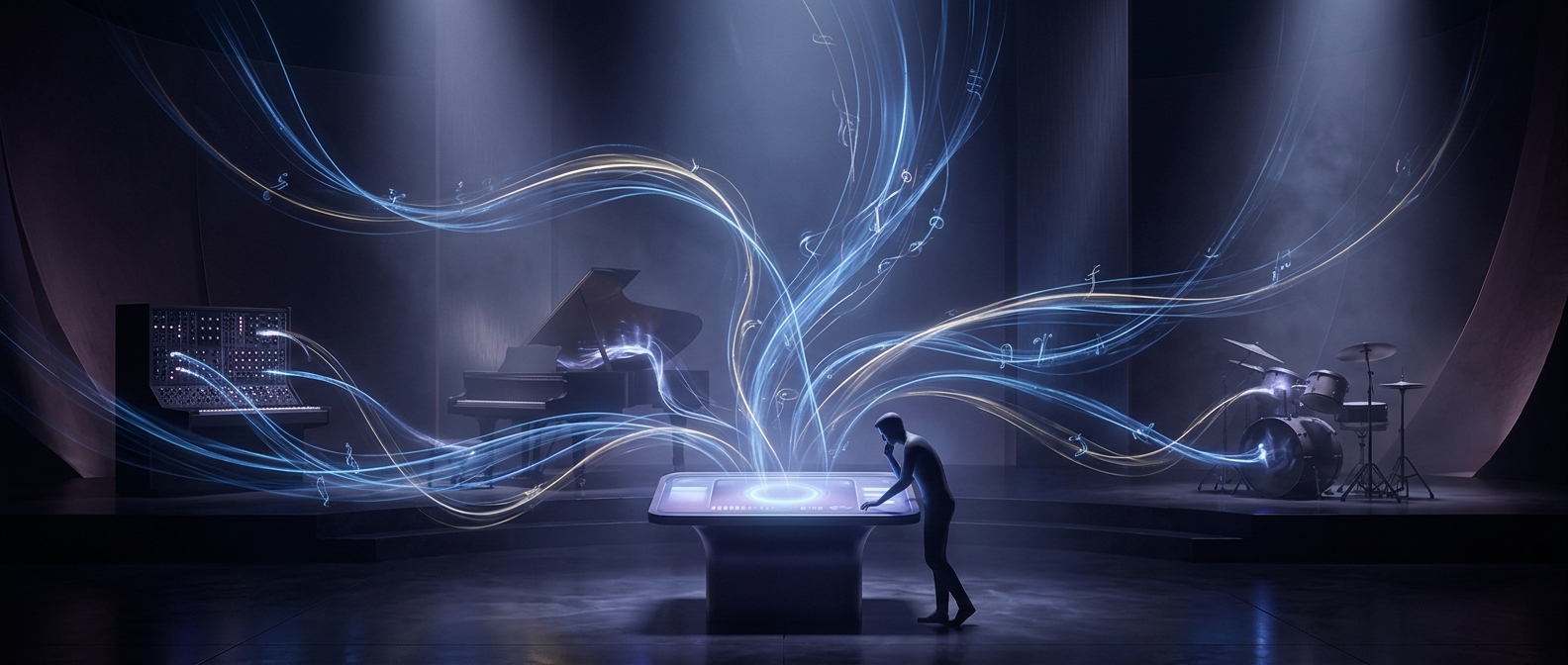
MIDI sends instructions, not sound
It sends note instructions—such as “Press Middle C at velocity 100”—rather than audio; the receiving device must generate the sound, like a robot reading…
Discover more
Why fake oceans can drain a studio's power
Simulating waves means calculating millions of tiny liquid particles as they collide. The processing demand was so high that early attempts even overloaded…
Discover more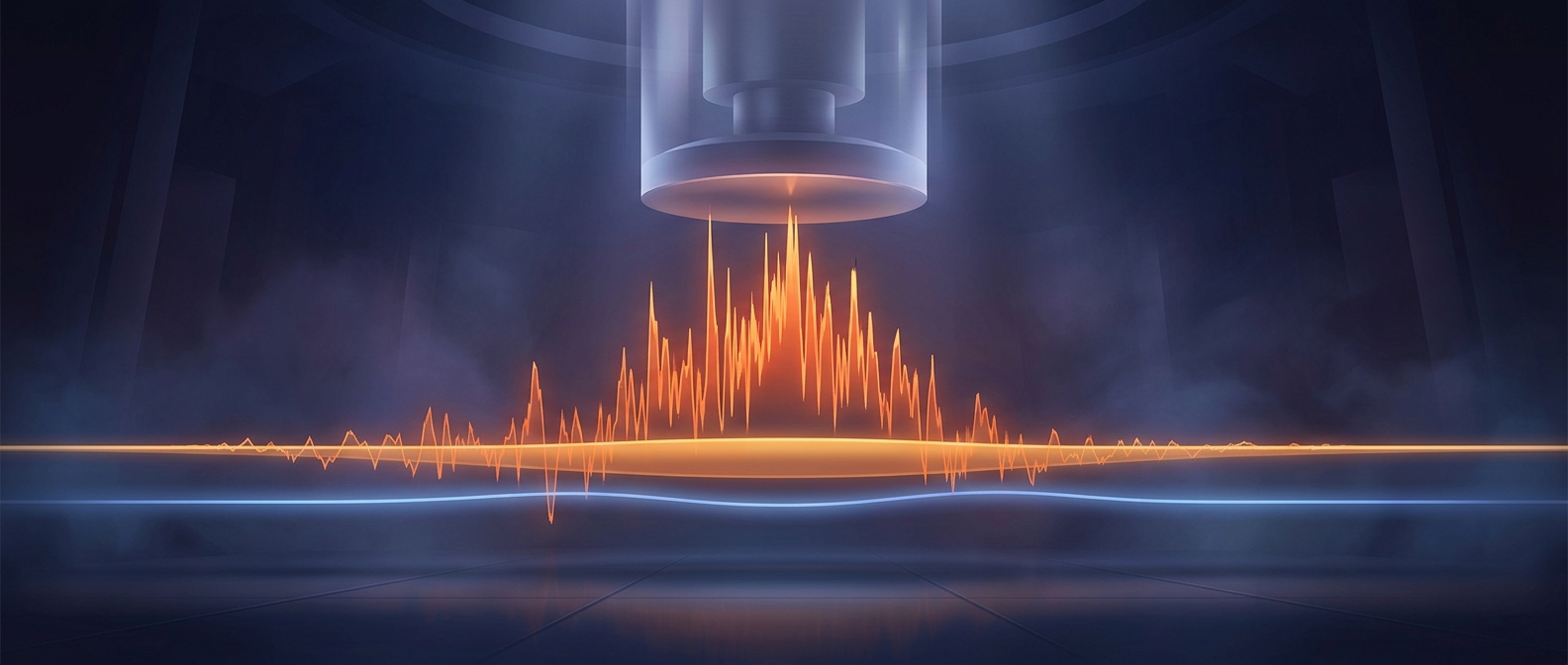
Audio normalization crushes loud sounds to match quiet ones
When a loud drum hit crosses a set threshold, a limiter turns the level down, compressing the difference between peaks and quieter passages.
Discover more
Shutter roll effects bend fast objects during downward scans
Because the sensor reads the image line by line from top to bottom, a fast-moving propeller can shift position during the scan and appear bent or detached.
Discover more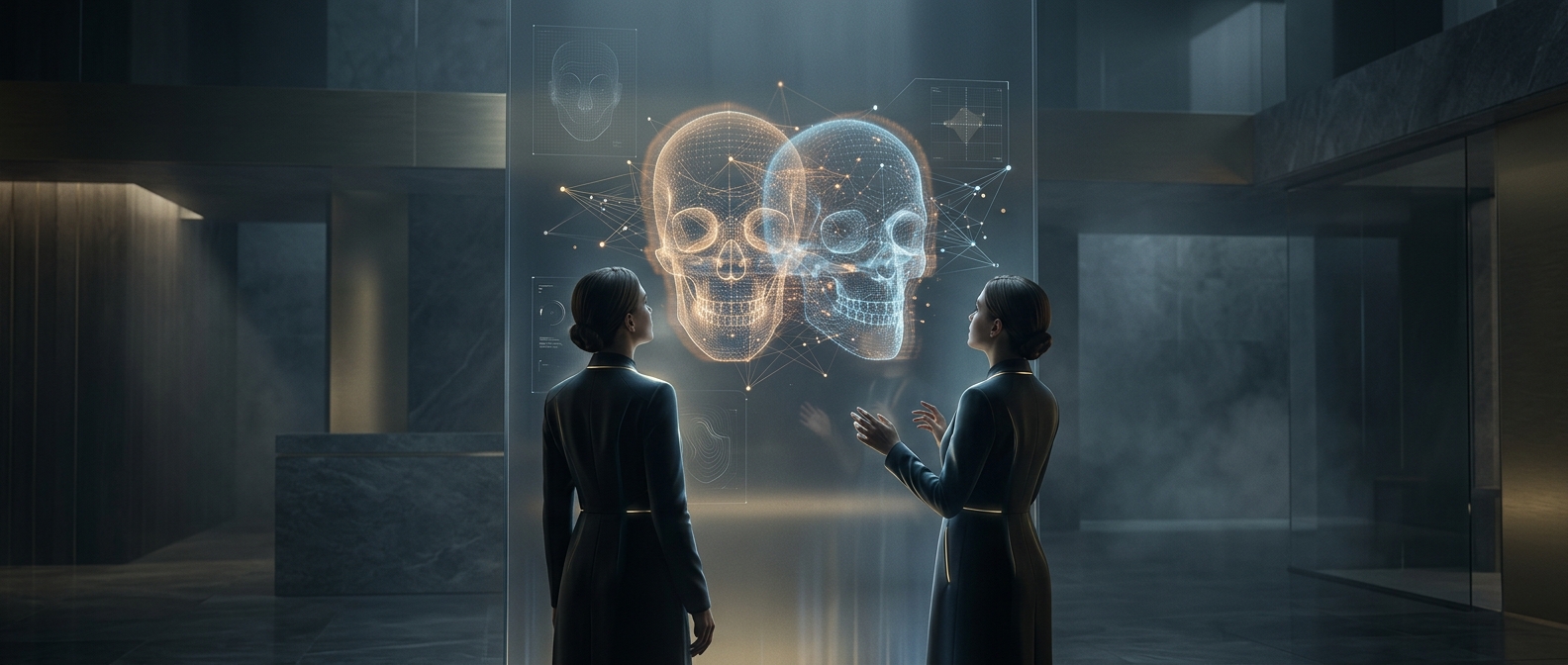
Why identical twins can fool facial-recognition systems
Some facial-recognition systems can struggle to tell identical twins apart because their facial structures are so similar.
Discover more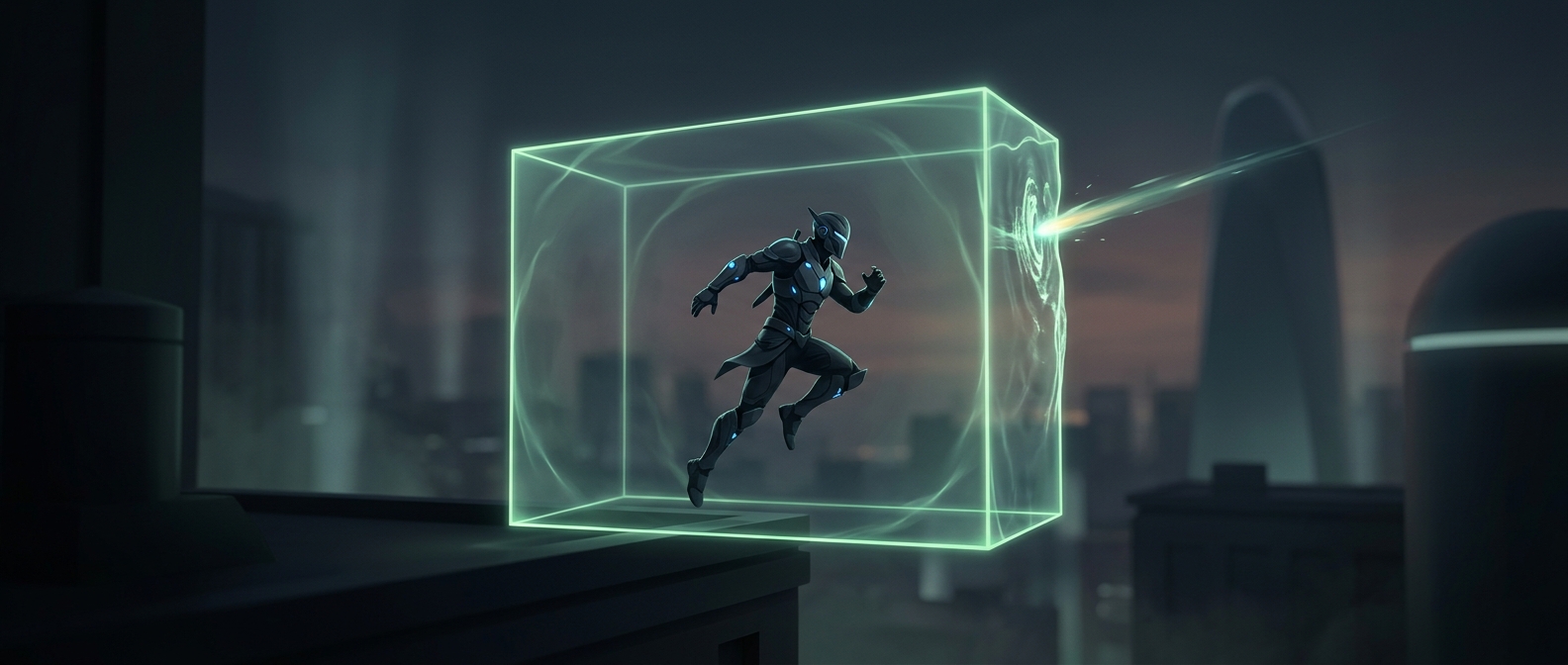
Video game hitboxes are larger than actual character models
Developers can make invisible collision boxes wider than character models, so shots that appear to miss may still register.
Discover more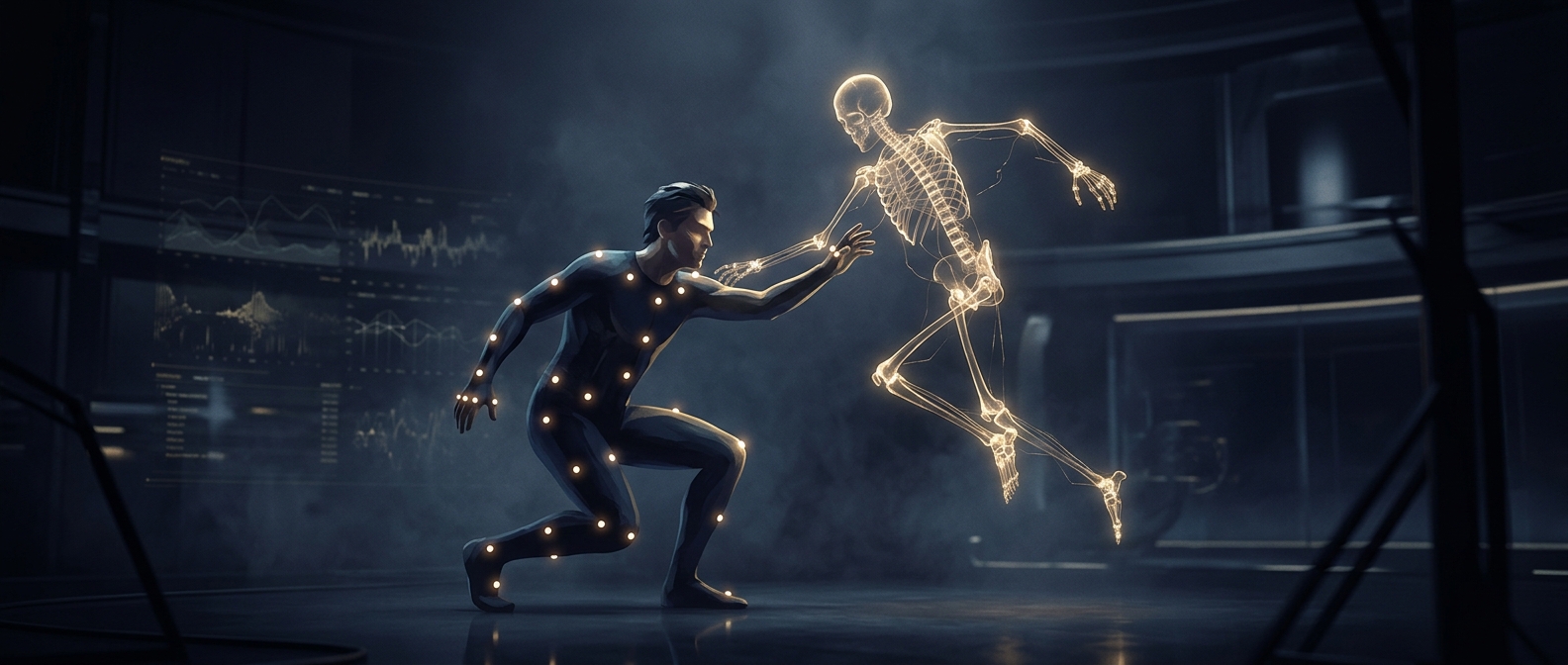
Motion capture actors wear dots to track joint coordinates
Infrared cameras track reflective markers on an actor's limbs, then software uses their positions to build a 3D skeleton—turning a performer in a…
Discover more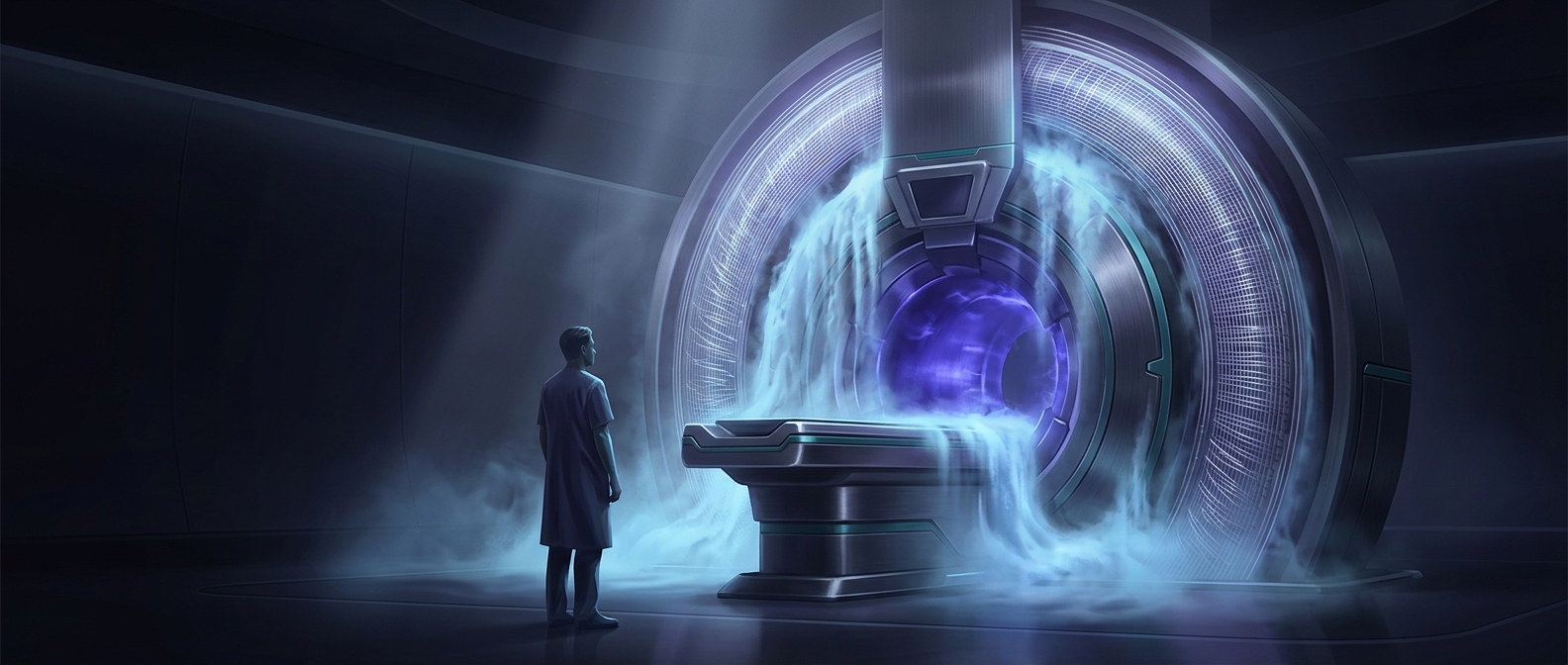
MRI machines use liquid helium to cool superconducting coils
Liquid helium keeps the coils cold enough to superconduct, allowing them to generate the powerful, steady magnetic field used to make images.
Discover more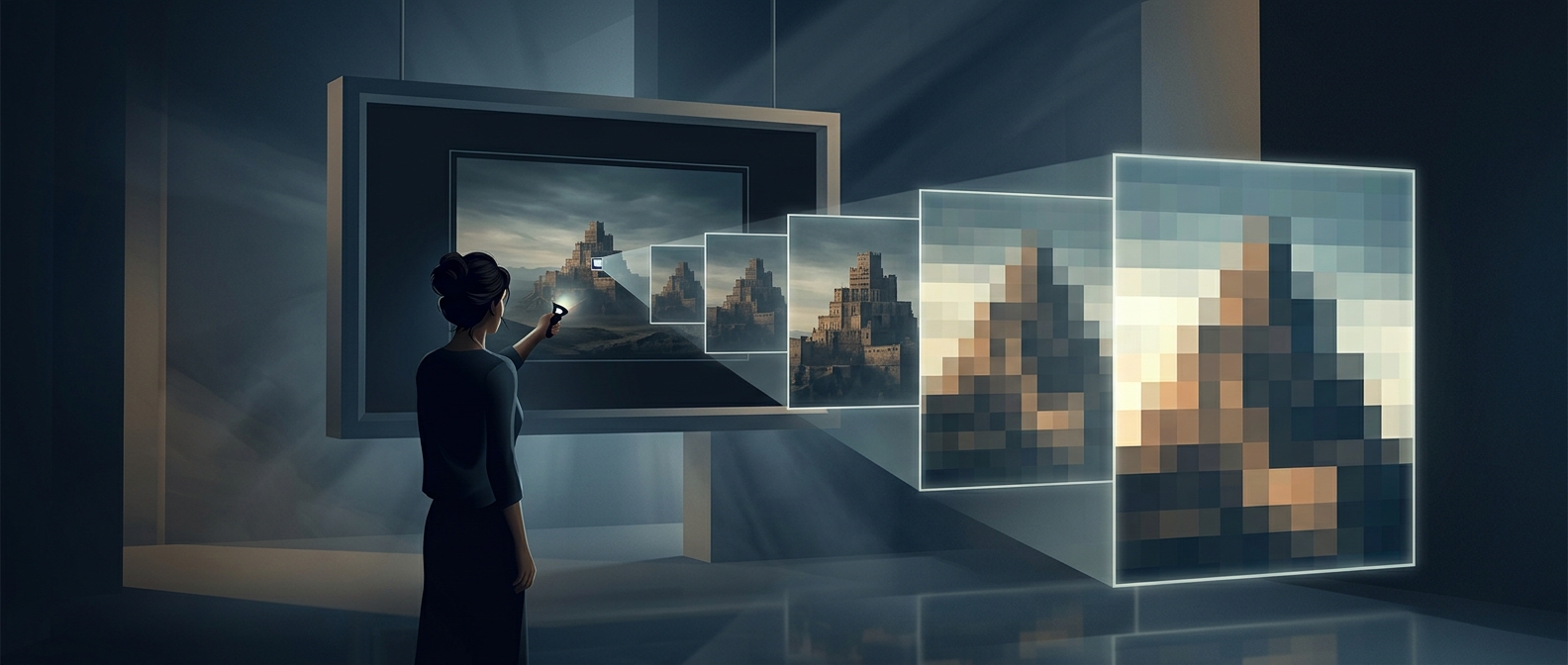
Digital zoom simply crops the image and enlarges the pixels
Digital zoom doesn't magnify light; it crops the image and enlarges the remaining pixels, reducing picture detail.
Discover more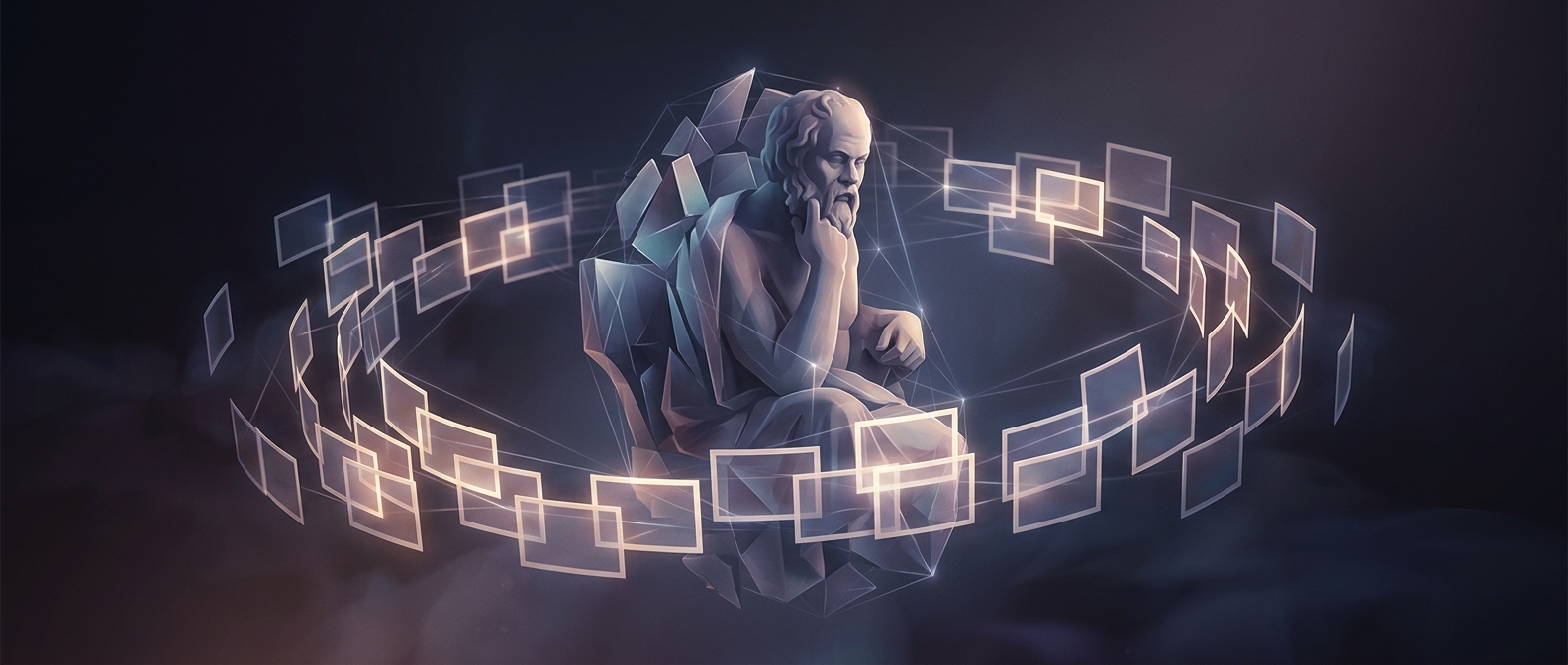
Photogrammetry creates 3D models from overlapping 2D photos
Software compares how features shift across overlapping photos to reconstruct an object's shape in 3D.
Discover more