Why a VR screen has to look warped
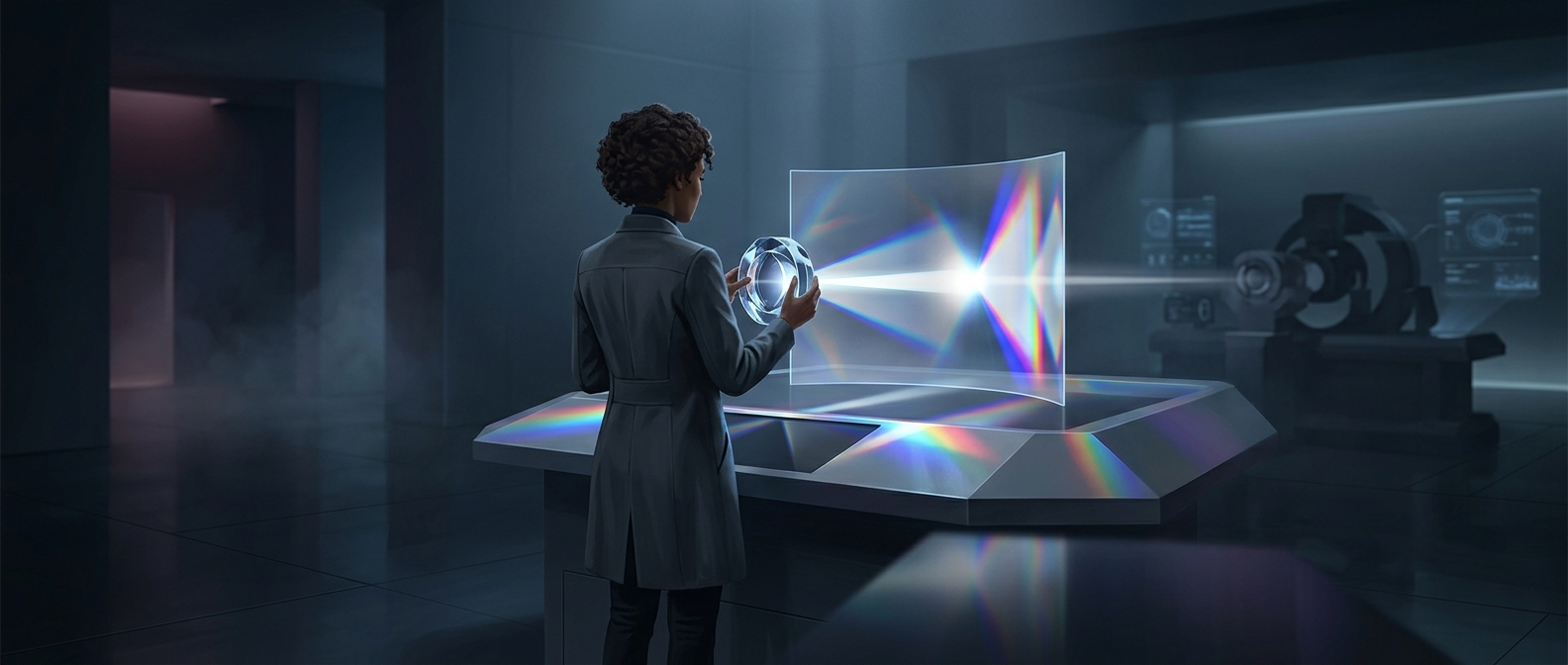
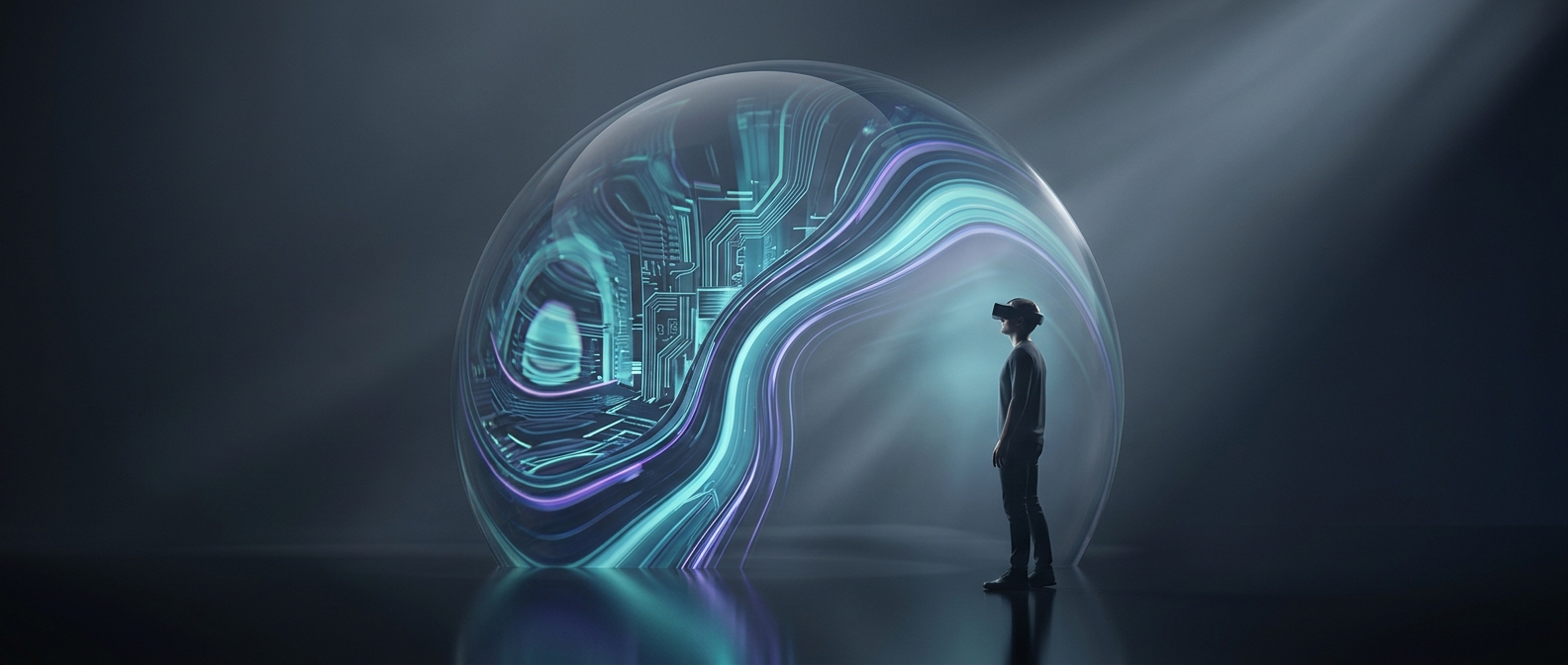
A VR headset places a small display close to your eyes, then uses lenses to make that display appear like a much larger, more distant scene. Those lenses bend light, and their curvature can stretch or compress parts of the image—especially near the edges. If the display showed an ordinary, undistorted picture, the view through the lenses would look bent.
The software reverses the lens effect
Before drawing each frame, the headset’s graphics system maps the scene onto the screen in a deliberately distorted shape. This is called pre-distortion: it bends the image in the opposite way the lens bends the light. The lens then alters that warped picture, and the two effects largely cancel, so straight lines and shapes appear natural to the viewer.
The correction is tailored to the headset’s optics. It can also account for where each eye looks through its lens, because the distortion changes across the field of view. The result is not simply a flat image enlarged in front of the face; it is a carefully coordinated display-and-lens system.
Why the correction matters
Without this compensation, a virtual room could appear curved or stretched, and objects might shift in shape as they moved toward the edge of vision. That would make the scene harder to interpret and could undermine the feeling of looking around a stable space. In a working headset, the picture on the screen may look oddly warped when viewed directly—but through the lenses, that apparent mistake is what makes the virtual world look right.