Why a moving object can seem to stop
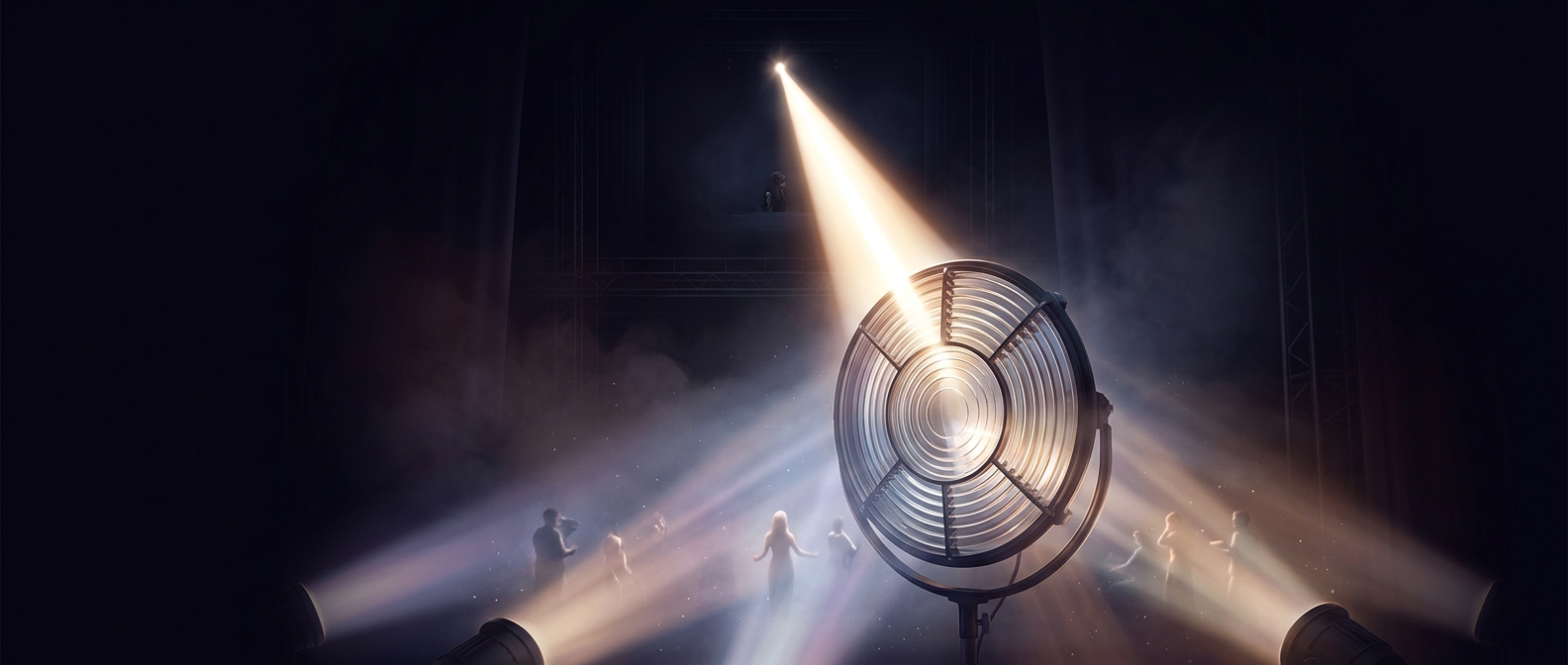
A strobe does not actually slow a fan or dancer. It briefly lights the scene, then leaves it dark. During each flash, the eye gets a sharp view of the object; between flashes, it gets little or no information about where the object went. The brain links those separate views into an impression of motion—or, under the right timing, stillness.
The role of timing
Imagine a fan whose blades turn through exactly one full revolution between flashes. Each flash then catches the blades in the same position. Although the fan kept spinning in the dark, every illuminated snapshot looks identical, so the blades appear stationary. The same effect can occur when the flashes catch the object at positions that repeat after several turns or partial turns.
If the flash rate is close to, but not exactly matched with, the motion, each snapshot lands slightly ahead of or behind the previous one. The object can then seem to creep slowly forward or backward. This is a form of aliasing: when motion is sampled at intervals, different underlying movements can produce the same—or misleadingly similar—sequence of snapshots.
Why the effect depends on the scene
The apparent stillness is strongest when the flashes are brief and the motion repeats regularly, as with rotating blades. A longer flash lets the object travel farther while illuminated, smearing its image instead of freezing it. Irregular movement is harder to make look stationary because successive flashes are less likely to catch it in the same pose.
That is why a fan can seem perfectly stopped under a strobe while still moving fast enough to be dangerous. The frozen look describes what the flashes reveal, not what the machine is doing in the darkness between them.