How overlapping photos reveal depth
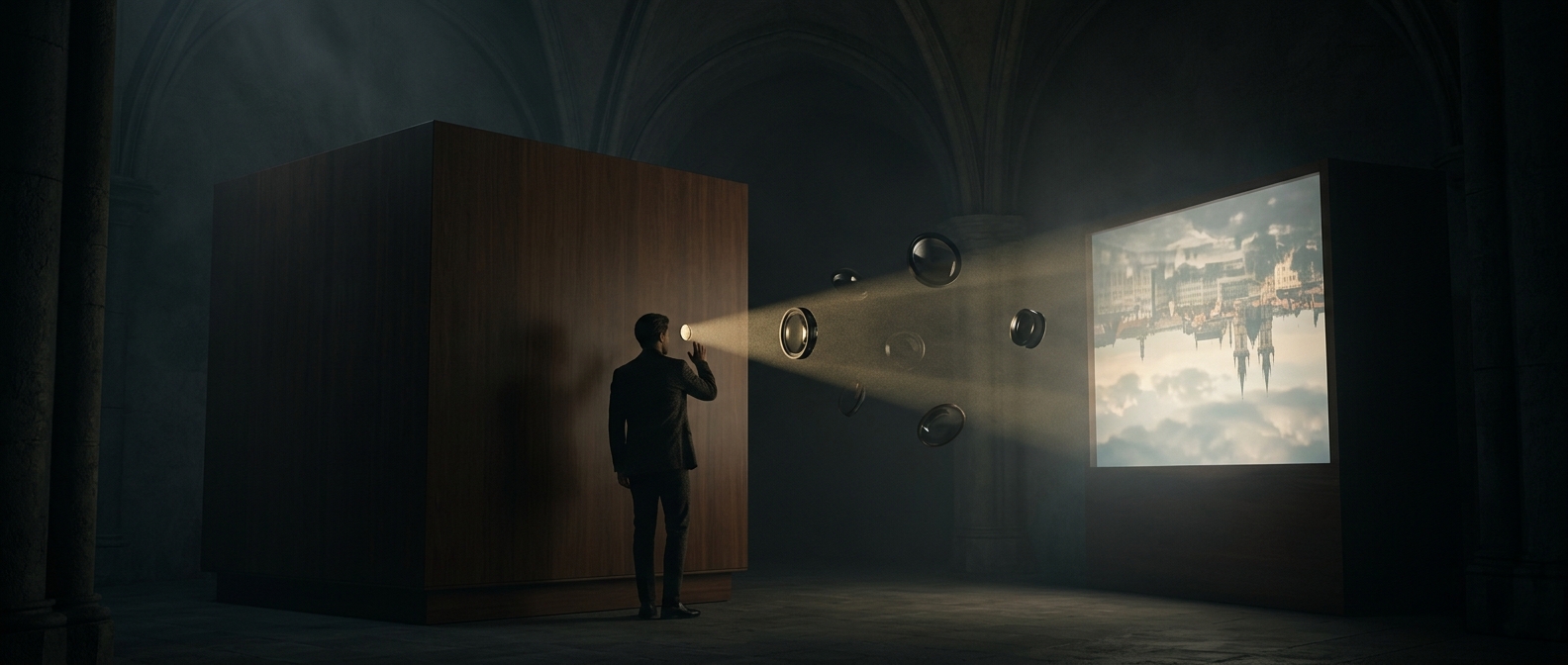
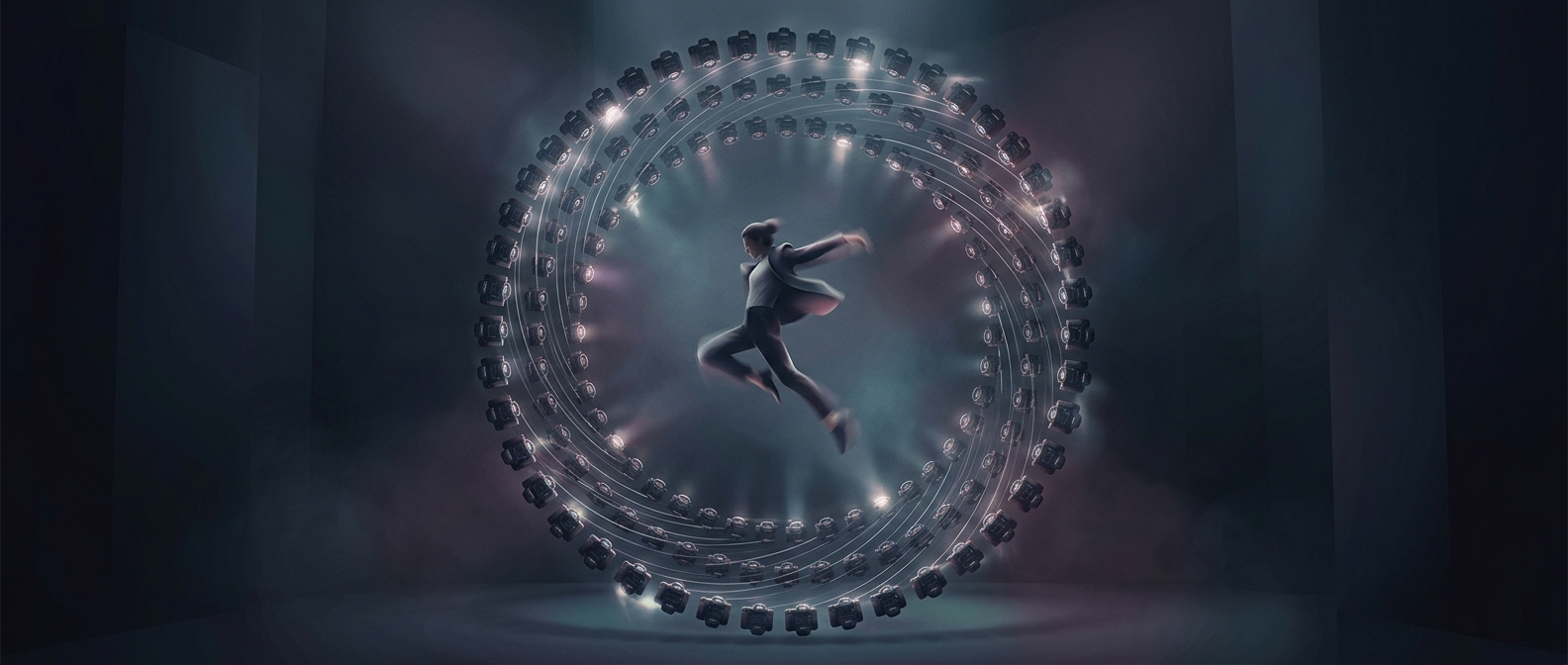
A single photograph flattens a scene onto a two-dimensional surface. Photogrammetry gets around that limitation by using several pictures of the same subject, taken from different positions. A corner, scratch, or other recognizable feature appears in multiple images, but shifts slightly from one image to the next as the camera moves. That shift—called parallax—contains clues about how far away the feature is.
From image points to a 3D shape
The software first identifies visual features it can match across photos. It then estimates where the camera was for each shot and uses the features’ changing positions to calculate points in three-dimensional space. Many such points form a point cloud: a sparse map of locations on the subject’s surface. The software can connect those points into a mesh, a network of small polygons, and use the photos’ colors to create a textured surface.
The result depends on more than the number of pictures. Images need enough overlap for the same details to appear repeatedly, and the subject must offer features the software can recognize. A smooth, reflective object can be difficult: glare changes with the viewing angle, so a bright patch may not be the same physical feature in each image. Movement between shots can also confuse matching.
What the model can—and cannot—show
Photogrammetry infers shape from visual evidence; it does not directly measure every point with a scanner. Hidden surfaces remain unknown unless they are photographed from another angle, and errors in matching or camera estimates can distort the reconstruction. With good coverage, however, an ordinary set of photographs can become a model that can be inspected from viewpoints the camera never captured.