How cameras turn moving dots into a body
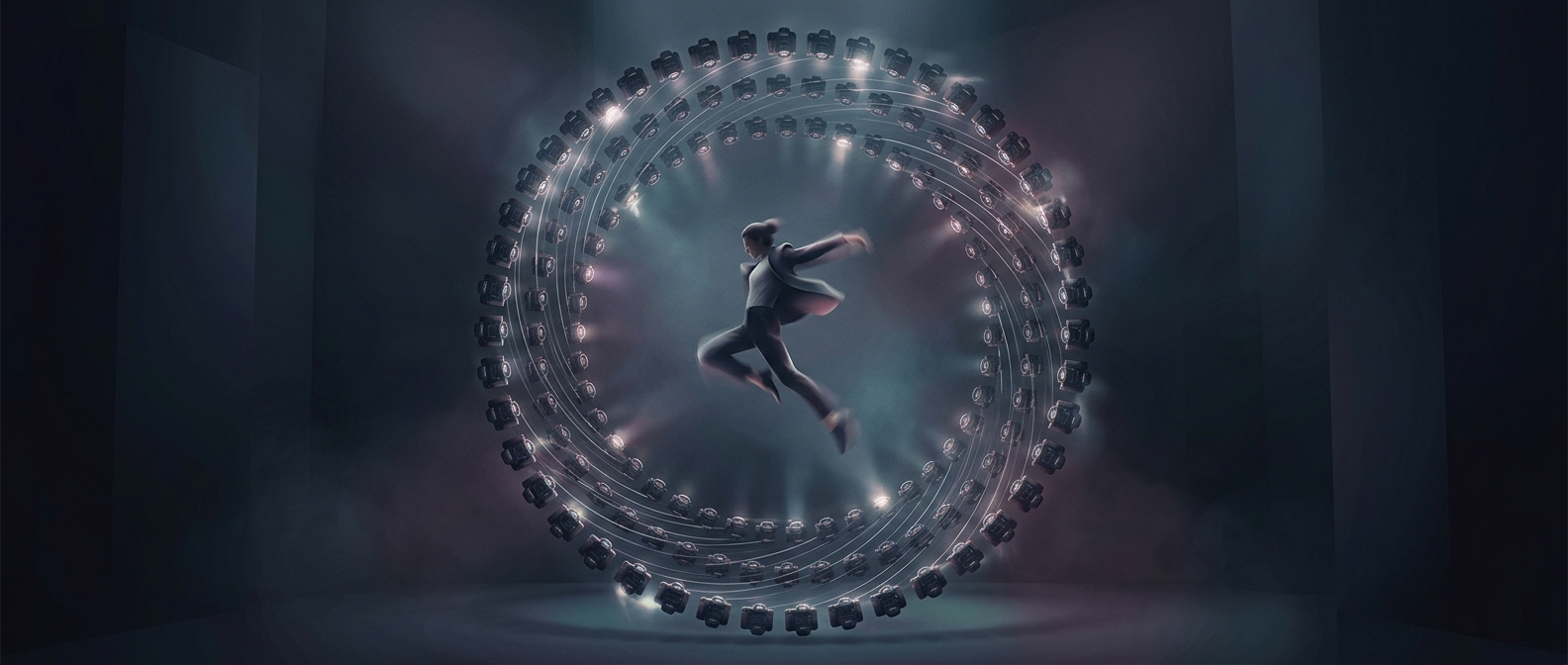
A reflective marker is visible to an infrared camera because it bounces the camera’s light back toward the lens. Several cameras watch the same performance from different angles. Before filming, the system is calibrated so it knows where each camera sits in the space; when multiple cameras see a marker at once, software can use the differing viewpoints to calculate its position in three dimensions. Repeating that calculation frame by frame produces a moving set of points.
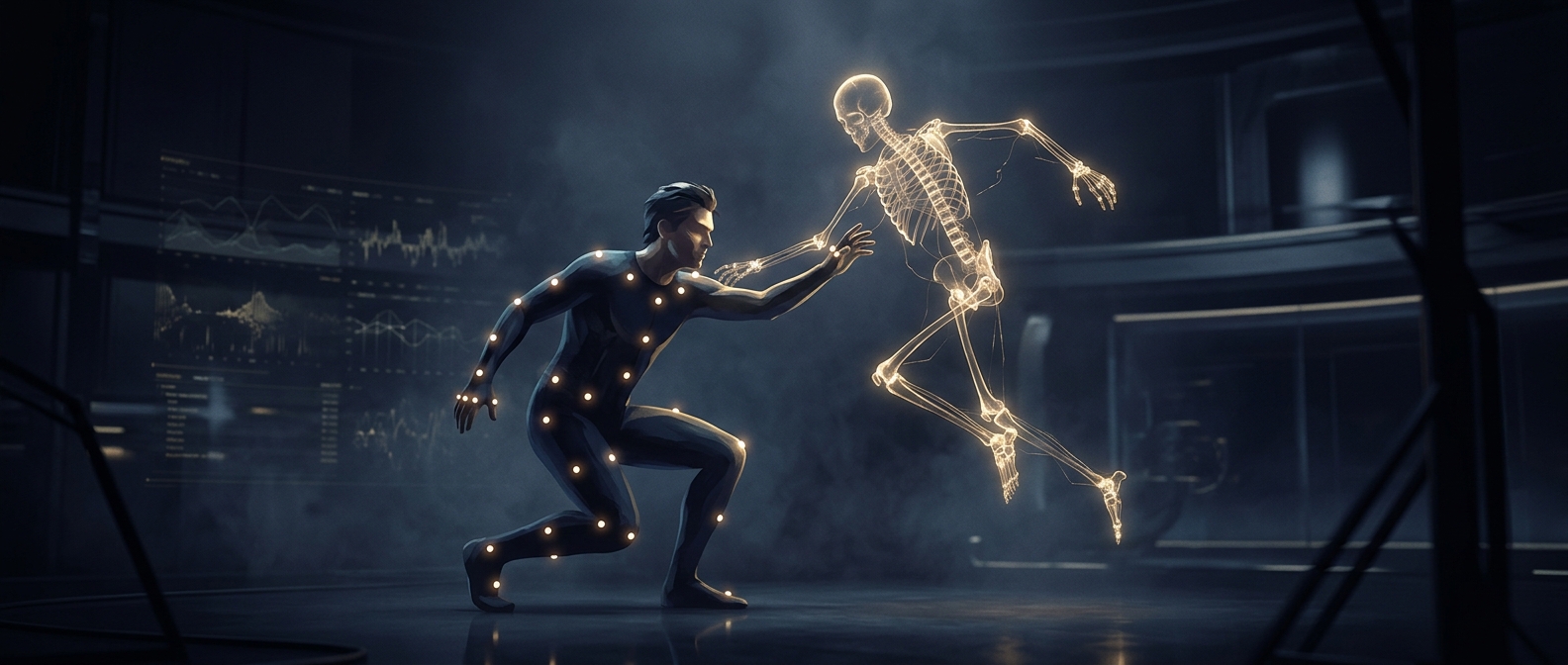
The points are not the skeleton itself. They sit on the suit near useful landmarks, such as the shoulders, elbows, hips, and knees. Software compares their movement with a model of how a human body is arranged, then estimates the underlying joints and how the limbs move. That distinction matters: a marker provides a measured location, while the skeleton is an interpretation built from those measurements.
From performance to digital character
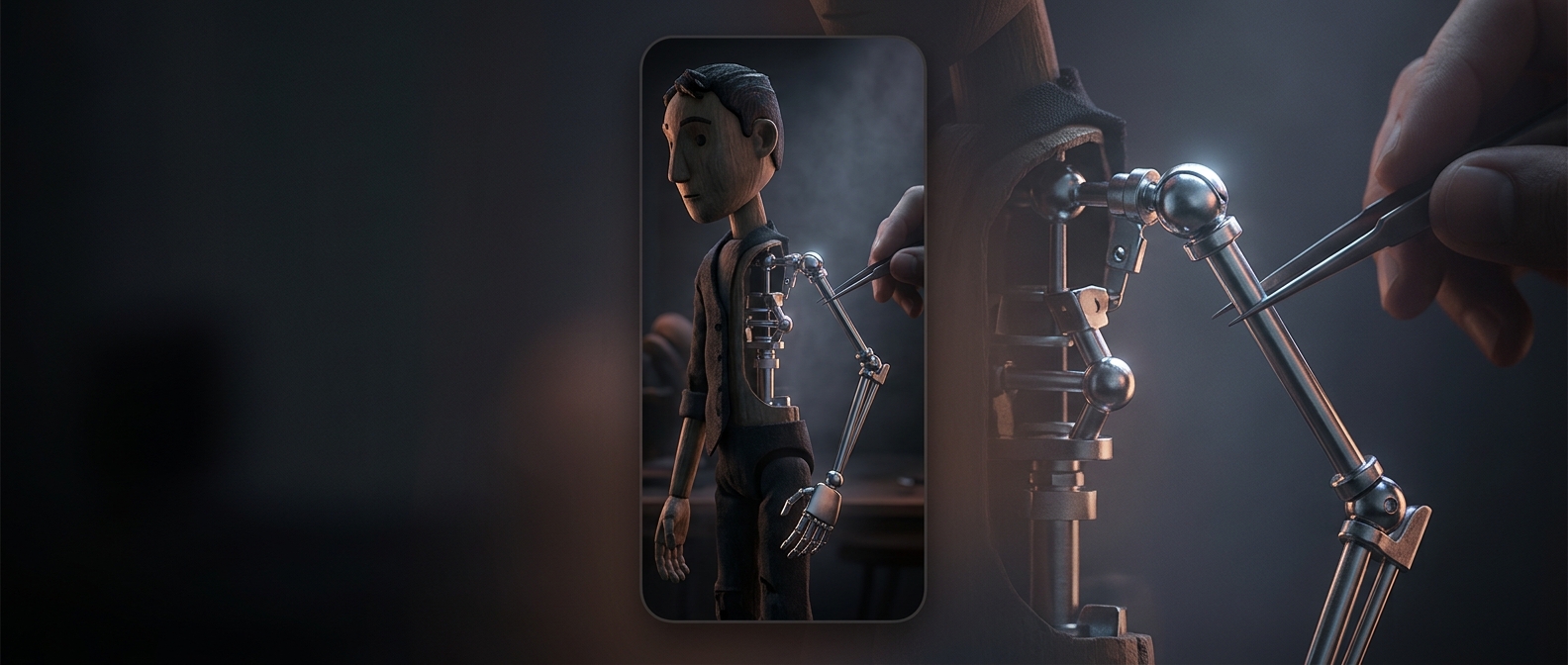
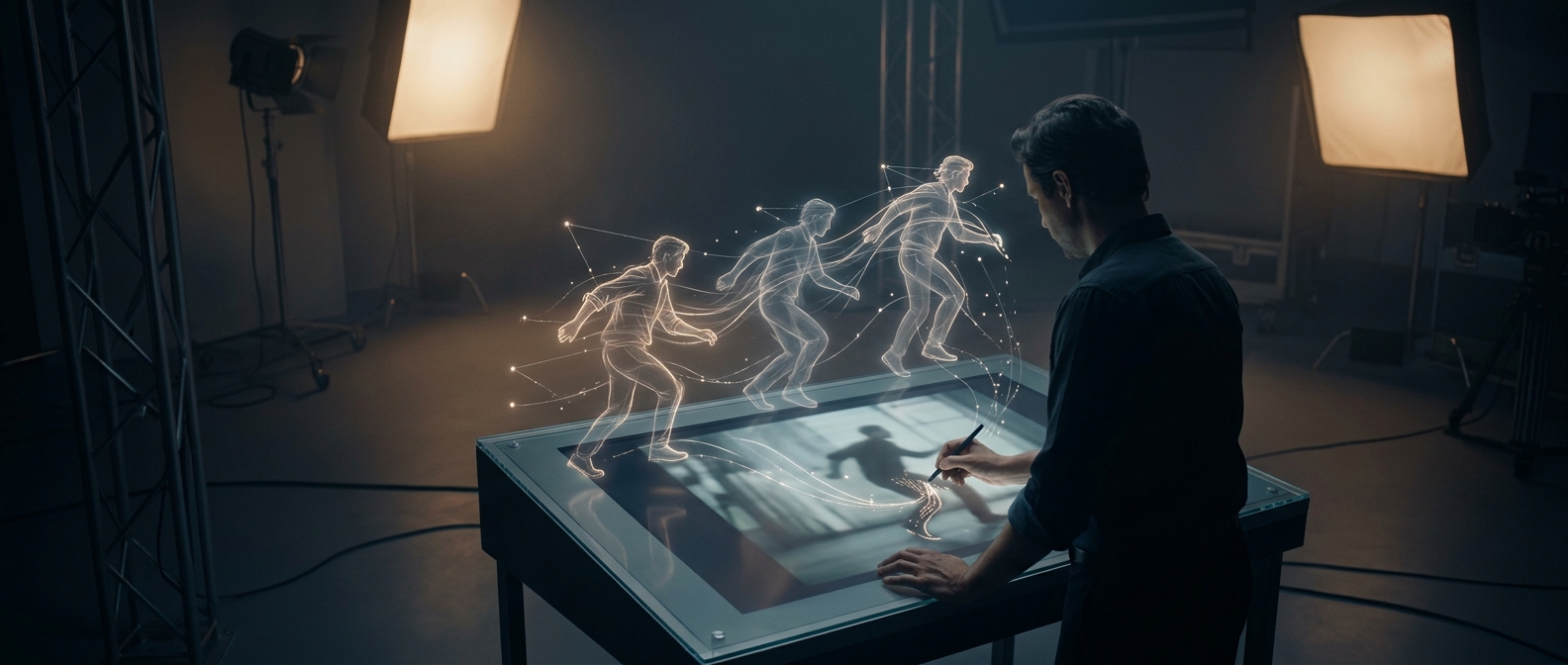
A performer’s motion is usually recorded first as a stream of skeletal movement. Animators can then map, or retarget, that movement onto a different digital body. A human actor’s timing and gestures might drive a character with longer arms or a different build, though adjustments may be needed so the motion fits the new proportions and does not make the character’s limbs collide or stretch unnaturally.
The markers also have limits. If an arm passes behind the torso, cameras may lose sight of some dots; loose clothing or a marker shifting on the suit can complicate the estimate. Multiple camera views help fill in gaps, and technicians or software can correct problems afterward. The system captures movement, but it does not automatically decide what a character’s expression or gesture should mean.
That is why motion capture is best understood as a way to preserve a performer’s physical timing—not as a one-button conversion of an actor into a finished animated character.